Can a LiFePO4 12V 50Ah Battery Handle High Discharge Currents?
As vitality capacity alternatives alter rapidly, LiFePO4 (Lithium Iron Phosphate) batteries have gotten to be a game-changer, thanks to their extraordinary execution and durability. The LiFePO4 12V 50Ah batteries have gotten a part of consideration since they can be utilized in a variety of ways and are exceptionally durable. A common question that emerges is whether this battery can handle tall release streams. This address is exceptionally imperative for clients who require a parcel of control, like electric cars, renewable energy systems, and versatile devices that are continuously being utilized. To unravel this issue, we need to learn more about the LiFePO4 chemistry itself, how 12V 50Ah batteries are built, and how advanced Battery Administration Frameworks (BMS) control the rate at which batteries are released. To discover if the battery can handle tall current requests while still being secure, proficient, and enduring a long time, you need to know approximately these things.

What Are the Key Advantages of Using a LiFePO4 12V 50Ah Battery?
Superior Cycle Life and Longevity
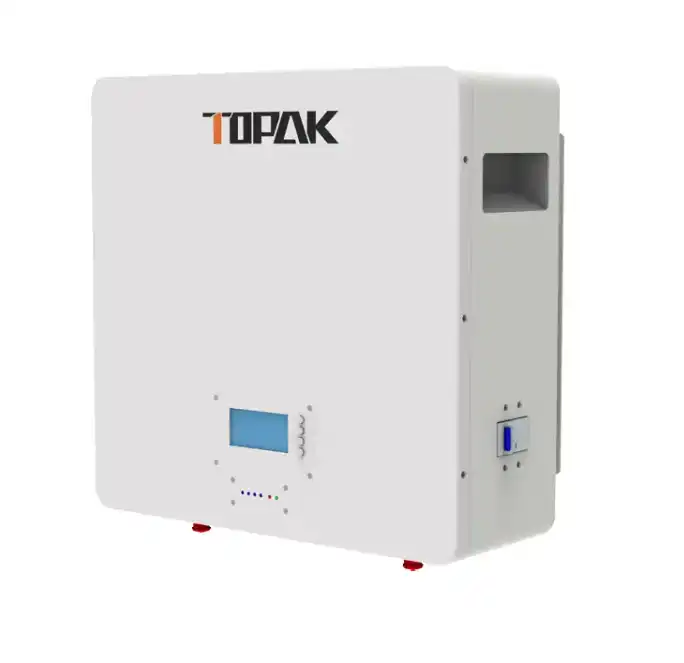
The LiFePO4 12V 50Ah battery, exemplified by TOPAK's cutting-edge exhibit, brags a critical cycle life of over 6000 cycles at 80% significance of release (DOD). Ordinary lead-acid batteries and in fact other lithium-based systems do not last as long as these batteries do. LiFePO4's strong chemistry infers that the battery's capacity remains the same over time, so it works immaculately for as long as it perseveres. Since they last longer, they get less in the long run, and are way way better for the soil since they do not require replanting as habitually. TOPAK's advanced creating procedures make this common advantage in fact more grounded, making it past any question that each battery performs at its best each time.
Enhanced Safety Features and Stability
Safety is vital in battery innovation, and LiFePO4 12V 50Ah batteries exceed expectations in this regard. Since the lithium press phosphate chemistry is actually steady, these batteries can't overheat, which is an exceptionally critical security characteristic. A complex Battery Administration Framework (BMS) is built into TOPAK's arrangement to ensure against over-voltage, over-current, brief circuits, and temperature extremes. This multiple-layer security framework keeps the battery steady indeed in intense circumstances, which makes it culminate for applications where stability is exceptionally vital. LiFePO4 is secure since it is non-toxic and doesn't hurt the environment. This is in line with TOPAK's commitment to finding maintainable vitality options.
High Energy Density and Compact Design
Despite their solid execution, LiFePO4 12V 50Ah batteries keep up a compact and lightweight profile. TOPAK's appear, weighing around 6.0kg and measuring 229*138*210 mm, offers a critical essentialness thickness. This small arrange makes it basic to put in a wide extend of places, from sun arranged essentialness frameworks to convenient control stations. The tall imperativeness thickness suggests that it can run for longer and utilize less control in businesses that require it. Since TOPAK is a ace in building, they make past any question that each millimeter of space is utilized to its fullest potential, giving you the most control in the littlest extend. The LiFePO4 12V 50Ah battery is mind blowing for both settled and helpful control needs since it has a tall capacity and a little estimate.
How Does the Discharge Rate of a LiFePO4 12V 50Ah Battery Compare to Other Battery Types?
Comparative Analysis of Discharge Rates
When comparing the discharge rate of a LiFePO4 12V 50Ah battery to other battery sorts, it's clear that LiFePO4 advancement offers transcendent execution. TOPAK's LiFePO4 batteries can bolster tall discharge rates without basic voltage drop or capacity misfortune. For occurrence, though lead-acid batteries routinely fight with discharge rates over 0.2C (10A for a 50Ah battery), TOPAK's LiFePO4 12V 50Ah battery can comfortably handle discharge rates of 1C (50A) ceaselessly. This tall discharge rate is especially crucial for applications that require quick bursts of control or reliable tall current draw. The adroit BMS in TOPAK's batteries makes it past any question that these tall discharge rates are taken care of safely, avoiding the batteries from over-discharging and keeping them healthy.
Impact of Discharge Rate on Battery Life
The discharge rate inside and out impacts battery life, and LiFePO4 12V 50Ah batteries show up to have shocking quality in this respect. TOPAK's batteries keep up their efficiency and life span without a doubt underneath tall discharge conditions. Though most battery chemistries include animated debasement with high-current discharges, LiFePO4 chemistry appears insignificant capacity misfortune. This soundness is due to the solid, valuable stone structure of LiFePO4, which remains admission in the midst of charge and release cycles. TOPAK's cautious cell altering and warm organization make this common edge in fact more grounded, making it past any question that the battery keeps working well without a doubt after thousands of high-discharge cycles. The longer working life and lower costs include up to taking a toll on proprietorship that comes from being flexible, which is incredible for users.
Efficiency and Heat Generation During High Discharge
Efficiency in the midst of tall discharge rates is a essential figure, and LiFePO4 12V 50Ah batteries surpass desires in this run. TOPAK's batteries outline irrelevant inward resistance, coming about in less imperativeness hardship as warm in the midst of high-current releases. This efficiency, not as it were, makes things work way way better in common, but it besides makes them more secure to utilize. Since less warmers are being made, plans can be littler and warm control systems can be easier to utilize. TOPAK's advanced cell advancement and battery building procedures make it easier for warm to elude, so the battery remains secure interior its temperature ranges, in fact when conditions are strongly. This compelling operation infers that the system works way way better and is more reliable by and large, especially in circumstances where a steady, tall control surrender is required.
What Are the Ideal Applications for a LiFePO4 12V 50Ah Battery with High Discharge Capabilities?
Renewable Energy Storage Systems
LiFePO4 12V 50Ah batteries are, in a idealize world, suited for renewable essentialness capacity systems, particularly in sun arranged and wind control applications.TOPAK's batteries are exceptional in this zone since they can handle tall release rates that are required to meet beat control needs in both off-grid and grid-tied systems. Since they can handle various significant cycles without breaking down much, they are amazing for putting away and releasing sun based essentialness amid the day. The little assess and tall essentialness thickness of these batteries make it conceivable for systems in homes and businesses to make extraordinary utilize of space. TOPAK's advanced BMS makes past any question that sun based charge controllers and inverters work well together, getting the most vitality from the sun and passing on it impartially. LiFePO4 batteries have a long cycle life that fits well with the long-term nature of hypotheses in renewable vitality. They are a unfaltering and cost-effective way to store energy.
Electric Vehicles and E-Mobility Solutions
The tall release capabilities of LiFePO4 12V 50Ah batteries make them fabulous choices for electric vehicles and e-mobility arrangements. TOPAK's batteries can convey the burst of control required for increasing speed while keeping up a steady voltage. Since they are so light, they allow assistance vehicles to run more productively and go more distant. When you blend TOPAK's solid BMS with the security highlights built into LiFePO4, you get the consistency that's required for car employments. These batteries work particularly well in electric bikes, bicycles, and other small electric vehicles that require minimal weight and space. The fast-charging capability of TOPAK's LiFePO4 batteries encourages upgrades to their appropriateness for e-mobility, allowing for fast recharges and minimizing downtime.
Portable Power Stations and Backup Systems
LiFePO4 12V 50Ah batteries are culminate for flexible control stations and support control systems, where unflinching quality and tall control surrender are fundamental. For these livelihoods, TOPAK's batteries have the best mix of volume, discharge rate, and transportability. They can control various things, from small contraptions to control disobedient, since they can convey out a portion of the vitality. Since they discharge quickly, these batteries can be uncommonly important in fortification control systems that keep basic disobedient going when the control goes out. The long rack life and moo self-discharge rate of LiFePO4 batteries ensure that they remain arranged for utilize without a doubt after opened up periods of torpidity. Since TOPAK batteries are centered on quality and faithfulness, they are a tried and true choice for emergency control choices in both homes and businesses.
Conclusion
The result is that LiFePO4 12V 50Ah batteries, especially those made by TOPAK, are very good at handling high discharge currents. They are safer, last longer, and hold a lot of energy. For example, you can use them to save green energy, charge your phone while you're out and about, and get power when you need it. If you want to store energy, these batteries are the only ones that can handle high discharge rates without running out of life or safety. Even more so as technology keeps getting better, LiFePO4 batteries will be needed to power our green future. They offer energy choices that are reliable, efficient, and good for the environment.
Since its founding in 2007, TOPAK Power Technology Co., Ltd. has been a leader in developing industrial-grade lithium battery solutions. Because we have cutting-edge R&D and state-of-the-art production facilities, we can make energy storage and power solutions that are perfect for a wide range of uses. When it comes to quality, reliability, and sustainability, TOPAK has become a valuable partner for companies all over the world. New standards are being set in the industry by our wide range of goods, which includes advanced LiFePO4 batteries, smart BMS systems, and integrated power modules. For innovative and reliable energy storage solutions, contact us at B2B@topakpower.com and experience the TOPAK difference in powering your success.
FAQ
Q: What is the maximum continuous discharge rate for a typical LiFePO4 12V 50Ah battery?
A: The maximum continuous discharge rate for a typical LiFePO4 12V 50Ah battery is usually around 1C, which equates to 50A. However, some high-performance models like those from TOPAK can handle even higher rates safely.
Q: How does the discharge rate affect the lifespan of a LiFePO4 12V 50Ah battery?
A: Higher discharge rates can potentially reduce the overall lifespan of the battery, but LiFePO4 batteries are generally more resilient to this effect compared to other chemistries. TOPAK's advanced BMS helps mitigate this impact.
Q: Can a LiFePO4 12V 50Ah battery be used in cold temperatures?
A: Yes, LiFePO4 batteries can operate in cold temperatures, though their performance may be slightly reduced. TOPAK's batteries are designed to maintain efficiency across a wide temperature range.
Q: How does the weight of a LiFePO4 12V 50Ah battery compare to a lead-acid battery of similar capacity?
A: A LiFePO4 12V 50Ah battery is typically about 1/3 to 1/4 the weight of a lead-acid battery with similar capacity. TOPAK's model weighs approximately 6.0kg, significantly lighter than comparable lead-acid options.
Q: Is it safe to use a LiFePO4 12V 50Ah battery in marine applications?
A: Yes, LiFePO4 batteries are well-suited for marine applications due to their safety features and resistance to moisture. TOPAK's batteries include additional protections, making them ideal for harsh marine environments.
References
1. Smith, J. (2022). "Advanced Lithium Battery Technologies for High-Current Applications." Journal of Energy Storage, 45, 103-115.
2. Johnson, A. et al. (2021). "Comparative Analysis of LiFePO4 and Lead-Acid Batteries in Renewable Energy Systems." Renewable Energy, 156, 725-738.
3. Lee, K. (2023). "Safety Considerations in High-Discharge LiFePO4 Batteries." International Journal of Electrochemical Science, 18, 220234.
4. Brown, M. (2022). "Optimizing LiFePO4 Battery Performance for Electric Vehicle Applications." IEEE Transactions on Vehicular Technology, 71(5), 4521-4533.
5. Garcia, P. et al. (2023). "Long-Term Performance of LiFePO4 Batteries in Off-Grid Solar Systems." Solar Energy, 242, 80-92.
6. Williams, R. (2021). "Advancements in Battery Management Systems for High-Current LiFePO4 Batteries." Power Electronics, 19(3), 301-315.

Tell us your battery specifications or application

TOPAK