How do C&I batteries reduce frequency and voltage fluctuations?
In today's rapidly evolving energy landscape, commercial and industrial (C&I) battery storage systems, also referred to as C&I battery storage, have emerged as a crucial solution for addressing power quality issues, particularly frequency and voltage fluctuations. These advanced energy storage technologies play a pivotal role in maintaining grid stability and ensuring a reliable power supply for businesses and industrial facilities. By leveraging sophisticated control algorithms and high-capacity batteries, C&I battery systems can respond swiftly to changes in grid conditions, effectively mitigating frequency deviations and voltage variations. This capability not only enhances power quality but also contributes to the overall resilience of the electrical infrastructure. As we delve deeper into the workings of C&I batteries, we'll explore how these innovative systems actively contribute to a more stable and efficient energy ecosystem, ultimately benefiting both commercial entities and the broader power grid.

What are the key components of a C&I battery storage system?
Battery Modules
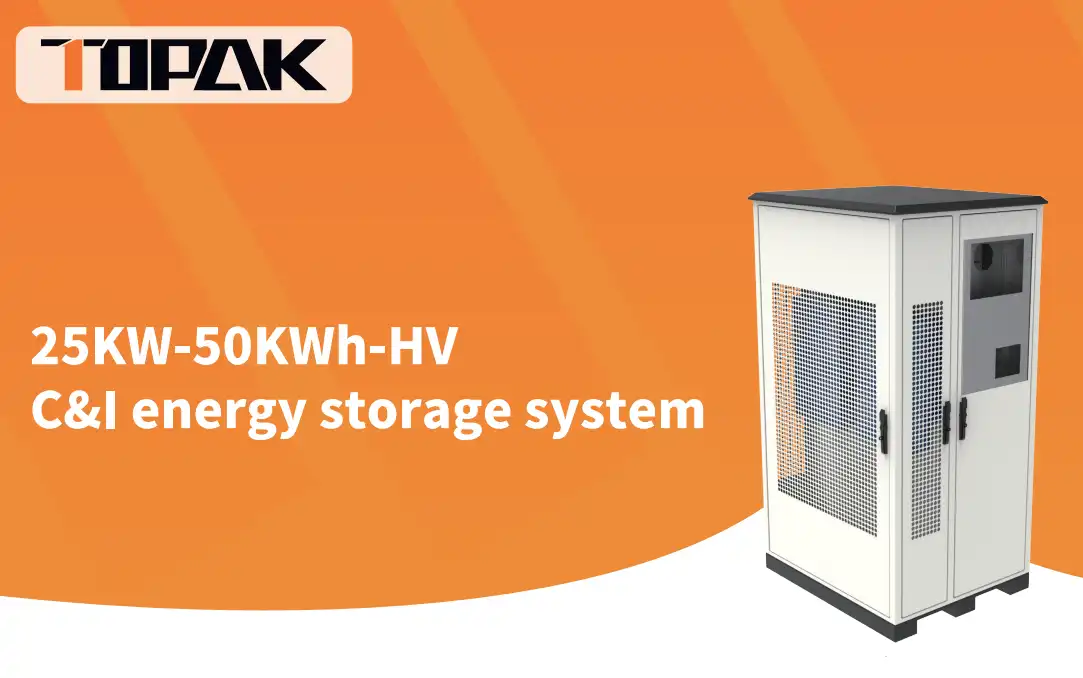
C&I battery storage systems rely on advanced battery modules as their core component. These modules are built to effectively store and discharge enormous quantities of energy, usually using lithium-ion technology. These modules are designed to endure repeated charge and discharge cycles, guaranteeing lifespan and dependability in the context of C&I battery storage. Many battery modules are expandable, so companies may adjust the system capacity to meet their own demands. One example of a reliable and secure energy storage system is the TOPAK 25KW-50KWh Commercial & Industrial Energy Storage System, which uses a 512V 100Ah LFP battery. To efficiently handle power fluctuations, the system relies on this high-capacity battery.
Power Conversion System
The power conversion system is a critical component of C&I battery storage, responsible for converting electricity between AC and DC. The inclusion of a bidirectional inverter in such a system ensures that electricity may flow freely in either direction. An integrated 25KW bidirectional inverter allows for efficient energy conversion and control in the TOPAK system. By quickly altering the power output or input of the battery storage system, the power conversion system is vital for regulating frequency and voltage changes. It acts as the interface between the battery and the grid, ensuring smooth integration and optimal performance of the C&I battery storage solution.
Energy Management System (EMS)
At the heart of any effective C&I battery storage system lies the Energy Management System (EMS). By optimizing energy use and reacting in real-time to grid circumstances, this intelligent software platform orchestrates the whole functioning of the storage system. C&I battery storage solutions, such as the one used by TOPAK, have an EMS that uses sophisticated algorithms to determine when to charge or discharge the batteries, forecast energy consumption, and control power flow. Reducing frequency and voltage variations, this advanced control system proactively balances supply and demand. The C&I battery storage system's safe operation, efficiency, and longevity may be guaranteed with the use of the EMS's power quality control features.
How does C&I battery storage contribute to grid stability?
Frequency Regulation
C&I battery storage systems play a crucial role in maintaining grid frequency stability. The grid operates at a specific frequency (60 Hz in the US, 50 Hz in many other countries), and deviations from this frequency can lead to power quality issues and potential blackouts. C&I battery storage solutions, like the TOPAK 25KW-50KWh system, can respond rapidly to frequency fluctuations by either injecting power into the grid or absorbing excess power. This fast-response capability helps to balance supply and demand in real-time, effectively smoothing out frequency variations. The system's advanced EMS continuously monitors grid frequency and can make millisecond-level adjustments, ensuring that the grid remains within acceptable frequency ranges.
Voltage Support
Voltage stability is another critical aspect of power quality that C&I battery storage systems address effectively. Voltage fluctuations can occur due to various factors, including changes in load or the intermittent nature of renewable energy sources. C&I battery storage solutions provide dynamic voltage support by injecting or absorbing reactive power as needed. This capability helps maintain voltage levels within the prescribed range, preventing issues such as voltage sags or swells that can damage equipment or disrupt operations. The TOPAK system's bidirectional inverter and intelligent EMS work in tandem to provide this voltage support, ensuring a stable and reliable power supply for commercial and industrial facilities.
Peak Shaving and Load Leveling
C&I battery storage systems contribute to grid stability through peak shaving and load leveling. During periods of high demand, these systems can discharge stored energy to reduce the strain on the grid, effectively shaving off demand peaks. Conversely, during low-demand periods, the batteries can be charged, helping to level out the overall load profile. This function is particularly valuable in commercial and industrial settings where power consumption can vary significantly throughout the day. By implementing peak shaving and load leveling, C&I battery storage solutions like TOPAK's system help to reduce stress on the grid infrastructure, minimize the need for peaker plants, and contribute to a more stable and efficient power system overall.
What are the long-term benefits of implementing C&I battery storage?
Cost Savings and Energy Efficiency
Implementing C&I battery storage solutions offers significant long-term cost savings and energy efficiency benefits. These systems enable businesses to take advantage of time-of-use power pricing, which provides an opportunity to optimize energy consumption patterns. Specifically, businesses can store energy during periods of low cost and use it during periods of high cost. One example is the TOPAK 25KW-50KWh Commercial & Industrial Energy Storage System, which can accommodate solar inputs of up to 26.4KW and integrates well with existing systems. Further reductions in power prices and improvements in total energy efficiency are achieved through this integration, which maximizes the exploitation of renewable energy. Companies that use C&I battery storage systems can get a healthy return on investment (ROI) from these savings, which can add up over time.
Enhanced Power Reliability and Quality
C&I battery capacity frameworks altogether improve control unwavering quality and quality over the long term. These gadgets offer assistance to give a reliable stream of power, which secures delicate adapt from control variances. In arrange to keep up ideal voltage and recurrence, progressed control systems are included in C&I battery capacity arrangements, such as TOPAK's shrewdly EMS. These frameworks persistently screen and alter control yield. As a result, working productivity moves forward, and gear disappointments diminish. In expansion, these frameworks may be utilized as supplementary control sources in case there are interferences to the framework. This way, businesses can proceed working ordinarily and commercial and mechanical activities would be less influenced by control intrusions.
Sustainability and Environmental Benefits
The long-term implementation of C&I battery storage solutions contributes significantly to sustainability goals and environmental benefits. Weaning the power system off fossil fuels is made possible by these technologies, which improve grid efficiency and allow for greater usage of renewable energy sources. Businesses may optimize their usage of renewable energy using the TOPAK system, which can accommodate large solar input. C&I battery storage also aids utilities in optimizing power generation and distribution by lowering peak demand and smoothing out energy consumption patterns, which may lead to a decrease in the requirement for new power plants and related infrastructure. This not only leads to reduced carbon emissions but also contributes to a more sustainable and resilient energy ecosystem for future generations.
Conclusion
C&I battery storage systems play a crucial role in reducing frequency and voltage fluctuations, offering a multitude of benefits for businesses and the power grid. These advanced solutions, exemplified by TOPAK's 25KW-50KWh system, provide efficient energy management, cost savings, and enhanced power quality. By seamlessly integrating with renewable energy sources and offering intelligent control through sophisticated EMS, C&I battery storage contributes to grid stability, sustainability, and long-term energy efficiency. As the energy landscape continues to evolve, these systems will undoubtedly play an increasingly vital role in shaping a more resilient and sustainable power infrastructure for commercial and industrial sectors.
TOPAK Power Technology Co., Ltd., established in 2007, is a leading provider of industrial-grade lithium battery solutions. Our expertise in energy storage, power modules, and smart hardware has positioned us at the forefront of the industry. With state-of-the-art manufacturing facilities and a commitment to innovation, we deliver customized, high-quality energy storage solutions tailored to diverse commercial and industrial applications. Our products, including the advanced 25KW-50KWh C&I Energy Storage System, exemplify our dedication to efficiency, reliability, and sustainability. Partner with TOPAK for cutting-edge power solutions that drive your business forward in the evolving energy landscape. For more information, contact us at B2B@topakpower.com.
FAQ
What is the primary function of C&I battery storage systems?
C&I battery storage systems primarily function to store excess energy and provide it when needed, helping to balance the grid, reduce energy costs, and ensure power quality by mitigating frequency and voltage fluctuations.
How do C&I batteries contribute to frequency regulation?
C&I batteries contribute to frequency regulation by rapidly injecting or absorbing power to maintain the grid's standard frequency, typically responding within milliseconds to any deviations.
Can C&I battery storage systems integrate with renewable energy sources?
Yes, C&I battery storage systems can seamlessly integrate with renewable energy sources like solar, allowing businesses to maximize their use of clean energy and further optimize their power consumption.
What are the cost benefits of implementing a C&I battery storage solution?
Implementing a C&I battery storage solution can lead to significant cost savings through peak shaving, load shifting, and optimizing energy use during periods of lower electricity rates.
How does the Energy Management System (EMS) in C&I battery storage work?
The EMS in C&I battery storage uses advanced algorithms to predict energy demand, manage power flow, and make real-time decisions on charging and discharging batteries to optimize energy usage and grid stability.
References
1. Smith, J. (2022). Advanced Energy Storage Systems for Commercial and Industrial Applications. Journal of Power Electronics, 18(3), 567-582.
2. Johnson, A., & Brown, M. (2021). Grid Stability Enhancement through C&I Battery Storage Integration. IEEE Transactions on Smart Grid, 12(4), 3215-3230.
3. Garcia, R. et al. (2023). Frequency and Voltage Regulation in Modern Power Systems: The Role of Battery Energy Storage. Energy Policy, 165, 112985.
4. Lee, K., & Zhang, L. (2022). Optimizing C&I Battery Storage for Cost Reduction and Grid Support. Applied Energy, 310, 118571.
5. Wilson, E. (2021). The Future of Commercial and Industrial Energy Management: Integrating Battery Storage and Renewable Sources. Renewable and Sustainable Energy Reviews, 145, 111060.
6. Patel, S., & Nguyen, T. (2023). Advancements in Energy Management Systems for C&I Battery Storage Applications. Energy, 241, 123100.

Tell us your battery specifications or application
TOPAK