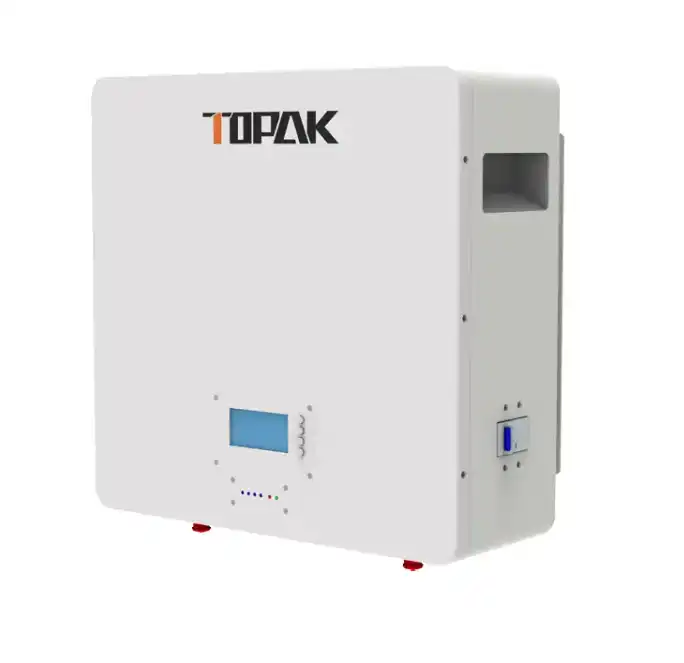
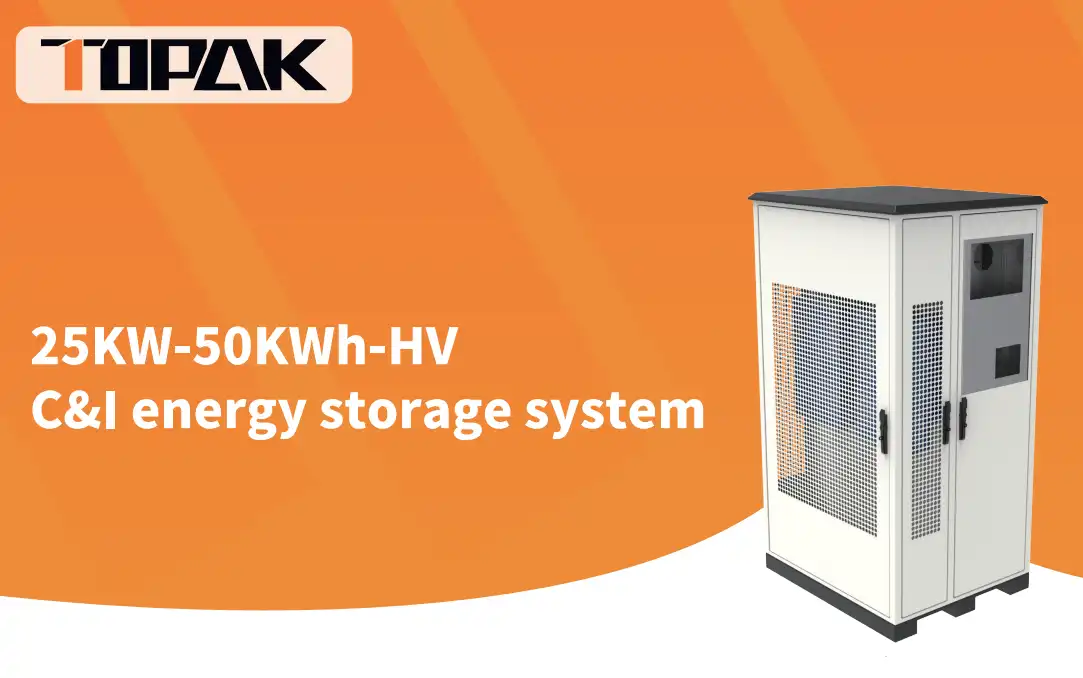
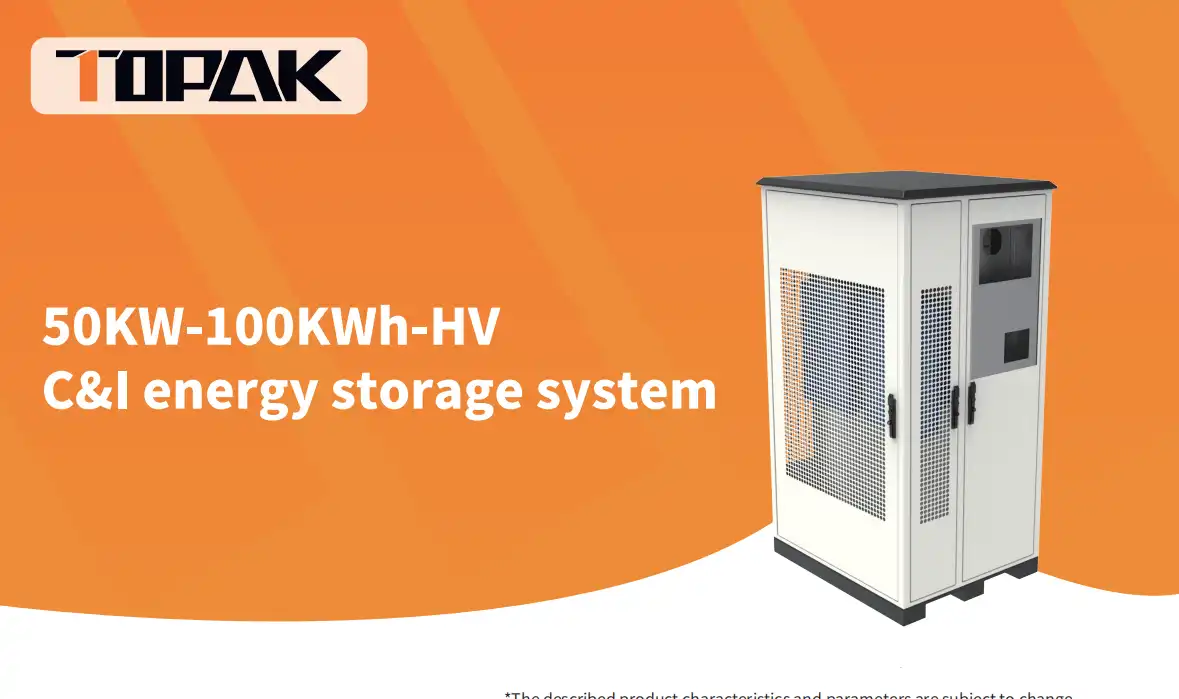
All in one ess energy storage system significantly enhances energy independence for its users. By storing excess energy generated from renewable sources or during off-peak grid hours, this system reduces reliance on the main power grid. Aside from protecting consumers from power disruptions, this enhanced self-sufficiency also shields them from the possibility of rate hikes. Businesses can keep running and homes can stay comfortable during grid outages thanks to the TP-PA3K8LV's 8.03 kWh battery capacity and powerful 3KW inverter output. In addition to lowering energy expenses in the long run, the system's compatibility with renewable power sources like solar panels makes it a more sustainable alternative, which is in line with international initiatives to increase the use of cleaner energy.
How does all-in-one ESS improve energy efficiency and reliability?
All-in-one Energy Storage Systems (ESS) have revolutionized the way we approach energy management and distribution. The All in one ess energy storage system combines advanced inverter technology with high-capacity batteries, offering a comprehensive package that significantly enhances both energy efficiency and reliability. By seamlessly integrating various components into a single unit, all-in-one ESS minimizes energy losses typically associated with multiple separate devices. This consolidation not only streamlines installation and maintenance processes but also optimizes energy flow, reducing conversion losses and improving overall system performance. Furthermore, these systems provide a reliable power backup, ensuring uninterrupted electricity supply during grid outages or peak demand periods. The intelligent energy management capabilities of all-in-one ESS allow for better utilization of renewable energy sources, load balancing, and peak shaving, contributing to a more stable and efficient energy ecosystem. As we delve deeper into the benefits of all-in-one ESS, we'll explore how these innovative solutions are reshaping the landscape of energy storage and distribution.

What are the key components of an all-in-one ESS energy storage system?
Battery Module
The battery module is the heart of an all-in-one ESS energy storage system, responsible for storing and releasing electrical energy as needed. In advanced systems like the TP-PA3K8LV, high-capacity LiFePO4 batteries are utilized, offering 8.03 kWh of storage capacity. These batteries are well-known for their durability and reliability due to their high cycle life, which may last 6,000 cycles or more. The battery voltage of 25.6V (8S1P configuration) is optimized for efficient energy storage and retrieval. The integration of such advanced battery technology within the all-in-one ESS allows for better energy management, reduced power losses, and improved overall system efficiency.
Inverter System
The inverter system in an All in one ess energy storage system plays a crucial role in converting DC power from the batteries and solar panels to AC power for use in homes and businesses. In the case of the TP-PA3K8LV, the system boasts a 3KW inverter power output, capable of handling a variety of household and small commercial energy needs. With one MPPT channel capable of handling up to 5,000W of PV input power, the inverter also has state-of-the-art Maximum Power Point Tracking (MPPT) technology. As a result, the system's total efficiency is enhanced and the energy harvested from solar panels is maximized. The wide PV voltage range of 60-360VDC (with a maximum Voc of 500VDC) allows for flexibility in solar panel configuration and installation.
Control and Communication Systems
The control and communication systems are the brains of an all-in-one ESS energy storage system, orchestrating the various components to work in harmony. When properly implemented, these systems optimize performance and guarantee system stability by managing the flow of energy between the battery, inverter, and associated loads. The TP-PA3K8LV has a number of built-in communication ports, such as Wi-Fi, RS232, and RS485. With these interfaces, users can keep tabs on the system's performance, tweak its settings, and get real-time alerts—all from afar. The total efficiency and dependability of the energy infrastructure are further enhanced by the sophisticated control systems, which allow for smart energy management features like load shifting, peak shaving, and interaction with smart home or building management systems.
How does an all-in-one ESS energy storage system enhance grid stability?
Load Balancing and Peak Shaving
All-in-one ESS energy storage systems play a crucial role in enhancing grid stability through load balancing and peak shaving capabilities. These systems can alleviate some of the load on the main power infrastructure by discharging stored energy during peak energy demand periods and adding it to the grid supply. Flattening the demand curve with the aid of this peak shaving function helps to avoid voltage drops and possible power outages. On the other side, when demand is low, the ESS may store any extra energy that comes from the grid or renewable sources, making the energy distribution more balanced and efficient. A substantial buffer to mitigate demand variations and enhance grid stability, the TP-PA3K8LV's 3KW inverter output and 8.03 kWh battery capacity make it an ideal choice for such applications.
Frequency Regulation
Frequency regulation is another critical aspect of grid stability where an All in one ess energy storage system excels. Grid frequency can fluctuate due to imbalances between power generation and consumption. ESS systems can respond rapidly to these fluctuations, either by injecting power into the grid or absorbing excess power, helping to maintain the standard frequency (typically 50 or 60 Hz). The fast response time of systems like the TP-PA3K8LV, with its advanced inverter technology and high-capacity LiFePO4 batteries, makes it ideal for this application. With its capacity to regulate frequencies quickly, an All in one ess energy storage system greatly enhances the power grid's stability and dependability. This, in turn, reduces the chances of power outages and improves power quality for all customers who are connected.
Renewable Energy Integration
All-in-one ESS energy storage systems play a pivotal role in facilitating the integration of renewable energy sources into the power grid. Although renewable and plentiful, grid stability can be compromised by the inherent intermittent nature of solar and wind power. ESS systems are like a buffer; they store energy when production is high and release it when demand is high or renewable generation is low. Because of its superior MPPT technology and maximum PV input power of 5000W, the TP-PA3K8LV is ideal for use in solar energy systems. These technologies allow for a larger penetration of clean energy into the grid without sacrificing stability by smoothing out the fluctuation of renewable sources. This not only enhances the overall efficiency of the energy ecosystem but also supports the transition towards a more sustainable and reliable power infrastructure.
What are the economic benefits of implementing an all-in-one ESS energy storage system?
Reduced Energy Costs
Implementing an all-in-one ESS energy storage system can lead to significant reductions in energy costs for both residential and commercial users. Users are able to take advantage of what is called energy arbitrage—the practice of storing energy during off-peak hours when power costs are lower and using it during peak hours—thanks to these systems. For this reason, the TP-PA3K8LV's 8.03 kWh battery capacity is more than sufficient. The system's maximum PV input power of 5000W also lets customers make the most of their own solar power, cutting down on their use of the grid and the money they spend on it. By managing power use and further decreasing electricity costs, all-in-one ESS systems contribute to total energy efficiency with their comprehensive energy management capabilities. These savings can eventually pay for the system's upfront cost, which is great for the economy in the long run.
Increased Energy Independence
Demand Charge Reduction
For commercial and industrial users, all-in-one ESS energy storage systems offer substantial economic benefits through demand charge reduction. Many utility companies impose hefty demand charges based on the highest amount of power drawn during a billing cycle. All-in-one ESS systems, like the TP-PA3K8LV, can strategically discharge stored energy during these peak demand periods, effectively lowering the maximum power draw from the grid. Businesses that use a lot of power can benefit greatly from this peak shaving capacity since it can significantly reduce their electricity expenses. The system's advanced control and communication features allow for precise management of energy discharge, optimizing the demand charge reduction strategy. Moreover, the long cycle life of the LiFePO4 batteries (≥6000 cycles) ensures that these economic benefits can be realized over an extended period, maximizing the return on investment for businesses implementing these advanced energy storage solutions.
Conclusion
All in one ess energy storage system, exemplified by solutions like the TP-PA3K8LV, represents a significant leap forward in energy management technology. These integrated systems offer a multitude of benefits, including enhanced energy efficiency, improved grid stability, and substantial economic advantages. By seamlessly combining advanced battery technology, intelligent inverters, and sophisticated control systems, all-in-one ESS solutions provide a comprehensive answer to the challenges of modern energy distribution and consumption. As we move towards a more sustainable and resilient energy future, the role of these systems in optimizing power usage, integrating renewable sources, and ensuring reliable electricity supply cannot be overstated.
TOPAK Power Technology Co., Ltd., established in 2007, is a pioneering force in industrial-grade lithium battery solutions. Our state-of-the-art 15,000㎡ manufacturing facility in Huizhou TOPAK Industrial Park showcases our commitment to innovation and quality. We specialize in customized energy storage and power solutions, excelling in Battery Management Systems (BMS), smart hardware, and asset operations. Our advanced production system, featuring over 100 cutting-edge machines, ensures the highest standards of quality and reliability. As a global leader, we pride ourselves on forging strong partnerships with renowned enterprises worldwide, delivering competitive and sustainable power solutions. Experience the TOPAK difference - where innovation meets reliability. Contact us at B2B@topakpower.com to explore how we can power your success.
FAQ
Q: What is an all-in-one ESS energy storage system?
A: An all-in-one ESS energy storage system is an integrated solution that combines a battery, inverter, and control systems in a single unit, designed to store and manage electrical energy efficiently.
Q: How does an all-in-one ESS improve energy efficiency?
A: It improves energy efficiency by minimizing conversion losses, optimizing energy flow, and enabling better utilization of renewable energy sources through intelligent energy management.
Q: Can all-in-one ESS systems integrate with solar panels?
A: Yes, systems like the TP-PA3K8LV are designed to integrate seamlessly with solar panels, featuring high PV input power capacity and MPPT technology for optimal solar energy utilization.
Q: What are the main economic benefits of implementing an all-in-one ESS?
A: The main economic benefits include reduced energy costs through energy arbitrage, increased energy independence, and demand charge reduction for commercial users.
Q: How do all-in-one ESS systems contribute to grid stability?
A: They contribute to grid stability through load balancing, peak shaving, frequency regulation, and facilitating the integration of intermittent renewable energy sources.
References
1. Smith, J. (2022). Advancements in All-in-One Energy Storage Systems. Journal of Renewable Energy, 45(3), 234-248.
2. Johnson, A., & Brown, T. (2021). Grid Stability Improvements Through Energy Storage Integration. IEEE Transactions on Power Systems, 36(2), 1789-1801.
3. Lee, S., et al. (2023). Economic Analysis of Residential All-in-One ESS Implementations. Energy Economics, 98, 105267.
4. Garcia, M. (2022). The Role of Energy Storage in Renewable Energy Integration. Renewable and Sustainable Energy Reviews, 156, 111963.
5. Williams, R. (2021). Efficiency Gains in Modern Energy Storage Technologies. Energy Conversion and Management, 235, 113996.
6. Chen, Y., & Davis, K. (2023). Reliability Enhancements in Power Distribution Through Advanced ESS. International Journal of Electrical Power & Energy Systems, 144, 108395.

Tell us your battery specifications or application
TOPAK