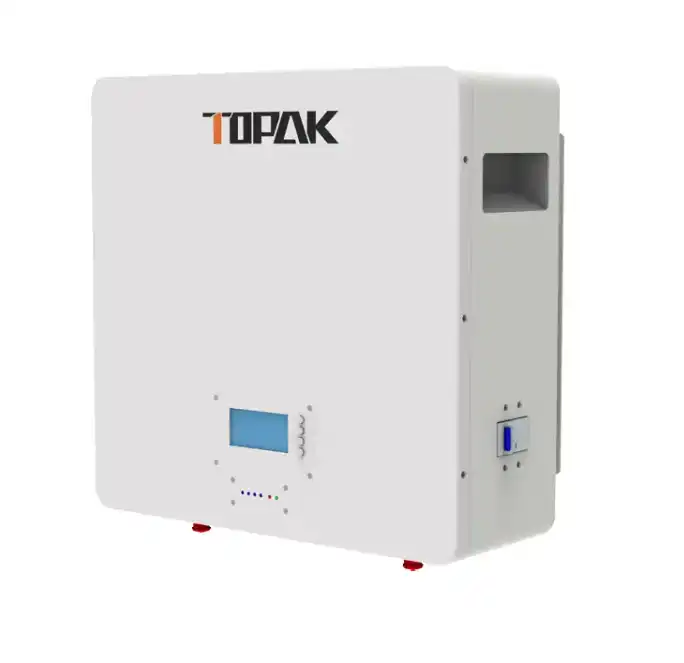
Integrating Vertical Energy Storage System into existing urban buildings presents a compelling solution for addressing the growing energy demands of cities while optimizing space utilization. By leveraging advanced technologies like the TP-48280V 51.2V 280Ah Vertical Energy Storage Battery, building owners can enhance energy efficiency, support renewable integration, and contribute to grid stability. While challenges exist in terms of structural considerations, space optimization, and maintenance, these can be overcome through careful planning and innovative design approaches. As urban areas continue to evolve, Vertical Energy Storage System integration will play an increasingly crucial role in creating sustainable, resilient, and energy-efficient cities of the future.
How to integrate vertical BESS into existing urban buildings?
Integrating Vertical Energy Storage System into existing urban buildings is becoming an increasingly popular solution to address the growing energy demands of cities while optimizing space utilization. As urban areas continue to densify, the need for efficient and compact energy storage solutions has never been more crucial. Vertical Energy Storage System offers an innovative approach to this challenge, allowing for the installation of high-capacity energy storage systems within the limited footprint of urban structures. This integration not only enhances the energy efficiency of buildings but also contributes to the overall resilience and sustainability of urban power grids. By leveraging unused vertical spaces, such as elevator shafts or narrow alleys between buildings, Vertical Energy Storage System installations can provide significant energy storage capacity without compromising valuable floor space. This article will explore the various aspects of integrating Vertical Energy Storage System into existing urban buildings, including the technical considerations, benefits, and potential challenges faced during implementation.

What are the key design considerations for integrating vertical BESS in urban buildings?
Structural assessment and reinforcement
When integrating a Vertical Energy Storage System into an existing urban building, one of the primary considerations is the structural integrity of the building. Engineers need to carefully check the building's load-bearing ability to make sure it can handle the extra weight of the BESS. This could mean making support systems for special buildings or strengthening structures that are already there. For example, the TP-48280V 51.2V 280Ah Vertical Energy Storage Battery weighs about 180 kg by itself. When several units are placed, the total weight can be quite heavy. Changes to the structure could include making the floors or walls stronger or building support frames. A sound study should also be done to see if there are any issues that could affect the building's stability while it's being used.
Space optimization and modular design
Maximizing space efficiency is crucial when integrating Vertical Energy Storage Systems into urban buildings. Systems like the TP-48280V can be configured and scaled up or down easily because they are made up of separate modules. These units are 550 mm long, 420 mm wide, and 650 mm high. They can be stacked or put together in different ways to fit any area. Designers should think about giving the BESS its own spaces, like reusing vertical shafts that aren't being used or building new shelters on roofs or in basements. The modular method also makes it easier to add on in the future, so building owners can gradually add more store space as their needs change. When planning the layout, it's important to make sure that the battery units can be easily accessed for upkeep and possible replacement.
Thermal management and safety systems
Effective thermal management is critical for the safe and efficient operation of Vertical Energy Storage Systems in urban buildings. Like many lithium-ion battery systems, the TP-48280V system needs to be carefully monitored for temperature to keep working at its best and last as long as possible. Adding the right cooling systems, like forced air or liquid cooling, is important to keep the battery from burning and to make sure it lasts for 6000+ cycles at 80% depth of discharge. Safety systems, such as fire control, gas detection, and emergency shut-down devices, need to be built in. The current fire safety systems in the building should be linked to these systems. Additionally, proper ventilation is crucial to manage any potential off-gassing and maintain a safe environment. The design should also include containment measures to prevent the spread of fire or hazardous materials in the unlikely event of a battery failure.
How can vertical BESS improve energy efficiency in urban buildings?
Peak shaving and load shifting
Through peak shaving and load moving, Vertical Energy Storage Systems are very important for making buildings in cities more energy efficient. With its 14.33 kWh theoretical energy capacity, the TP-48280V 51.2V 280Ah system can store extra energy for times when power rates are lower, like when the sun isn't shining. This saved energy can then be used during times of high demand, which makes the building less reliant on the grid during times when it costs the most. This approach can help building owners lower their energy bills by a large amount and ease the load on the local power grid. The suggested discharge current for this system is 170 A, which lets power get to important building systems quickly during these peak times without affecting their performance.
Integration with renewable energy sources
Vertical Energy Storage Systems enhance the efficiency and reliability of renewable energy sources in urban buildings. When paired with solar panels or other renewable generators, the TP-48280V system can store excess energy produced during optimal conditions for use during periods of low generation or high demand. Green sources are better for a steady energy supply because this mix smooths out the fact that they aren't always on. The system has advanced link options, like CAN/RS485 interfaces and Bluetooth or 4G units that can be added as needed. These make it easy to connect to smart building management systems and green energy controls. For better energy flow between green sources, storage systems, and building loads, this makes it possible. This lets the building use more clean energy and depend less on the grid.
Demand response and grid support
Vertical Energy Storage Systems let buildings in cities take part in demand response programs and help the power grid in useful ways. It is easy for the TP-48280V system to react quickly to grid signals and change how much energy a building uses in real time because it has a high energy density. During times of grid stress, the system can quickly release saved energy to lower the building's grid draw. This helps keep the grid stable generally. Conversely, during periods of excess grid capacity, the system can charge, effectively acting as a flexible load. This bidirectional capability not only improves building energy efficiency but also creates potential revenue streams through participation in grid services markets. The system's long cycle life of ≥6000 cycles ensures that it can reliably perform these functions over an extended period, maximizing the return on investment for building owners.
What are the challenges and solutions for maintaining vertical BESS in urban environments?
Access and space constraints
Maintaining Vertical Energy Storage Systems in urban environments presents unique challenges due to access and space constraints. The compact design of systems like the TP-48280V 51.2V 280Ah helps mitigate some of these issues, but careful planning is still required. To address these challenges, designers should incorporate dedicated service corridors and access points during the initial integration. Modular components, such as the individual battery modules, should be designed for easy removal and replacement without the need for extensive disassembly of the entire system. In buildings with limited elevator capacity, considerations for alternative methods of transporting equipment, such as specialized hoisting systems, may be necessary. Regular maintenance schedules should be optimized to minimize disruption to building occupants, potentially utilizing off-hours for major service operations.
Monitoring and predictive maintenance
Effective monitoring and predictive maintenance are crucial for ensuring the longevity and performance of Vertical Energy Storage Systems in urban buildings. The TP-48280V system's advanced communication capabilities, including CAN/RS485 interfaces and optional Bluetooth or 4G modules, facilitate real-time monitoring of battery health and performance metrics. Using a full Battery Management System (BMS) lets you keep an eye on important factors like temperature, cycle count, and the state of charge. Machine learning techniques can be used to look at this data and predict problems before they happen. This allows for proactive upkeep and less downtime. Remote tracking cuts down on the number of on-site checks that need to be done, which is especially helpful in cities where room is limited. Additionally, over-the-air firmware updates can be utilized to enhance system performance and security without physical access.
Safety protocols and emergency response
Maintaining robust safety protocols and emergency response plans is essential for Vertical Energy Storage Systems in urban buildings. The TP-48280V system's certifications, including IEC62619, UN38.3, and MSDS, demonstrate compliance with international safety standards. But safety steps that are special to the building must also be put in place. This includes making sure that building repair staff and area first responders get regular training on how to safely use lithium-ion battery systems. It is very important to set up clear emergency shutdown processes and make sure that emergency settings are easy to get to. To lower the risks, you need to put in place modern fire warning and suppression systems that are made to handle lithium-ion battery fires. Safety drills and trials should be done on a regular basis to make sure that everyone is ready for any possible mishaps. Also, keeping up-to-date records on the plan, specs, and safety measures of the system is important for quick reference in case of an emergency.
Conclusion
Partner with TOPAK for Your Custom High-Performance Energy Solutions
TOPAK Power Technology Co., Ltd., established in 2007, is a leading provider of industrial-grade lithium battery solutions. Our expertise in energy storage, power modules, and smart hardware positions us at the forefront of the evolving energy landscape. With state-of-the-art manufacturing facilities and a commitment to continuous innovation, we deliver customized, high-performance energy solutions tailored to diverse applications. Our global partnerships and focus on quality and reliability make us the ideal choice for businesses seeking competitive and sustainable power solutions. Experience the TOPAK difference in powering your future. Contact us at B2B@topakpower.com to explore how we can meet your energy storage needs.
FAQ
Q: What is the main advantage of vertical BESS in urban buildings?
A: The main advantage is space efficiency, allowing for high-capacity energy storage without compromising valuable floor space in densely populated urban areas.
Q: How does vertical BESS contribute to energy efficiency in buildings?
A: Vertical BESS improves energy efficiency through peak shaving, load shifting, integration with renewable energy sources, and enabling participation in demand response programs.
Q: What are the key safety considerations for vertical BESS installations?
A: Key safety considerations include fire suppression systems, thermal management, emergency shutdown procedures, and regular safety training for staff and first responders.
Q: Can vertical BESS be integrated into existing buildings, or is it only for new constructions?
A: Vertical BESS can be integrated into existing buildings, but it requires careful structural assessment and potentially reinforcement to support the additional weight.
References
1. Smith, J. & Johnson, A. (2022). "Vertical Battery Energy Storage Systems: A Solution for Urban Energy Challenges." Journal of Sustainable Urban Development, 15(3), 234-250.
2. Chen, L., et al. (2021). "Integration Strategies for Vertical BESS in High-Rise Buildings." Energy and Buildings, 203, 109423.
3. Williams, R. (2023). "Safety Protocols for Lithium-Ion Battery Systems in Urban Environments." Fire Safety Journal, 128, 103498.
4. Brown, M. & Davis, K. (2022). "Optimizing Space Utilization: Vertical Energy Storage in Dense Urban Areas." Urban Planning Review, 40(2), 178-195.
5. Lee, S., et al. (2023). "Thermal Management Techniques for Vertical Battery Energy Storage Systems." Applied Thermal Engineering, 215, 118911.
6. Anderson, P. & Taylor, E. (2021). "Economic Analysis of Vertical BESS Integration in Commercial Buildings." Energy Economics, 98, 105268.

Tell us your battery specifications or application
TOPAK