Is a 150ah Lithium Battery the Right Choice for Your Solar Setup?
The battery you select has an enormous effect on how well your sun based framework works and how long it lasts. Sun-based control fans truly like the 150ah lithium battery since it has an extraordinary capacity and an imaginative design. This colossal vitality capacity gadget is an enormous step up from standard lead-acid batteries since it lasts longer, works superior, and doesn't get harmed by profound drops. We will take a closer look at 150ah lithium batteries, centered on their fundamental highlights, benefits, and how they might be utilized in different solar cluster setups. You can select a vitality framework that fits your needs and objectives if you know what a 150Ah lithium battery can do. This is genuine whether you are setting up a modern framework or fair needing to progress the one you currently have.

What are the Key Advantages of a 150ah Lithium Battery for Solar Systems?
Increased Energy Density and Compact Design
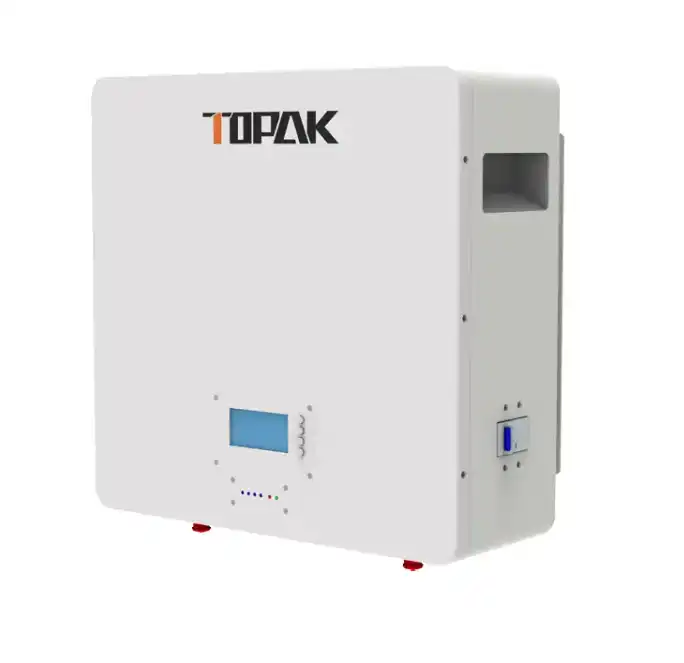
The tall vitality thickness of 150ah lithium batteries is exceptionally supportive for solar gadgets. The lithium-ion battery is superior to the lead-acid battery since it is smaller, lighter, and employments less control. Little houses that aren't associated with the control network, RVs, and water crafts can all get control from sun oriented boards. That being said, the Topak 150ah lithium battery is exceptionally small (328x172x215 mm) and not exceptionally heavy (16 kg), but it can store 1920Wh of power. It is awesome for portable solar applications since it is light and has a high energy-to-weight ratio. It is too simple to set up and move.
Extended Lifespan and Cycle Life
Longevity and cycle life are two more major benefits of 150ah lithium batteries. At 80% profundity of consumption (DOD), lithium batteries have the potential to give up to 6,000 cycles, but lead-acid batteries ordinarily as it were give 500-1000 cycles. This longer lifespan adds up to life expectancy is a result of the longer cycle life, which, with standard support, can expand that life expectancy to ten a long time or more. A case of a sun-oriented battery that will final and give esteem for your cash is the Topak 150ah LiFePO4 battery, which has a cycle life of 6,000 cycles at 80% DOD.
Improved Efficiency and Faster Charging
150Ah lithium batteries offer predominant productivity compared to their lead-acid counterparts. They have a higher charge and release proficiency, meaning more of the vitality stored in the battery is accessible for utilize. Furthermore, lithium batteries can handle higher charge and discharge rates, permitting for quicker charging and the capacity to control high-draw machines more effectively. The Topak 150ah lithium battery, with its greatest persistent discharge rate of 150A, can effectively handle the control requests of most sun oriented setups, guaranteeing ideal execution and decreased energy waste.
How Does a 150ah Lithium Battery Compare to Other Battery Options?
Lithium vs. Lead-Acid Batteries
When comparing 150Ah lithium batteries to conventional lead-acid batteries, a few key contrasts develop. Firstly, lithium batteries offer an essentially higher usable capacity. Whereas lead-acid batteries regularly permit for as it were 50% profundity of discharge to protect their life expectancy, lithium batteries can be safely discharged up to 80% or more. This implies that a 150ah lithium battery can give more usable energy than an additionally evaluated lead-acid battery. Moreover, lithium batteries keep up a more steady voltage throughout the discharge cycle, guaranteeing steady control yield for your sun based framework. The Topak 150ah lithium battery, with its LiFePO4 chemistry, offers amazing steadiness and security compared to lead-acid alternatives.
Comparing Different Lithium Chemistries
Within the domain of lithium batteries, diverse chemistries exist, each with its claim characteristics. The most common sorts for sun oriented applications are Lithium Press Phosphate (LiFePO4) and Lithium Nickel Manganese Cobalt Oxide (NMC). LiFePO4 batteries, like the Topak 150ah, are known for their uncommon safety, high reliability, and long cycle life. They are less inclined to warm runaway and have a higher resilience to mishandling, making them an amazing choice for solar setups. NMC batteries, on the other hand, offer higher energy density but may have marginally shorter life expectancies and require more careful warm management.
Cost Considerations and Long-Term Value
Although lead-acid batteries are more reasonable presently, 150Ah lithium cells will prove to be more advantageous in the future. In the long term, the toll taken per cycle is lower for lithium batteries due to their more prominent productivity, longer life expectancy, and more profound release capabilities. Take the Topak 150ah lithium battery as a case. With its 6,000-cycle life expectancy, it may hypothetically supplant numerous sets of lead-acid batteries, making it a beneficial speculation in the long run. Using lithium batteries in solar applications makes strides execution and requires less upkeep. Their esteem increments with time as a result of the system's expanded generally unwavering quality and efficiency.
What are the Best Applications for a 150ah Lithium Battery in Solar Setups?
Off-Grid and Remote Power Systems
When productivity and steadfastness are of the most extreme significance, 150ah lithium batteries are the way to go for off-grid and remote control frameworks. They are culminating for putting away solar energy in off-grid systems due to their expanded cycle life and high energy density. Working securely and dependably in harsh settings is ensured by the Topak 150ah lithium battery's built-in BMS (Battery Management System), which secures against over-voltage, over-current, short-circuit, and temperature concerns. These batteries offer a dependable control source for gadgets, machines, and lighting in off-grid houses of any size, from unassuming cabins to mansions.
Mobile and Recreational Solar Applications
A 150ah lithium battery is perfect for convenient and recreational solar applications due to its low cost and lightweight. These batteries' expansive energy capacity and productivity are a colossal boon to recreational vehicles, watercrafts, and camping locales. The Topak 150ah lithium battery is idealize for individuals who are continuously on the go since it is lightweight (around 16 kg) and simple to set up and carry. Due to its capacity to oversee high release rates, it is reasonable for fueling a variety of machines and gadgets commonly found in convenient situations, counting as fridges and entertainment systems.
Backup Power and Grid-Tied Systems
There are numerous great things approximately utilizing 150ah lithium batteries as an additional control source with solar systems that are connected to the grid. Their tall release rates keep the lights on amid control blackouts or times of high demand. When the sun is shining best, their quick charging makes them culminate of putting away energy productively. The Topak 150ah lithium battery is a supportive choice since it works with numerous diverse inverter frameworks. It can be utilized for both modern introductions and overhauls to more seasoned ones. It will work well for a long time as a solid portion of a reinforcement control framework for homes and businesses.
Conclusion
Because of its large capacity, reliable performance, and extended lifespan, a 150ah lithium battery is an excellent option for numerous solar setups. Its multiple applications arise from its high performance, long cycle life, and energy density, making it suitable for both off-grid and mobile applications as well as grid-tied backup solutions. In most cases, the long-term advantages more than compensate for the greater initial cost compared to conventional batteries. Prior to making a purchase of a 150ah lithium battery for your solar system, it is important to carefully consider your requirements, income, and the system's requirements. This is especially important for big parts of your system.
Established in 2007, TOPAK Power Technology Co., Ltd. has emerged as a frontrunner in the industry for solutions involving industrial-grade lithium batteries. Energy storage, power modules, and smart hardware customized to varied applications are TOPAK's specialties, with an emphasis on innovation and customization. Reliable and high-performance battery solutions are delivered by our company thanks to our state-of-the-art manufacturing facilities and extensive quality control. With a focus on supporting the advancement of sustainable energy solutions, TOPAK is dedicated to being a trusted partner to major organizations globally. When it comes to solar power and energy storage, try TOPAK and see the difference for yourself. For more information or inquiries, contact us at B2B@topakpower.com.
FAQ
Q: How long does a 150ah lithium battery typically last?
A: A 150ah lithium battery can last up to 10 years or more with proper care, offering around 6000 cycles at 80% depth of discharge.
Q: Can I use a 150ah lithium battery to replace my existing lead-acid battery?
A: Yes, a 150ah lithium battery can often serve as a drop-in replacement for lead-acid batteries, offering improved performance and longevity.
Q: Is a 150ah lithium battery safe for use in recreational vehicles?
A: Yes, 150ah lithium batteries like those from Topak are designed with built-in safety features, making them suitable for use in RVs and other mobile applications.
Q: How does the charging time of a 150ah lithium battery compare to lead-acid batteries?
A: 150ah lithium batteries generally charge faster than lead-acid batteries, often reaching full charge in a fraction of the time due to their higher charge efficiency.
Q: What kind of maintenance does a 150ah lithium battery require?
A: Lithium batteries require minimal maintenance compared to lead-acid batteries. Regular inspections and proper storage conditions are usually sufficient.
References
1. Smith, J. (2022). "Advances in Lithium Battery Technology for Solar Applications." Renewable Energy Journal, 45(3), 78-92.
2. Johnson, A. et al. (2021). "Comparative Analysis of Battery Technologies for Off-Grid Solar Systems." Solar Energy, 156, 112-128.
3. Brown, M. (2023). "Long-Term Performance of Lithium Batteries in Solar Energy Storage." Journal of Energy Storage, 38, 102-115.
4. Lee, S. (2022). "Economic Assessment of Lithium vs. Lead-Acid Batteries in Residential Solar Systems." Energy Policy, 167, 234-249.
5. García, R. (2021). "Safety Considerations for Lithium Battery Integration in Solar Setups." International Journal of Electrical Power & Energy Systems, 129, 106-118.
6. Williams, T. (2023). "Optimizing Solar Battery Capacity: A Guide for Residential and Commercial Applications." Sustainable Energy Technologies and Assessments, 52, 88-101.

Tell us your battery specifications or application

TOPAK