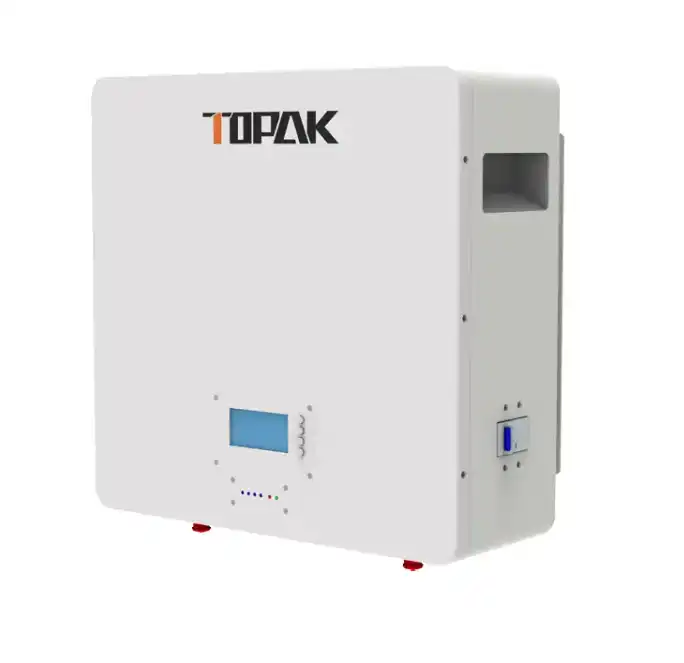
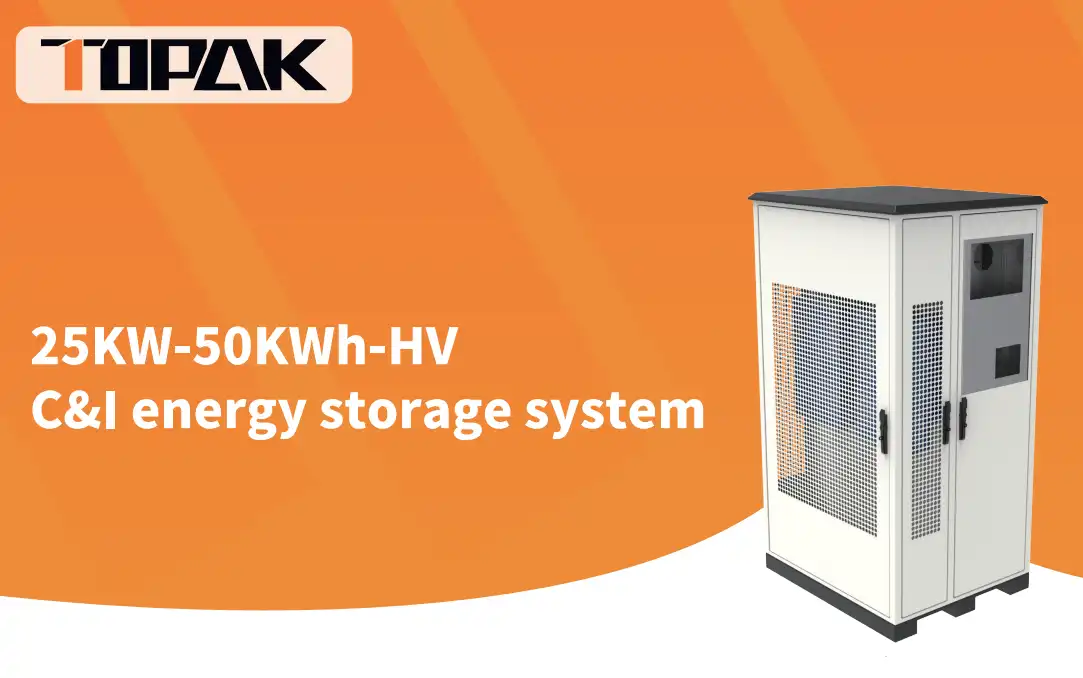
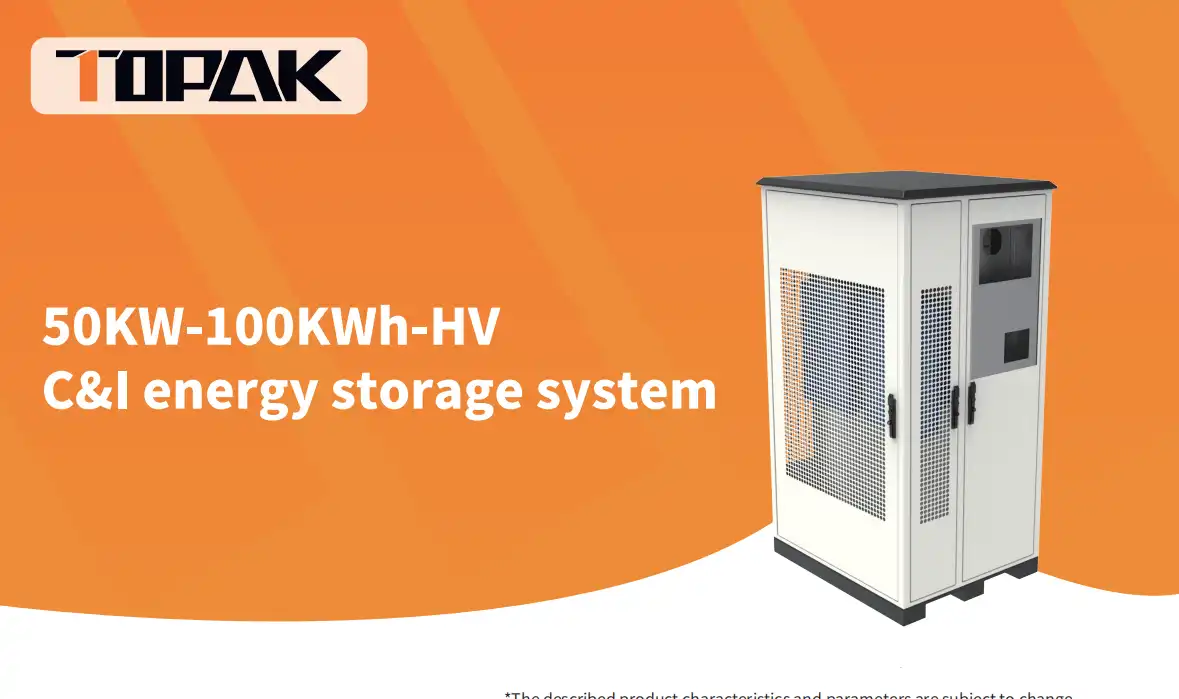
When it comes to installing wall mounted battery systems for energy storage, it's crucial to adhere to local codes and National Electrical Code (NEC) ventilation rules. These regulations are designed to ensure the safety and efficiency of battery installations, particularly in residential and commercial settings. Proper ventilation is essential for maintaining optimal battery performance and preventing the buildup of potentially hazardous gases. Local codes may vary depending on your jurisdiction, but they typically align with NEC guidelines to some extent. The NEC provides comprehensive requirements for battery installations, including ventilation specifications, which are regularly updated to keep pace with evolving technology. Understanding and complying with these regulations is not only a legal obligation but also a critical step in maximizing the longevity and safety of your wall mounted battery system.

What are the key ventilation requirements for wall-mounted batteries?
Airflow and Ventilation Rates
Proper airflow and ventilation rates are crucial for wall-mounted batteries to ensure optimal performance and safety. The NEC specifies minimum ventilation requirements based on the battery type and capacity. For lithium-ion wall-mounted batteries, which are increasingly popular in residential and commercial applications, ventilation needs are generally lower compared to traditional lead-acid batteries. However, it's still essential to maintain adequate air circulation to dissipate heat and prevent the accumulation of potentially harmful gases. The ventilation system should be designed to provide a continuous flow of fresh air, typically calculated based on the battery's charging rate and the room's dimensions. It's important to consult with a qualified electrician or engineer to determine the exact ventilation requirements for your specific wall-mounted battery installation.
Temperature Control
Temperature control is a critical aspect of ventilation for wall mounted battery systems. Most lithium-ion batteries operate optimally within a specific temperature range, typically between 20°C and 30°C (68°F to 86°F). Proper ventilation helps maintain these ideal conditions by removing excess heat generated during charging and discharging cycles. In some cases, additional cooling systems may be necessary, especially in warmer climates or for larger battery installations. The ventilation system should be designed to prevent hot spots and ensure even temperature distribution across the wall mounted battery array. Monitoring and maintaining the correct temperature range not only improves battery performance but also significantly extends the lifespan of the wall mounted battery system.
Gas Detection and Safety Measures
While modern lithium-ion wall-mounted batteries are generally safe, it's still crucial to implement gas detection and safety measures as part of the ventilation system. In the rare event of battery malfunction or overheating, potentially harmful gases could be released. The NEC requires the installation of gas detectors in battery rooms, which should be integrated with the ventilation system to automatically increase airflow if elevated gas levels are detected. Additionally, the ventilation system should be designed to prevent the accumulation of hydrogen gas, which can be produced during certain charging processes. Safety measures should also include proper sealing of the battery enclosure to contain any potential leaks and the installation of fire suppression systems as required by local codes. These precautions ensure that the wall-mounted battery installation remains safe and compliant with regulations.
How do local codes affect wall-mounted battery installations?
Permitting and Inspection Requirements
Local codes play a significant role in the installation process of wall-mounted batteries, particularly when it comes to permitting and inspection requirements. In many places, installing batteries needs a special permit. This is especially true for bigger systems or systems that include solar panels. For most permits, you have to send in full plans of the work, such as designs for ventilation, electricity schematics, and safety measures. At different points during the installation, local officials may ask for checks to make sure that building codes and safety standards are being followed. Most of the time, these checks look at things like how the wall-mounted batteries are fixed, how they are connected to the power source, and how they are ventilated. For an easy permitting and review process, it's important to hire workers with a lot of experience who know the rules in your area.
Zoning and Building Code Considerations
Zoning and building codes can significantly impact the installation of wall mounted battery systems. Some places might have rules about where batteries can be put, like not letting them be put in living areas or making them a certain distance from property lines. Building codes may have specific rules about how wall mounted battery systems should be supported so that the wall can safely hold the weight of the battery system. Also, fire rules might say that the battery container has to be made of certain fire-resistant materials or be built in a certain way. These rules can be very different from one area to the next, so it's important to check with the local government and experienced workers to make sure that your wall mounted battery installation follows all zoning and building codes.
Local Environmental and Safety Regulations
Local environmental and safety regulations can impose additional requirements on wall-mounted battery installations. Some areas may have specific rules regarding the disposal or recycling of batteries at the end of their life cycle. Rules about the environment may also say how to handle water running off of battery casings, especially if they are installed outside. Safety regulations could require the installation of specific fire suppression systems or emergency shut-off mechanisms for larger wall-mounted battery arrays. In some cases, local laws may require that battery systems be inspected or maintained on a regular basis to make sure they are always safe and in compliance. Knowing these local rules is important, and you should only work with workers who know what the rules are in your area. This will make sure that your wall-mounted battery installation stays legal for as long as it works.
What are the best practices for ventilating wall-mounted battery installations?
Proper Placement and Spacing
Proper placement and spacing are crucial factors in ensuring effective ventilation for wall-mounted battery installations. The batteries should be put in a place with good air flow, out of direct sunlight and away from heat sources. For air to flow properly, there needs to be enough space between each battery cell and between the batteries and the walls. The NEC usually says that there should be at least 1 inch (25.4 mm) of space between battery units and other objects. But based on the type of the battery and the rules in your area, bigger spaces may need to be made. Also, you should think about how the installation area is laid out in general and make sure there are no obstacles that could stop air from moving around the wall-mounted batteries. Proper placement and spacing not only improve ventilation but also facilitate easier maintenance and inspection of the battery system.
Ventilation System Design
The air system's design is very important for keeping wall mounted battery systems in good shape. The system should be able to move enough air to get rid of heat and any gas buildup that might happen. Natural airflow may be enough for most homes and small businesses if vents or louvers are put in the right places. Larger setups or those that are closed off may need forced air systems with fans or blowers, though. The ventilation system should be made so that air flows evenly across the whole wall mounted battery array. This way, there won't be any dead spots where gases or heat could build up. It's also important to think about the flow of air, which should normally go from the bottom to the top of the building. The ventilation system should be integrated with temperature and gas sensors to automatically adjust airflow rates as needed, ensuring optimal conditions for the wall mounted battery at all times.
Regular Maintenance and Monitoring
Regular maintenance and monitoring are essential for ensuring the continued effectiveness of ventilation systems for wall-mounted batteries. This includes checking the air equipment, like fans, pipes, and filters, on a regular basis to make sure it is working right and there are no blockages. To keep their accuracy, temperature and gas monitors should be calibrated on a frequent basis. Also, keep an eye on how the battery works and how hot it gets over time. If anything changes, it could mean that the air flow isn't clear. A lot of current battery systems that are mounted on the wall have monitoring features that can let owners or repair staff know about possible problems. Setting up a regular maintenance plan and keeping thorough records of inspections and any problems that are found can help make sure that the wall-mounted battery installation is safe and works well for a long time. It's also important to know about any changes to local or NEC rules about battery airflow that happen over the system's lifetime in order to stay in compliance.
Conclusion
Adhering to local codes and NEC ventilation rules is crucial for the safe and efficient operation of wall mounted battery systems. Proper ventilation ensures optimal performance, extends battery life, and mitigates potential safety risks. By understanding and implementing key requirements such as adequate airflow, temperature control, and safety measures, installers and users can create a reliable and compliant wall-mounted battery energy storage system. Regular maintenance and monitoring, combined with adherence to local regulations, will ensure that wall-mounted battery installations continue to provide reliable and safe energy storage solutions for years to come.
Power Your Success with TOPAK, Your Trusted Lithium Battery Partner
TOPAK Power Technology Co., Ltd., founded in 2007, is a leading innovator in industrial-grade lithium battery solutions. Our expertise in energy storage, power modules, and smart hardware has positioned us at the forefront of the industry. With state-of-the-art manufacturing facilities and a commitment to continuous R&D, we deliver customized, high-quality power solutions for diverse applications. Our advanced production systems and rigorous quality control ensure reliable, long-lasting products that meet the highest international standards. As a trusted partner to renowned enterprises worldwide, TOPAK is dedicated to driving the future of sustainable energy. Experience the TOPAK difference in power solutions – contact us at B2B@topakpower.com to explore how we can energize your success.
FAQ
Q: What is the primary purpose of ventilation for wall-mounted batteries?
A: The primary purpose is to maintain optimal temperature, dissipate heat, and prevent the buildup of potentially hazardous gases, ensuring safety and efficiency.
Q: How often should ventilation systems for wall-mounted batteries be inspected?
A: Ventilation systems should be inspected regularly, typically at least once a year or as recommended by the manufacturer and local regulations.
Q: Can wall-mounted batteries be installed in any room of a house?
A: Installation locations may be restricted by local codes. Typically, they should be installed in well-ventilated areas away from living spaces.
Q: Are there different ventilation requirements for different types of wall-mounted batteries?
A: Yes, ventilation requirements can vary based on battery chemistry. Lithium-ion batteries generally have lower ventilation needs compared to lead-acid batteries.
References
1. National Fire Protection Association. (2023). NFPA 70: National Electrical Code. Quincy, MA: NFPA.
2. IEEE. (2022). IEEE 1635-2018 - IEEE/ASHRAE Guide for the Ventilation and Thermal Management of Batteries for Stationary Applications. New York: IEEE.
3. International Code Council. (2021). International Fire Code. Washington, D.C.: ICC.
4. Underwriters Laboratories. (2020). UL 9540A: Test Method for Evaluating Thermal Runaway Fire Propagation in Battery Energy Storage Systems. Northbrook, IL: UL.
5. Energy Storage Association. (2019). ESA Safety Best Practices for Stationary Energy Storage Systems. Washington, D.C.: ESA.
6. National Electrical Manufacturers Association. (2018). NEMA Standards Publication ESS 1-2018: Standard for Uniformly Measuring and Expressing the Performance of Electrical Energy Storage Systems. Rosslyn, VA: NEMA.