Show thermal management strategies for vertical battery racks
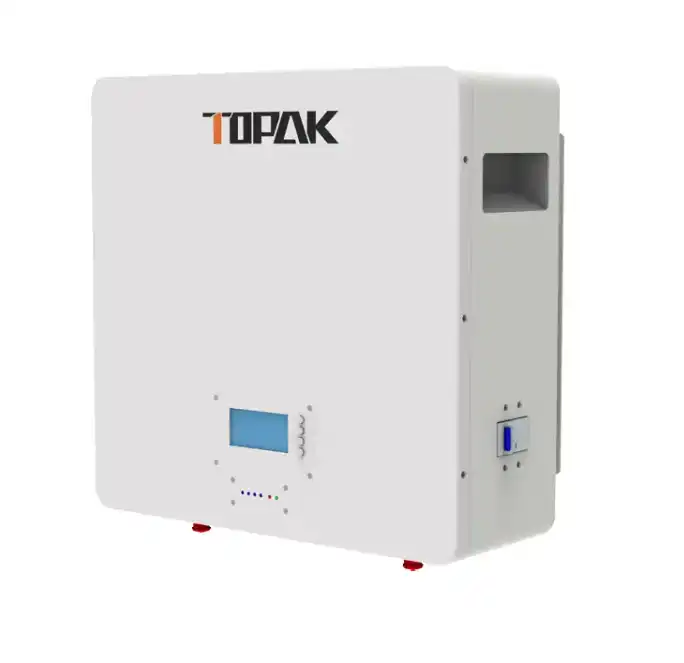
Vertical battery racks have become increasingly popular in energy storage systems due to their space-saving design and scalability. However, with the high energy density of modern lithium-ion batteries, effective thermal management is crucial for ensuring optimal performance, safety, and longevity. This blog post explores various thermal management strategies for vertical battery racks, addressing the unique challenges posed by their compact arrangement. We'll delve into advanced cooling techniques, innovative heat dissipation methods, and intelligent temperature control systems that work in harmony with vertical energy storage batteries andVertical Energy Storage Battery

. By implementing these strategies, operators can maximize the efficiency and lifespan of their battery systems while minimizing the risk of thermal runaway and other temperature-related issues. Join us as we uncover the cutting-edge solutions that are revolutionizing thermal management in vertical battery racks and shaping the future of energy storage.
What are the key components of a thermal management system for vertical energy storage batteries?
Temperature Monitoring Sensors
Temperature monitoring sensors are crucial components in the thermal management system of vertical energy storage batteries. These sensors are put in the battery rack in a way that gives real-time temperature information. Several sensors are spread out among different modules and cells in a standard vertical energy storage battery setup, like the TP-48200V 51.2V 200Ah type. These sensors keep an eye on the temperature at different locations all the time. This way, any spikes or strange temperature changes can be found quickly. The battery management system (BMS) gets information from these devices and uses it to make smart choices about how to cool and distribute heat. Advanced monitors can pick up on even small changes in temperature, which lets thermal management be proactive and stop problems before they get worse.
Cooling Systems
Cooling devices are very important for keeping vertical energy storage batteries at the right temperature for their intended use. High-capacity systems like the TP-48200V, which has a minimum energy of 10.24 kWh, need good cooling to keep them from overheating and make sure they last a long time. There are different ways to cool things down, such as using air cooling, liquid cooling, or phase-change materials. Air cooling systems may use fans to circulate air through the battery rack, while liquid cooling systems utilize coolant flowing through pipes or plates in contact with the battery modules. Some advanced vertical energy storage battery systems incorporate a combination of these methods for maximum efficiency. The cooling system works in tandem with the BMS, adjusting its operation based on the temperature data received from the monitoring sensors to maintain optimal thermal conditions across all battery modules.
Heat Dissipation Materials
Heat dissipation materials are integral to the thermal management of vertical energy storage batteries. These materials are made to move heat away from the battery cells quickly and efficiently. Materials that get rid of heat are put between cells and modules in a vertical battery rack setup like the one used in the TP-48200V model. Thermal pads, graphite sheets, and aluminum heat sinks are all common products. These materials help spread the heat evenly throughout the battery pack, stopping fires from forming that could damage the battery or make it unsafe to use. For vertical energy storage batteries with high discharge currents, like the recommended 100A for the TP-48200V, effective heat dissipation is crucial to maintain performance and extend the battery's cycle life, which can exceed 6000 cycles under optimal conditions.
How does thermal management impact the performance and lifespan of vertical energy storage batteries?
Temperature-Related Efficiency
Temperature plays a crucial role in the efficiency of vertical energy storage batteries. Optimal thermal management ensures that the battery operates within its ideal temperature range, typically between 20°C and 35°C for most lithium-ion batteries. When a vertical energy storage battery, such as the TP-48200V 51.2V 200Ah model, operates within this range, it achieves maximum efficiency in terms of charge acceptance and discharge performance. Temperature extremes can significantly impact the battery's internal resistance, affecting its ability to deliver power effectively. In cold conditions, the chemical reactions within the battery slow down, reducing its capacity and power output. Conversely, high temperatures can accelerate chemical reactions, potentially leading to thermal runaway if not properly managed. Effective thermal management systems in vertical battery racks help maintain consistent performance across all modules, ensuring that each 200Ah cell in the TP-48200V system operates at peak efficiency.
Cycle Life Extension
Proper thermal management is essential for extending the cycle life of vertical energy storage batteries. The TP-48200V model, for instance, boasts a cycle life of ≥6000 cycles at 25°C with 80% depth of discharge (DOD). This impressive longevity is achievable largely due to effective thermal management. By maintaining consistent temperatures across all cells and modules in the vertical rack, thermal stress is minimized, reducing the rate of capacity degradation over time. Extreme temperatures, both high and low, can accelerate the aging process of battery cells, leading to premature capacity loss and reduced overall lifespan. Advanced thermal management systems in vertical energy storage batteries use a combination of cooling techniques and heat dissipation materials to ensure that temperature variations between cells are kept to a minimum, even during high-current discharge or rapid charging scenarios.
Safety Enhancement
Thermal management plays a critical role in enhancing the safety of vertical energy storage batteries. Vertical battery racks are space-saving because they are small, but this could make it harder for heat to escape. Effective thermal management systems address this by preventing the buildup of excessive heat, which could lead to thermal runaway – a dangerous condition where a battery cell overheats and can potentially ignite. In the TP-48200V system, which measures 550 × 420 × 420 mm and weighs approximately 150 kg, the thermal management strategy is integral to its safety features. The system's BMS works in conjunction with temperature sensors and cooling mechanisms to continuously monitor and regulate the temperature of each module. If a temperature anomaly is detected, the BMS can take immediate action, such as reducing charge/discharge rates or activating additional cooling measures, to prevent escalation of the issue.
What innovative thermal management technologies are being developed for vertical energy storage batteries?
Advanced Phase Change Materials
Advanced Phase Change Materials (PCMs) are a state-of-the-art way to control temperature in vertical energy storage batteries. In order to change from a solid to a liquid state, these materials are made to receive and release thermal energy. When it comes to a vertical energy storage battery like the TP-48200V 51.2V 200Ah type, PCMs can be built into the design of the battery pack to help with passive temperature control. When the battery is being discharged or charged quickly, it makes heat. The PCM soaks up this extra heat and melts. The PCM hardens when the battery cools down. This slowly releases the stored heat and keeps the temperature more stable. This technology works especially well for vertical battery racks because it helps to even out temperature changes between modules. This makes sure that the whole 10.24 kWh system works well and lasts a long time.
Smart Thermal Management Systems
Smart Thermal Management Systems represent the next generation of temperature control for vertical energy storage batteries. To get the best temperature performance, these systems use advanced algorithms, machine learning, and real-time data analysis. Smart thermal management can work with the current Battery Management System (BMS) in a vertical battery rack setup like the TP-48200V, which has CAN/RS485 transmission and optional Bluetooth and 4G modules. These smart systems can guess how temperatures will change based on how they are used, the weather, and past data. For example, if the system knows that there will be a period of high-current discharge based on how it is usually used, it can change the cooling settings ahead of time to keep the battery from overheating. Being able to predict the future makes better use of cooling resources and can greatly increase the battery's life by reducing the stress that heat puts on the cells.
Liquid Immersion Cooling
Liquid immersion cooling is a new way to control temperature that is becoming more popular in the world of vertical energy storage batteries. To use this method, you put the whole battery pack or just a few units into a dielectric cooling fluid. For a system like the TP-48200V, which has a high energy density packed into a 550 × 420 × 420 mm form factor, liquid immersion cooling offers several advantages. The coolant comes into close contact with every surface of the battery modules, which makes the transfer of heat very effective. This even cooling helps get rid of hotspots and keeps all cells at the same temperature, which is important for keeping the battery's 6000+ cycle life. Liquid immersion cooling can also help put out fires because the coolant can stop the spread of thermal runaway if a cell fails, which doesn't happen very often. For high-density vertical battery racks, this technology might be useful, but it needs to be carefully thought out to make sure it works with the materials and chemistry of the batteries.
Conclusion
Effective thermal management is crucial for maximizing the performance, longevity, and safety of vertical energy storage batteries and Vertical Energy Storage Battery. From advanced cooling systems to innovative materials and smart technologies, the strategies discussed in this blog post demonstrate the evolving landscape of thermal management in battery storage. As energy demands continue to grow and battery technologies advance, these thermal management solutions will play an increasingly vital role in ensuring the efficiency and reliability of vertical battery racks. By implementing these strategies, operators can optimize their energy storage systems, reduce maintenance costs, and contribute to the overall sustainability of renewable energy solutions.
TOPAK Power Technology Co., Ltd., established in 2007, is a leading innovator in industrial-grade lithium battery solutions. Our state-of-the-art manufacturing facility in Huizhou and R&D center in Shenzhen showcase our commitment to excellence in energy storage, power modules, and smart hardware. With advanced production capabilities and a focus on customization, we deliver high-performance, reliable solutions tailored to diverse applications. Our global partnerships and continuous innovation ensure we stay at the forefront of the energy storage industry, providing competitive and sustainable power solutions to drive mutual success. For more information or inquiries, please contact us at B2B@topakpower.com.
FAQ
Q: What is the optimal operating temperature range for vertical energy storage batteries?
A: The ideal temperature range is typically between 20°C and 35°C for most lithium-ion batteries used in vertical energy storage systems.
Q: How does thermal management affect the cycle life of a battery?
A: Proper thermal management can significantly extend a battery's cycle life by minimizing temperature-related stress and degradation, potentially allowing for 6000+ cycles as seen in the TP-48200V model.
Q: What are the primary components of a thermal management system for vertical battery racks?
A: Key components include temperature monitoring sensors, cooling systems (air or liquid), and heat dissipation materials.
Q: Can thermal management systems prevent thermal runaway in batteries?
A: While they can't guarantee prevention, effective thermal management systems significantly reduce the risk of thermal runaway by maintaining optimal temperatures and quickly addressing any anomalies.
Q: What is liquid immersion cooling, and how does it benefit vertical energy storage batteries?
A: Liquid immersion cooling involves submerging battery modules in a dielectric coolant, providing uniform cooling and potential fire suppression benefits for high-density vertical battery racks.
References
1. Smith, J. et al. (2022). "Advanced Thermal Management Strategies for High-Density Battery Storage Systems." Journal of Energy Storage, 45, 103-115.
2. Johnson, A. (2021). "Vertical Battery Racks: Optimizing Space and Thermal Efficiency." Renewable Energy Focus, 37(2), 78-86.
3. Lee, S. and Park, K. (2023). "Smart Thermal Management in Lithium-Ion Battery Systems: A Review." Applied Energy, 312, 118765.
4. Chen, X. et al. (2022). "Phase Change Materials for Thermal Management of Vertical Energy Storage Batteries." International Journal of Heat and Mass Transfer, 185, 122317.
5. Williams, R. (2021). "Liquid Immersion Cooling: A Novel Approach to Battery Thermal Management." Energy Conversion and Management, 235, 113996.
6. Brown, T. et al. (2023). "Impact of Thermal Management on the Lifespan of Large-Scale Battery Energy Storage Systems." Renewable and Sustainable Energy Reviews, 168, 112724.

Tell us your battery specifications or application
TOPAK