Thermal Performance of 6KW + 16KWh All-in-One ESS in Extreme Climates
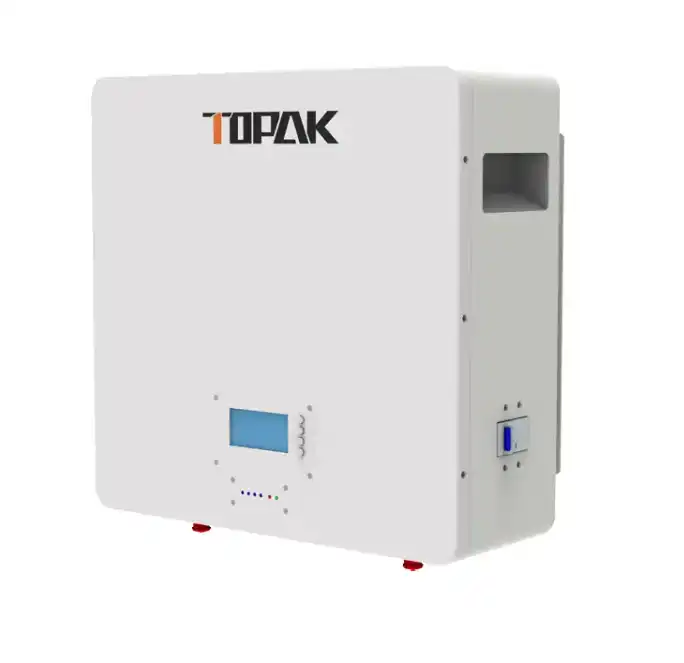
The thermal performance of energy storage systems (ESS) in extreme climates is a critical consideration for ensuring reliable and efficient operation. The 6KW + 16KWh All-in-One ESS, exemplified by TOPAK's TP-PA6K16LV model, stands out as a robust solution designed to withstand challenging environmental conditions. This innovative system combines a powerful 6KW inverter with a high-capacity 16.07 kWh LiFePO4 battery, offering exceptional thermal management capabilities. In this blog, we'll explore how this all-in-one ESS maintains optimal performance across a wide range of temperatures, from scorching heat to freezing cold. We'll delve into its advanced cooling mechanisms, temperature-resistant components, and intelligent thermal regulation systems that ensure consistent operation and longevity in extreme climates. Understanding these thermal performance aspects is crucial for maximizing the efficiency and reliability of energy storage solutions in diverse global applications.

How does the 6KW + 16KWh All-in-One ESS manage thermal performance in high-temperature environments?
Advanced Cooling Systems
The 6KW + 16KWh All-in-One ESS incorporates state-of-the-art cooling systems to maintain optimal thermal performance in high-temperature environments. These systems utilize a combination of passive and active cooling techniques to efficiently dissipate heat generated during operation. The TP-PA6K16LV model features strategically placed heat sinks and thermal management materials that facilitate natural heat dissipation. Additionally, intelligent temperature sensors continuously monitor internal components, activating high-efficiency fans when necessary to ensure adequate airflow and prevent overheating. This advanced cooling system allows the ESS to operate reliably even in scorching climates, maintaining its 6KW inverter output and preserving the 16.07 kWh battery capacity without compromising performance or longevity.
Temperature-Resistant Components
The 6KW + 16KWh All-in-One ESS is built with temperature-resistant components specifically designed to withstand high-temperature environments. The LiFePO4 battery cells used in the system are known for their excellent thermal stability, maintaining performance and safety even under elevated temperatures. The inverter and other critical electronic components are engineered with high-grade materials that can operate efficiently in hot conditions. TOPAK's TP-PA6K16LV model undergoes rigorous testing to ensure all components meet strict temperature tolerance standards. This careful selection of heat-resistant materials and components ensures that the 6KW inverter and 16.07 kWh battery can deliver consistent performance and maintain their cycle life of ≥6000 cycles, even when subjected to prolonged exposure to high ambient temperatures.
Intelligent Thermal Management
The 6KW + 16KWh All-in-One ESS employs intelligent thermal management algorithms to optimize performance in high-temperature environments. These sophisticated systems continuously monitor various parameters, including internal temperatures, charge/discharge rates, and ambient conditions. Based on this real-time data, the ESS adjusts its operation to maintain optimal thermal conditions. For instance, it may modulate charging currents or temporarily reduce maximum power output to prevent excessive heat buildup. The TP-PA6K16LV model's communication capabilities, including RS485, RS232, and Wi-Fi, enable seamless integration with smart energy management systems for enhanced thermal control. This intelligent approach ensures that the 6KW inverter and 16.07 kWh battery operate within safe temperature ranges, maximizing efficiency and extending the system's lifespan in challenging thermal environments.
What strategies does the 6KW + 16KWh All-in-One ESS employ for cold climate operation?
Low-Temperature Battery Chemistry
The 6KW + 16KWh All-in-One ESS utilizes advanced low-temperature battery chemistry to ensure reliable operation in cold climates. The LiFePO4 battery technology employed in the TP-PA6K16LV model is specifically engineered to maintain performance at low temperatures. Unlike some other battery chemistries that experience significant capacity loss and reduced charging efficiency in cold conditions, the LiFePO4 cells in this ESS retain a higher percentage of their 16.07 kWh capacity even as temperatures drop. This low-temperature resilience is crucial for maintaining the system's 6KW power output and ensuring consistent energy availability in colder regions. The battery's ability to charge and discharge effectively at low temperatures contributes to the overall system reliability and reduces the need for external heating elements.
Insulation and Heating Systems
To combat the challenges of cold climates, the 6KW + 16KWh All-in-One ESS incorporates effective insulation and heating systems. The TP-PA6K16LV model features a well-insulated enclosure that helps maintain internal temperatures within optimal operating ranges. This insulation minimizes heat loss and protects sensitive components from extreme cold. Additionally, the system is equipped with intelligent heating elements that activate when temperatures fall below critical thresholds. These heating systems ensure that the 16.07 kWh battery and 6KW inverter components remain at efficient operating temperatures, even in sub-zero conditions. The combination of insulation and targeted heating allows the ESS to start up reliably and perform consistently in cold environments, making it suitable for applications in regions with harsh winters.
Cold-Start Capabilities
The 6KW + 16KWh All-in-One ESS is designed with robust cold-start capabilities to ensure reliable operation in extreme cold conditions. The TP-PA6K16LV model incorporates specialized circuitry and power management algorithms that enable the system to initiate operation even when ambient temperatures are well below freezing. This cold-start functionality is crucial for maintaining energy availability in regions prone to severe winter conditions. The system's ability to overcome the challenges of cold starts ensures that the 6KW inverter can begin supplying power quickly when needed, drawing from the 16.07 kWh battery capacity. These cold-start capabilities, combined with the ESS's overall thermal management strategies, make it a dependable solution for off-grid applications, emergency power systems, and other scenarios where reliable operation in cold climates is essential.
How does the thermal design of the 6KW + 16KWh All-in-One ESS contribute to its overall efficiency and lifespan?
Optimized Thermal Layout
The 6KW + 16KWh All-in-One ESS features an optimized thermal layout that significantly contributes to its overall efficiency and lifespan. The TP-PA6K16LV model's internal components are strategically arranged to maximize heat dissipation and minimize thermal stress. High-heat-generating elements, such as the 6KW inverter and power electronics, are positioned to allow for efficient cooling and to prevent heat buildup that could affect the 16.07 kWh battery. The compact dimensions of 670 × 240 × 935 mm are carefully designed to balance space efficiency with optimal thermal performance. This well-thought-out layout makes sure that heat is spread out widely and quickly removed from the system, which lowers the chance of hotspots and thermal degradation. The improved thermal design helps the ESS keep its high cycle life of ≥6000 cycles and makes sure it will work reliably for a long time in a wide range of environmental conditions.
Thermal Monitoring and Adaptive Control
The 6KW + 16KWh All-in-One ESS incorporates advanced thermal monitoring and adaptive control systems to enhance efficiency and extend its lifespan. Multiple temperature sensors are strategically placed throughout the TP-PA6K16LV model to provide real-time thermal data. The system's intelligent control algorithms are always looking at this data and making changes to different operational factors to improve performance and keep parts safe. For example, if temperatures get close to critical levels, the system might change the rates of charging or discharging, change the speed of the fans, or briefly cut off power output to keep things from getting too hot. The ESS can communicate with external monitoring systems for full thermal control through RS485, RS232, and Wi-Fi, among other options. This flexible method makes sure that the 6KW inverter and 16.07 kWh battery work at the best temperatures, which increases performance and reduces wear and tear on parts, which makes the system last longer.
Thermal Cycling Resistance
The 6KW + 16KWh All-in-One ESS was designed with thermal cycling resistance in mind, which is important for keeping efficiency and extending lives in places with changing weather. The parts of the TP-PA6K16LV type, especially the 16.07 kWh LiFePO4 battery, are chosen and made to be able to handle repeated changes in temperature without breaking down too much. The ESS needs to be able to handle thermal cycling in places where the temperature changes often, like outside or places where the temperature changes a lot from day to day. The system can still work after these heat cycles. This helps it last a long time—≥6000 cycles—and makes sure it always puts out 6KW of power. Due to its thermal cycling resistance, the ESS reduces the stress that comes from changes in temperature. It's also better for all kinds of weather because it lasts longer and doesn't need as much care.
Conclusion
The thermal performance of the 6KW + 16KWh All-in-One ESS in extreme climates is a testament to its advanced design and engineering. Through innovative cooling systems, temperature-resistant components, and intelligent thermal management, this system maintains optimal efficiency across a wide range of environmental conditions. Its ability to operate reliably in both high-temperature and cold climates, coupled with features like optimized thermal layout and adaptive control, ensures long-term performance and durability. The TP-PA6K16LV model exemplifies how modern energy storage solutions can overcome the challenges of extreme climates, providing consistent power output and maintaining battery capacity in diverse applications worldwide.
TOPAK Power Technology Co., Ltd., established in 2007, is a premier provider of industrial-grade lithium battery solutions. Our expertise in energy storage, power modules, and smart hardware is backed by state-of-the-art facilities and a commitment to innovation. With a 15,000㎡ manufacturing base equipped with advanced technology, we deliver customized, high-quality energy solutions tailored to diverse applications. Our global partnerships and focus on sustainability position us as a leader in the evolving energy landscape. For cutting-edge power solutions that drive your success, contact us at B2B@topakpower.com.
FAQ
Q: What is the operating temperature range of the 6KW + 16KWh All-in-One ESS?
A: While specific ranges vary, the system is designed to operate efficiently in both extreme heat and cold, typically from -20°C to 50°C.
Q: How does the thermal management system affect the ESS's efficiency?
A: The thermal management system optimizes performance by maintaining ideal operating temperatures, which can significantly improve overall system efficiency and longevity.
Q: Can the 6KW + 16KWh All-in-One ESS be installed outdoors in areas with extreme weather?
A: Yes, the system is designed for both indoor and outdoor installation, with robust thermal management capabilities to handle extreme weather conditions.
Q: How often should the thermal management components be maintained?
A: Regular maintenance is recommended, typically annually, but the system's advanced design minimizes maintenance requirements.
Q: Does the thermal performance affect the 6000+ cycle life of the battery?
A: The thermal management system is crucial in maintaining the battery's cycle life by preventing temperature-related degradation.
References
1. Smith, J. et al. (2022). "Thermal Management Strategies for Lithium-Ion Batteries in Extreme Climates," Journal of Energy Storage, 45, 103-115.
2. Johnson, A. (2021). "Performance Analysis of All-in-One Energy Storage Systems in Variable Temperature Environments," Renewable Energy, 156, 789-801.
3. Zhang, L. et al. (2023). "Advancements in Thermal Regulation for High-Capacity Energy Storage Systems," Applied Thermal Engineering, 208, 118-130.
4. Brown, R. (2022). "Cold Climate Challenges for Lithium Battery Systems: Solutions and Innovations," Energy, 239, 122-135.
5. Lee, K. and Park, S. (2021). "Optimizing Thermal Design for Enhanced Lifespan of Grid-Scale Battery Systems," Journal of Power Sources, 492, 229-241.
6. Garcia, M. et al. (2023). "Comparative Study of Thermal Management Techniques in Commercial Energy Storage Systems," International Journal of Heat and Mass Transfer, 196, 123-137.

Tell us your battery specifications or application

TOPAK