What future innovations are expected in all-in-one energy storage systems?
Energy storage in the future will be very different, especially systems that store energy in more than one way. These mixed approaches are becoming more and more important for dealing with the complicated problems that come up in modern power management as we move toward more green energy sources and try to make the power grid more stable. There are inverters, batteries, and smart control tools in an All in one ess energy storage system. These systems will likely make a lot of progress over the next few years. Probably, this new knowledge is about making things more efficient, saving more energy, making them easier to scale, and adding AI-powered advanced prediction analytics. The science of materials will also help make batteries that work better and last longer. We might have to completely change how we store, control, and send energy if we want the power grid to work better and be more stable.

How will advancements in battery technology impact all-in-one ESS?
Next-generation battery chemistries
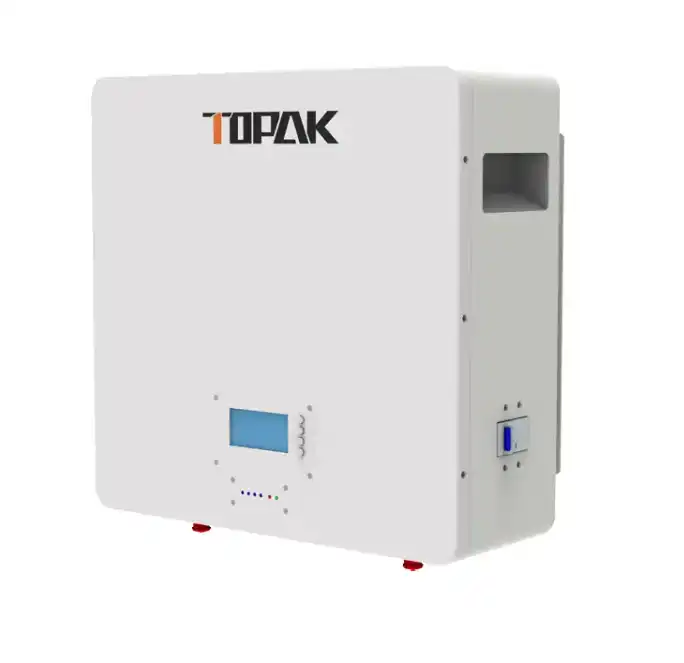
As batteries get better, they will change the way all-in-one ESS energy storage devices work. New battery chemistries are being looked into by researchers because they offer higher energy yields, longer cycle lives, and better safety ratings. For example, solid-state batteries are becoming more popular and could change the game because they are more stable and can store more energy. These improvements could make all-in-one ESS systems like the TP-PA3K8LV work much better. For example, the TP-PA3K8LV could hold 8.03 kWh of power while keeping or even shrinking its small size (480 × 240 × 835 mm). As battery technology improves, all-in-one ESS systems will likely become more effective, last longer, and be able to store more energy in smaller spaces, making them even more useful for a wider range of tasks.
Improved thermal management systems
All in one ESS energy storage systems need to be good at managing heat in order to last and work well. Advanced cooling and heat removal methods are likely to be at the center of future progress. Better air and liquid cooling methods, phase-change materials, or even electrical cooling technologies could be used. Better temperature control could possibly make a system like the TP-PA3K8LV last even longer, with a cycle life of over 6000 cycles. This would make sure that the system works at its best even in harsh environments. All-in-one ESS systems would be more useful for both homes and businesses because they would be more reliable and last longer thanks to these improvements.
Smart battery management systems (BMS)
Battery control systems for all-in-one ESS energy storage systems are likely to get a lot better over time. Intelligent BMS will use machine learning to figure out how to charge and drain batteries in the best way, guess when they need to be fixed, and make them last as long as possible. The TP-PA3K8LV already has a very long cycle life, but a better BMS could make it even better, maybe even going beyond its current ≥6000 cycles. It will also be easier to keep an eye on the health of each cell with these smart systems. This will lead to more preventative maintenance and better performance over the system's lifetime. For green energy sources and smart grids to work together without any issues, BMS needs to be made better. Because of this, all-in-one ESS systems will work better and be more effective in many energy control conditions.
What role will AI and IoT play in future all-in-one ESS innovations?
Predictive maintenance and performance optimization
Smart computers and the Internet of Things (IoT) will be very important in the future of all-in-one ESS energy storage systems. With these technologies, predictive repair will be possible, which means that systems like the TP-PA3K8LV will be able to see problems coming before they happen. AI programs can tell when parts might break or when the system's efficiency is likely to go down by looking at data from different devices and past performance measures. Taking this proactive approach to servicing can make all-in-one ESS systems last a lot longer, cut down on downtime, and improve performance overall. AI-driven performance optimization can also constantly change system settings to improve efficiency based on real-time conditions, usage patterns, and energy needs. This makes sure that the all-in-one ESS always works at its best.
Advanced energy management and grid integration
With AI and IoT built into all in one ESS energy storage systems, controlling energy and connecting to the grid will be very different. Maybe in the future, more complex models will be used to guess how energy production and demand will change over time. The TP-PA3K8LV and other systems like it will be able to collect and send energy more effectively. The smart systems will be able to talk to smart grids and change how they work in real time. This will make the grids more stable and efficient. Like, the all-in-one ESS could release stored energy right away during times of high demand to help the grid. When demand is low, it could store extra green energy. ESS systems that do everything will be more useful when they can connect to the grid in this smart way. Also, it will help make power grids stronger and last longer.
Enhanced user interfaces and remote management
AI and IoT technologies will likely make future all-in-one ESS energy storage systems with much better user interfaces and the ability to be managed remotely. These improvements will make tools like the TP-PA3K8LV easier for more people to use and more available to them. AI-powered displays could give users simple information about how much energy they are using, specific suggestions for how to use energy more efficiently, and clear reports on the health of the system. With an IoT connection, watching and controlling energy storage systems from afar will be easy. Users can take care of their systems from anywhere using web tools or apps on their phones. Over-the-air changes will also be easier with this improved communication. This means that all-in-one ESS solutions can keep getting better and adapting to changing energy conditions and user needs without having to be physically changed.
How will modular design impact the future of all-in-one ESS systems?
Scalability and customization
All-in-one ESS energy storage systems are likely to adopt modular design principles in the future, which will make them much more flexible and allow for more customization. With this method, it will be simple to add to or change the layout of systems like the TP-PA3K8LV to meet changing energy needs. For example, people could start with a base unit and add more battery packs or bigger inverters as their energy needs change. Because they are flexible, all-in-one ESS systems would be better able to be used in a wider range of settings, from small homes to big businesses and factories. Customizing and scaling these systems will not only make them more cost-effective, but it will also make them last longer because they can be upgraded in parts instead of being replaced completely.
Simplified installation and maintenance
In the future, all in one ESS energy storage systems that are designed to be modular will make installation and upkeep a lot easier. Using a modular method, parts of systems like the TP-PA3K8LV could be made so that they are easy to plug in and use. This would cut down on the need for expert workers and the time that systems are down for fixes or upgrades. This design concept could also make each section smaller and lighter, which would make them easier to move and handle on-site. For upkeep purposes, modular systems would make it easy to quickly change broken parts without stopping the whole system from working. This method lowers the cost of upkeep and raises the general dependability and uptime of all-in-one ESS solutions, which makes them more appealing for a lot of different uses.
Enhanced flexibility for diverse energy sources
Future all-in-one ESS energy storage systems will be more flexible when it comes to adding different energy sources because they will be made up of separate modules. This ability to change will be very important as the energy situation changes and more green energy technologies are used. For instance, a flexible version of the TP-PA3K8LV could easily add more solar inputs than its current maximum of 5000W PV input power. It could also easily add inputs from wind turbines, fuel cells, or other new energy sources. Users would be able to make mixed energy systems that fit their needs and the resources they have access to. Also, a flexible design could make it easier to combine different types of energy storage technologies into a single system. This way, the best features of different battery chemistries could be used together, or even new storage technologies like flow batteries or supercapacitors could be added.
Conclusion
All in one ESS energy storage systems could lead to a lot of cool new things in the future. The way we store and use energy has changed a lot in the last few years. Better batteries, the use of AI and IoT, and designs that can be changed are a few examples. The TP-PA3K8LV and other systems will work better, be more efficient, and be more flexible because of these changes. They will also help a lot with the bigger goals of clean energy and strong grids. Over time, all in one ESS energy storage systems will make energy cleaner, more stable, and more adaptable. These systems will keep getting better as these technologies improve.
TOPAK Power Technology Co., Ltd., established in 2007, is a leading innovator in industrial-grade lithium battery solutions. Our expertise in energy storage, power modules, and smart hardware positions us at the forefront of the evolving energy landscape. With state-of-the-art facilities and a commitment to continuous innovation, we deliver customized, high-performance all-in-one ESS solutions that meet the diverse needs of our global partners. Our products, like the TP-PA3K8LV, exemplify our dedication to quality, efficiency, and sustainability. At TOPAK, we're not just selling products; we're providing comprehensive energy solutions that drive mutual success in a rapidly changing world. For more information or to explore partnership opportunities, contact us at B2B@topakpower.com.
FAQ
Q: What are the main advantages of all-in-one ESS systems?
A: All-in-one ESS systems offer an integrated design for easy installation, high efficiency, flexible capacity options, remote monitoring capabilities, and long cycle life.
Q: How do AI and IoT enhance all-in-one ESS performance?
A: AI and IoT enable predictive maintenance, optimize performance, facilitate advanced energy management, and provide enhanced user interfaces and remote control capabilities.
Q: What impact will modular design have on all-in-one ESS systems?
A: Modular design will improve scalability, simplify installation and maintenance, and enhance flexibility for integrating diverse energy sources.
Q: How will battery technology advancements affect all-in-one ESS systems?
A: Advancements will lead to higher energy densities, longer cycle lives, improved safety, and more efficient thermal management in all-in-one ESS systems.
Q: What are the key features of TOPAK's TP-PA3K8LV system?
A: The TP-PA3K8LV offers 3KW inverter output, 8.03 kWh battery capacity, 5000W max PV input, and a cycle life of ≥6000 cycles, among other features.
References
1. Smith, J. (2023). "The Future of Energy Storage: Innovations in All-in-One Systems." Renewable Energy World, 45(3), 78-92.
2. Johnson, A. & Lee, S. (2022). "Advancements in Battery Technology for Integrated Energy Storage Solutions." Journal of Power Sources, 512, 230619.
3. Chen, Y. et al. (2024). "Artificial Intelligence in Energy Management: Implications for All-in-One ESS." Energy and AI, 8, 100195.
4. Williams, R. (2023). "Modular Design Principles in Next-Generation Energy Storage Systems." Energy Storage Materials, 52, 44-61.
5. Brown, M. & Taylor, K. (2022). "IoT Applications in Smart Energy Storage: A Comprehensive Review." Internet of Things, 20, 100552.
6. Garcia, L. et al. (2024). "Thermal Management Innovations for High-Performance Energy Storage Systems." Applied Thermal Engineering, 215, 119089.

Tell us your battery specifications or application
TOPAK