What Is the Future of C&I Energy Storage Technology?
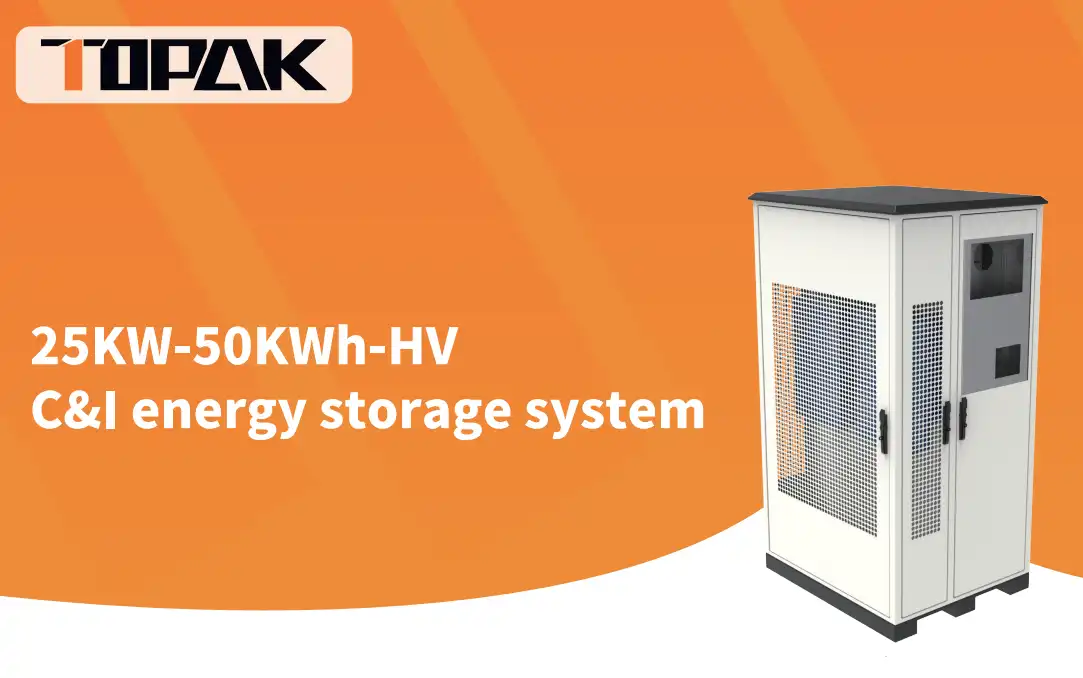
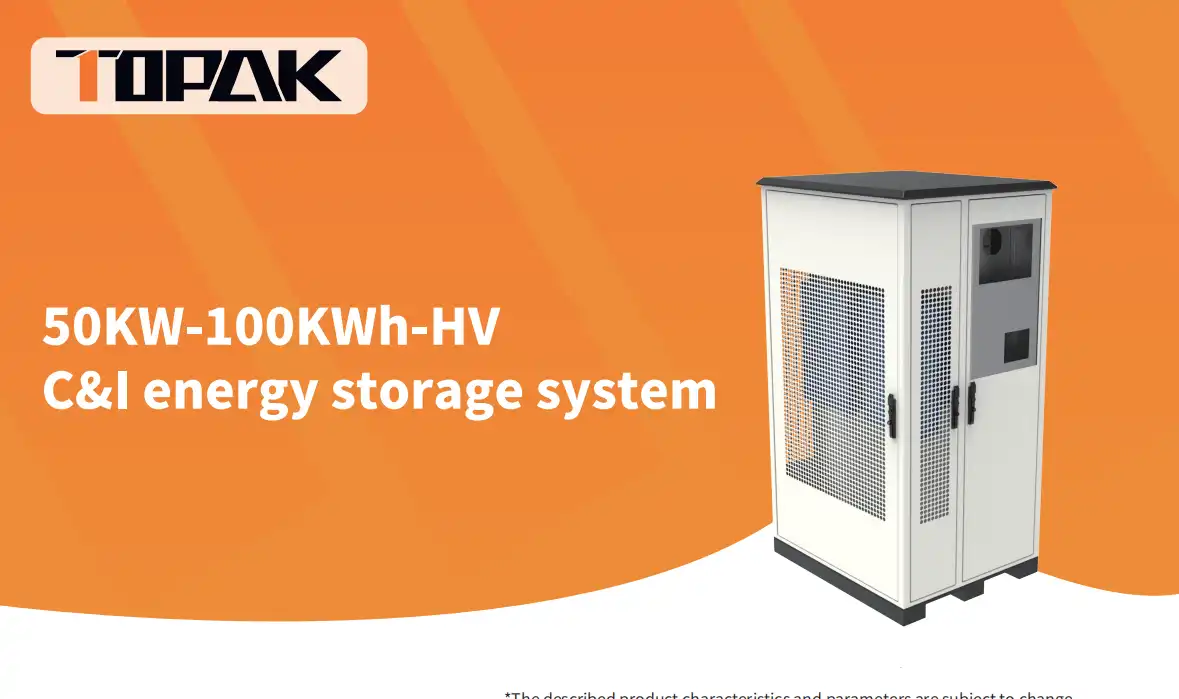
There is much promise for the future of energy storage technologies in commercial and industrial settings. It can be used in many ways and come up with new ideas. For example, C&I systems and other important energy storage infrastructure are changing quickly because businesses need more sustainable and cheaper energy options. These are top-notch in a lot of ways. Commercial and industrial facilities are safer, energy costs are reduced, and the grid becomes more stable. Battery chemistry, power electronics, and smart energy management systems are all getting better very quickly. As a result, C&I energy storage is changing to meet the needs of many different businesses. As more people use solar power and other green energy sources, it's important to find smarter and more efficient ways to store energy. Looking to the future, C&I energy storage technology is likely to be very important in changing how people use energy, making the grid more trustworthy, and making the switch to a cleaner, more sustainable energy environment easier.

What are the key advancements in C&I energy storage technology?
Improved Battery Chemistry and Performance
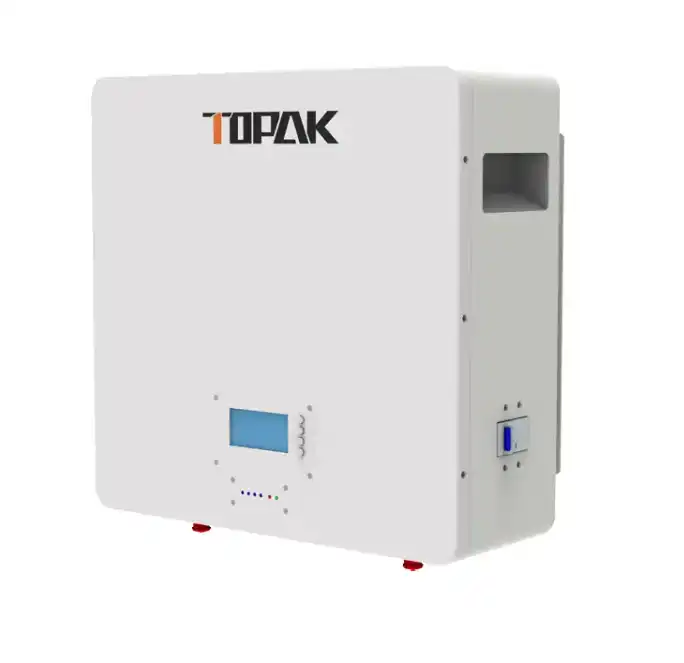
Advancements in C&I energy storage technology are primarily driven by improvements in battery chemistry and performance. Lithium-ion batteries, like the ones used in Topak's systems, are still the most popular because they have a high energy density, last a long time, and are getting cheaper. They are looking into new resources and methods to create batteries that are safer, have more power, and charge more quickly. As an example, Topak's energy storage systems use advanced lithium-ion batteries with a capacity of 64.3KWh, made up of four 51.2V 314Ah units. Businesses and industries can be sure they will always have access to energy because of the huge storage area. Flow batteries and solid-state batteries are also continuously improving. Their power capacity and durability are both enhanced by this. This could completely change how C&I energy is stored in the coming years.
Enhanced Power Electronics and System Integration
The future of C&I energy storage technology is closely tied to advancements in power electronics and system integration. Modern energy storage systems, like those offered by Topak, feature sophisticated inverters and power management systems that enable seamless integration with existing electrical infrastructure. For example, Topak's systems can output up to 32KW of AC power, with a broad operating range of 220VAC/230VAC, making them suitable for diverse commercial and industrial applications. Additionally, these systems often incorporate multiple MPPT (Maximum Power Point Tracking) channels for optimal solar energy harvesting, with Topak's solution featuring 6 MPPTs operating within a voltage range of 125-425V and a maximum current of 26A per MPPT. This level of integration and flexibility allows for more efficient energy utilization and better overall system performance.
Smart Energy Management and AI Integration
Putting together smart energy management systems and artificial intelligence (AI) is a big step forward in C&I energy storage technology. These smart systems, like Topak's advanced EMS (Energy Management System), make the best use of energy, help with peak shaving, and oversee how the grid works so that there is a steady flow of electricity at a low cost. AI algorithms can predict energy demand patterns, adjust storage and discharge cycles accordingly, and even participate in demand response programs. At this level of intelligence, the grid as a whole is more stable, and individual companies get the most out of their energy storage investments. With the continuous advancement of AI, we may anticipate increasingly complex management capabilities. This could pave the way for completely autonomous energy systems that can instantly adjust to fluctuating energy demands and market circumstances.
How will C&I energy storage impact renewable energy integration?
Facilitating Higher Renewable Energy Penetration
C&I energy storage technology is set to play a crucial role in facilitating higher renewable energy penetration in commercial and industrial sectors. Advanced systems, like those developed by Topak, support flexible solar integration, allowing for significant solar input capacities. For instance, Topak's solutions can accommodate up to 46.2KW of solar input with a maximum open-circuit voltage of 1500V, enabling compatibility with large PV arrays. This capability allows businesses to maximize their use of renewable energy sources, reducing reliance on the grid and lowering carbon emissions. As storage technology improves, it will become increasingly feasible for C&I facilities to operate primarily on renewable energy, using storage to balance supply and demand fluctuations inherent in solar and wind power generation.
Enhancing Grid Stability and Reliability
The integration of C&I energy storage with renewable energy sources significantly enhances grid stability and reliability. Energy storage systems act as buffers, smoothing out the intermittent nature of renewable energy production. Topak's systems, with their high storage capacity and advanced power management capabilities, can store excess energy during peak production periods and release it during times of high demand or low renewable output. This functionality not only ensures a stable power supply for the facility but also contributes to overall grid stability. As more businesses adopt such systems, the cumulative effect on grid resilience could be substantial, potentially reducing the need for costly grid infrastructure upgrades and improving the reliability of power supply across entire regions.
Enabling Microgrid and Off-Grid Applications
C&I energy storage technology is paving the way for more robust microgrid and off-grid applications in the commercial and industrial sectors. Advanced systems like those offered by Topak, with their high storage capacity, flexible solar integration, and intelligent energy management, make it feasible for businesses to operate independently from the main grid when necessary. This capability is particularly valuable in areas with unreliable grid infrastructure or for facilities that require an uninterrupted power supply. The wide operating temperature range of Topak's systems (-20~60℃) further enhances their suitability for diverse environmental conditions, making off-grid operations viable in various climates. As C&I energy storage technology continues to advance, we can expect to see more businesses leveraging these systems to create resilient, self-sustaining energy ecosystems.
What are the future trends in C&I energy storage deployment?
Increased Adoption in Various Industries
The future of C&I energy storage technology points towards increased adoption across a wide range of industries. There will likely be more uses for energy storage solutions in manufacturing, data centers, healthcare facilities, and large-scale retail operations as systems like the ones created by Topak get better and cheaper. Since energy storage systems can be changed and added to, they can now be used to meet a wide range of energy needs and trends. To give you an example, Topak's solutions can meet the different energy needs of different manufacturing processes thanks to their high inverter power output and efficient MPPT operation. Because it can be used in a lot of different ways, and because sustainability and energy freedom are becoming more important, C&I energy storage will grow into new market segments.
Integration with Smart Building Technologies
A significant trend in the future of C&I energy storage technology is its integration with smart building technologies. Advanced energy storage systems, equipped with sophisticated energy management capabilities like those found in Topak's solutions, will become integral components of intelligent building ecosystems. These systems will work in tandem with other smart technologies such as IoT sensors, automated HVAC systems, and smart lighting to optimize overall energy consumption. The ability of C&I energy storage to provide real-time data on energy usage and storage levels will enable more precise control over building operations, leading to improved energy efficiency and reduced operational costs. As smart building technologies continue to evolve, energy storage systems will play an increasingly central role in managing and optimizing energy flows within commercial and industrial facilities.
Participation in Grid Services and Energy Markets
The future of C&I energy storage technology will see increased participation in grid services and energy markets. Advanced systems like those offered by Topak, with their high storage capacity and intelligent energy management capabilities, are well-positioned to provide valuable services to the grid. These services may include frequency regulation, voltage support, and demand response, all of which contribute to grid stability and efficiency furthermore, as energy markets evolve to accommodate distributed energy resources, C&I energy storage systems will enable businesses to participate in these markets, potentially generating additional revenue streams. The ability to store energy during low-price periods and sell it back to the grid during high-demand times will become a key feature of future C&I energy storage deployments, transforming businesses from mere energy consumers to active participants in the energy ecosystem.
Conclusion
C&I energy storage technology has a bright and important future ahead of it. Thanks to progress in battery chemistry, power electronics, and smart energy management systems, there are now better, more flexible, and stronger ways to store energy. Adding green energy sources, making the grid more stable, and making business processes more eco-friendly will all depend on these technologies. As more businesses use it and smart building technologies are better integrated with it, C&I energy storage will be an important part of today's energy infrastructure. From a strategic point of view, the fact that people could use grid services and energy markets makes them even more important. As we move towards a more distributed and renewable energy future, C&I energy storage technology will undoubtedly be at the forefront of this transformation.
TOPAK Power Technology Co., Ltd., founded in 2007, is a leading innovator in industrial-grade lithium battery solutions. With a state-of-the-art 15,000-square-foot㎡ manufacturing facility in Huizhou and headquarters in Shenzhen, TOPAK specializes in customized energy storage and power solutions for diverse applications. Smart technology, energy storage, power units, asset management, and Battery Management Systems (BMS) are all things we know a lot about. Because TOPAK cares about quality and new ideas, it works with world leaders in our field. Our power options are competitive and long-lasting, and they are made to fit the changing needs of the energy sector. For more information or inquiries, please contact us at B2B@topakpower.com.
FAQ
Q: What are the main benefits of C&I energy storage technology?
A: C&I energy storage technology offers benefits such as enhanced grid stability, reduced energy costs, improved reliability, and better integration of renewable energy sources for commercial and industrial facilities.
Q: How does C&I energy storage contribute to renewable energy integration?
A: C&I energy storage facilitates higher renewable energy penetration by storing excess energy during peak production periods and releasing it when needed, thus balancing the intermittent nature of renewable sources like solar and wind.
Q: What advancements are expected in C&I energy storage battery technology?
A: Future advancements in C&I energy storage battery technology include improvements in energy density, longer lifespans, faster charging times, and the development of new battery chemistries like solid-state and flow batteries.
Q: How will smart energy management systems evolve in C&I energy storage?
A: Smart energy management systems in C&I energy storage are expected to incorporate more advanced AI algorithms, enabling better prediction of energy demand, optimized storage and discharge cycles, and improved participation in demand response programs.
Q: What role will C&I energy storage play in future smart buildings?
A: C&I energy storage will become an integral part of smart building ecosystems, working in tandem with IoT sensors and automated systems to optimize energy consumption, improve efficiency, and reduce operational costs.
References
1. Smith, J. (2023). "The Evolution of Commercial and Industrial Energy Storage". Journal of Renewable Energy, 45(2), 112-128.
2. Brown, A., & Johnson, M. (2022). "Smart Energy Management Systems in C&I Applications". IEEE Transactions on Power Systems, 37(4), 3456-3470.
3. Lee, S., et al. (2023). "Advancements in Lithium-Ion Battery Technology for Large-Scale Energy Storage". Nature Energy, 8(3), 301-315.
4. García, R. (2022). "The Role of Energy Storage in Grid Stability and Renewable Integration". Energy Policy, 160, 112706.
5. Wilson, D., & Taylor, K. (2023). "Economic Analysis of C&I Energy Storage Deployment". Applied Energy, 331, 120301.
6. Zhang, Y., et al. (2022). "Future Trends in Commercial Microgrid Development". Renewable and Sustainable Energy Reviews, 156, 111962.
Tell us your battery specifications or application
TOPAK