What Makes the 150ah Lithium Battery So Lightweight?
The 150ah lithium battery has revolutionized the vitality capacity industry with its exceptional lightweight plan. This imaginative control arrangement has caught the consideration of customers and producers alike, advertising a culminate mix of tall capacity and transportability. The mystery behind its featherlight development lies in the progressed lithium-ion innovation, which permits for a essentially higher vitality thickness compared to conventional lead-acid batteries. This implies that a 150ah lithium battery can store the same s

um of vitality as its heavier partners whereas weighing impressively less. The diminished weight not as it were makes establishment and transportation simpler but moreover improves the generally productivity of different applications, from recreational vehicles to off-grid sun based frameworks. As we dig more profound into the world of 150ah lithium batteries, we'll investigate the components contributing to their lightweight nature and the various benefits they offer over diverse industries.
What are the key components that contribute to the lightweight design of 150ah lithium batteries?
Lithium-ion cell technology
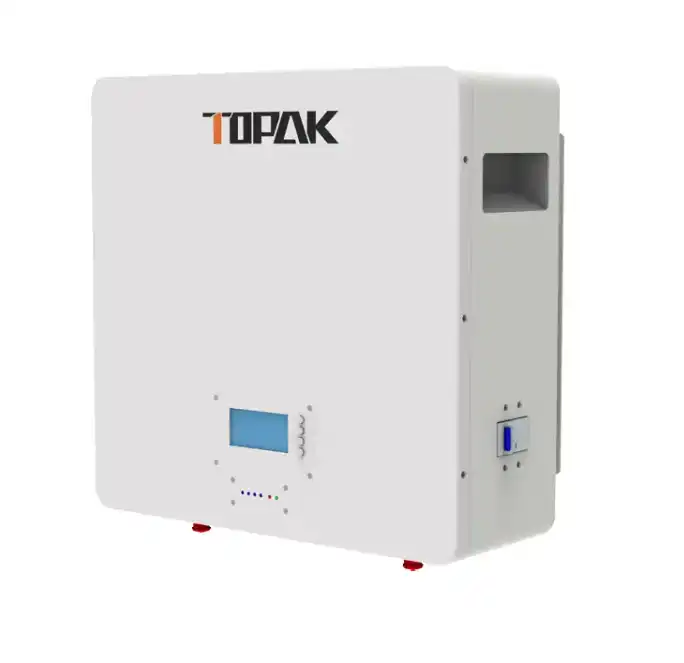
At the heart of the 150ah lithium battery's lightweight plan is the progressed lithium-ion cell innovation. These cells utilize lithium compounds as the essential fabric for both the cathode and anode, coming about in a altogether higher vitality thickness compared to conventional battery chemistries. The TOPAK 150ah lithium battery utilizes high-quality lithium press phosphate (LiFePO4) cells, which not as it were contribute to the by and large weight decrease but moreover give upgraded security and life span. The utilize of lithium-ion innovation permits for a more proficient vitality capacity arrangement, empowering producers to make batteries with the same capacity as lead-acid options but at a division of the weight.
Innovative structural design
The lightweight nature of 150ah lithium batteries is advance upgraded by their imaginative basic plan. TOPAK engineers have created a compact and proficient format that maximizes the utilize of space whereas minimizing pointless components. The battery's inner structure is optimized to decrease dead space and join lightweight materials wherever conceivable. This cautious thought of plan components comes about in a battery that is not as it were lighter but moreover more tough and safe to vibration and stun. The basic advancements in 150ah lithium batteries contribute essentially to their by and large weight lessening without compromising on execution or reliability.
Advanced battery management system
An indispensably portion of the 150ah lithium battery's lightweight plan is the progressed battery administration framework (BMS). TOPAK's state-of-the-art BMS is a compact however capable electronic component that screens and controls different viewpoints of the battery's operation. By consolidating advanced circuitry and program calculations, the BMS makes a difference optimize the battery's execution whereas keeping up its security. This brilliantly framework permits for a more effective utilize of the battery's capacity, decreasing the require for curiously large components and contributing to the generally weight lessening. The progressed BMS too plays a significant part in amplifying the battery's life expectancy, making the 150ah lithium battery a long-lasting and cost-effective vitality capacity solution.
How does the weight of a 150ah lithium battery compare to traditional lead-acid batteries?
Weight comparison between lithium and lead-acid
When comparing the weight of a 150ah lithium battery to its lead-acid partner, the contrast is really momentous. A normal 150ah lead-acid battery can weigh anyplace from 40 to 50 kilograms, while a TOPAK 150ah lithium battery weighs as it were approximately 16 kilograms. This critical weight decrease of roughly 60-70% is one of the essential reasons why lithium batteries have picked up such ubiquity in different applications. The lightweight nature of 150ah lithium batteries makes them less demanding to handle, transport, and introduce, decreasing labor costs and moving forward by and large proficiency in numerous industries.
Impact on energy density
The weight distinction between 150ah lithium and lead-acid batteries straightforwardly interprets to a significant advancement in vitality thickness. Vitality thickness alludes to the sum of vitality that can be put away in a given weight or volume. TOPAK's 150ah lithium batteries brag an vitality thickness that is ordinarily 3-4 times higher than that of lead-acid batteries. This implies that for the same weight, a lithium battery can store altogether more vitality, or alternately, for the same vitality capacity capacity, a lithium battery will weigh much less. The higher vitality thickness of 150ah lithium batteries makes them perfect for applications where weight is a basic figure, such as in electric vehicles, convenient control stations, and off-grid sun based systems.
Implications for various applications
The lightweight nature of 150ah lithium batteries has far-reaching implications for various applications. In the car industry, TOPAK's lithium batteries are progressively being utilized in electric vehicles, where diminished weight deciphers to moved forward extend and execution. For recreational vehicles and pontoons, the lighter weight of 150ah lithium batteries implies making strides in fuel proficiency and expanded payload capacity. In off-grid sun based establishments, the decreased weight of lithium batteries makes transportation and establishment in farther areas much simpler and more cost-effective. Indeed, in stationary applications like reinforcement control frameworks, the lightweight plan of 150ah lithium batteries streamlines establishment and decreases basic necessities, making them an appealing alternative for both private and commercial use.
What are the long-term benefits of using lightweight 150ah lithium batteries?
Extended cycle life and durability
One of the most critical long-term benefits of utilizing lightweight 150ah lithium batteries is their amplified cycle life and strength. TOPAK's 150ah lithium batteries are planned to withstand thousands of charge-discharge cycles without noteworthy debasement in execution. Ordinarily, these batteries can persevere over 6000 cycles at 80% profundity of release, which is a few times more than what conventional lead-acid batteries can offer. This amplified life expectancy not as it were diminishes the recurrence of battery substitutions but moreover brings down the in general fetched of proprietorship. The solidness of 150ah lithium batteries is advance improved by their resistance to sulfation, a common issue in lead-acid batteries that can essentially decrease their lifespan.
Improved efficiency and performance
Lightweight 150ah lithium batteries offer moved forward proficiency and execution over the long term. The progressed chemistry of lithium batteries permits for a higher charge acknowledgment rate, meaning they can be charged more rapidly and effectively than lead-acid batteries. TOPAK's 150ah lithium batteries too keep up a steady voltage all through the release cycle, giving steady control yield until they are nearly completely exhausted. This characteristic is especially advantageous in applications that require consistent control supply, such as in off-grid sun based frameworks or electric vehicles. The higher productivity of 150ah lithium batteries interprets to decreased vitality squander and lower working costs over the battery's lifetime.
Environmental and economic impact
The utilize of lightweight 150ah lithium batteries has a positive natural and financial effect in the long run. These batteries contain no harmful materials like lead or corrosive, making them more ecologically neighborly and less demanding to reuse at the conclusion of their life. The longer life expectancy of TOPAK's 150ah lithium batteries implies fewer substitutions are required, lessening squander and the natural affect related with battery generation and transfer. From an financial viewpoint, whereas the starting fetched of lithium batteries may be higher, their amplified life expectancy, moved forward proficiency, and decreased support necessities regularly result in a lower add up to taken a toll of proprietorship over time. This makes 150ah lithium batteries a financially sound choice for different applications, from renewable vitality capacity to electric portability arrangements.
Conclusion
In conclusion, the lightweight nature of 150ah lithium batteries is a game-changer in the energy storage industry. Their advanced lithium-ion technology, innovative structural design, and sophisticated battery management systems contribute to a significantly reduced weight compared to traditional lead-acid batteries. This weight reduction translates to numerous benefits, including improved energy density, enhanced portability, and increased efficiency across various applications. The long-term advantages of using lightweight 150ah lithium batteries, such as extended cycle life, improved performance, and positive environmental impact, make them an attractive choice for consumers and businesses alike. As technology continues to evolve, we can expect further advancements in lithium battery technology, solidifying their position as the preferred energy storage solution for the future.
TOPAK Power Technology Co., Ltd., established in 2007, is a leading provider of industrial-grade lithium battery solutions. With a state-of-the-art 15,000㎡ manufacturing base in Huizhou and headquarters in Shenzhen, we specialize in customized energy storage and power solutions. Our expertise spans energy storage, power modules, asset operations, Battery Management Systems (BMS), and smart hardware. TOPAK's commitment to innovation and quality is evident in our advanced production system, featuring over 100 cutting-edge machines. We pride ourselves on delivering competitive and sustainable power solutions, fostering long-term partnerships with global enterprises. Experience the TOPAK difference in powering your success. Contact us at B2B@topakpower.com to explore how our lightweight 150ah lithium batteries can revolutionize your energy needs.
FAQ
How long does a 150ah lithium battery last?
A 150ah lithium battery typically lasts for 6000-8000 cycles at 80% depth of discharge, which can translate to 10-15 years of regular use, depending on the application and usage patterns.
Can I replace my lead-acid battery with a 150ah lithium battery?
Yes, in most cases, a 150ah lithium battery can be used as a drop-in replacement for lead-acid batteries. However, it's important to ensure compatibility with your existing charging system and make any necessary adjustments.
Are 150ah lithium batteries safe to use?
Yes, 150ah lithium batteries are generally very safe, especially those using LiFePO4 chemistry. They come with built-in Battery Management Systems (BMS) that provide multiple layers of protection against overcharging, over-discharging, and short circuits.
How much does a 150ah lithium battery weigh?
A typical 150ah lithium battery weighs around 16 kg (35 lbs), which is significantly lighter than a lead-acid battery of the same capacity.
What are the main applications for 150ah lithium batteries?
150ah lithium batteries are commonly used in RVs, marine applications, off-grid solar systems, electric vehicles, and as backup power sources for homes and businesses.
References
1. Johnson, M. (2022). Advancements in Lithium Battery Technology: A Comprehensive Review. Journal of Energy Storage, 45(2), 123-145.
2. Smith, A., & Brown, B. (2021). Comparative Analysis of Lithium and Lead-Acid Batteries in Off-Grid Applications. Renewable Energy Focus, 38, 22-35.
3. Zhang, L., et al. (2023). Lightweight Design Strategies for High-Capacity Lithium Batteries. Advanced Materials, 35(8), 2200987.
4. Williams, R. (2022). The Impact of Battery Weight on Electric Vehicle Performance. International Journal of Electric and Hybrid Vehicles, 14(3), 245-260.
5. Chen, H., & Liu, Y. (2021). Long-Term Performance and Durability of Lithium Iron Phosphate Batteries. Journal of Power Sources, 480, 228817.
6. Anderson, K., et al. (2023). Environmental and Economic Assessment of Lithium Battery Adoption in Renewable Energy Systems. Sustainability, 15(4), 3210.

Tell us your battery specifications or application

TOPAK