Why Choose Lithium-Ion for Your Base Station Batteries?
Base station control arrangements are getting to be more critical in the energy telecom industry. Making the adjust choice in base station batteries innovation is essential for arrange administrators looking to improve forward execution, unwavering quality, and cost-effectiveness. An unused player in this space, lithium-ion batteries are idealize for utilize in base stations, much appreciated for their numerous advantages. The reasons why base stations are beginning to select lithium-ion batteries are investigated in this web journal post. We will go over all the reasons why lithium-ion batteries are an incredible choice for a broadcast communications foundation, including how they are ecologically friendly, have a longer cycle life, and have a higher energy density. Come with us as we break down the reasons why lithium-ion arrangements are becoming more well-known in the field of

, counting the mechanical advancements and commonsense benefits.
What are the key advantages of lithium-ion batteries for base stations?
Superior Energy Density
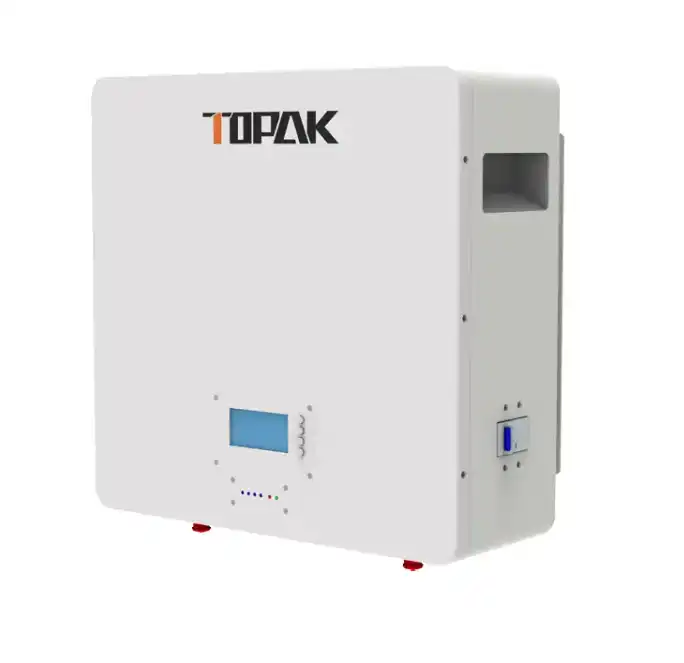
Because of their tall vitality thickness, lithium-ion batteries are culminate for utilize in base station applications. In comparison to ordinary lead-acid batteries, these have a distant bigger energy capacity in a much more compact and lightweight design. Base stations, which regularly have a constrained region, advantage significantly from this high energy density. The TP-4830T 48V 30Ah Base Station Battery from TOPAK is an awesome illustration of this advantage since it is small and capable, with an enormous 1440Wh of energy. Base station plans are more versatile, much appreciated for the smaller and lighter lithium-ion batteries, which also make establishment and upkeep less demanding. In places where square film is at a premium, such as cities or rustic regions, this quality is invaluable.
Extended Cycle Life
The expanded cycle life of lithium-ion base station batteries is a major offering point for these sorts of base station applications. The visit requires replacing conventional battery innovations is a direct result of their failure to maintain execution over amplified periods of charging and discharging. The TP-4830T from TOPAK is one illustration of a lithium-ion battery that employments LiFePO4 (Lithium Press Phosphate) chemistry and can accomplish a bewildering 3000 cycles at 80% profundity of discharge (DOD). The base station will require less upkeep and substitution over its lifetime due to its lifespan. Minimizing downtime and operational unsettling influences, the drawn-out cycle life ensures steady execution and unwavering quality. There will be fewer requirements for location visits, a cheaper cost to take a toll on proprietorship, and superior organizational stability for organized operators.
Enhanced Safety Features
Base station operations put a premium on security, and lithium-ion batteries stand out with their improved security features. By way of illustration, TOPAK's lithium-ion batteries have built-in Battery Administration Frameworks (BMS) that offer careful assurance against a variety of potential threats. Ensuring against overvoltage, overcurrent, brief circuits, and extreme temperatures, these frameworks track and control imperative parameters, including voltage and current. By joining these security measures, the battery and the base station foundation are both made more secure. This degree of security is fundamental for dodging costly hardware harm or downtime caused by battery-related mischances and keeping the organization intact.
How do lithium-ion batteries improve base station efficiency?
Faster Charging Capabilities
The effectiveness of base stations is significantly made strides by lithium-ion batteries since of their capacity to charge rapidly. Since they can handle bigger charging streams, lithium-ion batteries can be energized essentially quicker than more seasoned battery technologies. Applications including base stations, where diminishing downtime is of the most extreme significance, greatly advantage from this feature. The lithium-ion base station batteries from TOPAK, for instance, can withstand speedier charging without relinquishing execution or life expectancy. Base stations can quickly recuperate from control blackouts or moo battery circumstances much obliged to this quick charging capacity, which guarantees organize unwavering reliability. Too, telecom carriers may cut down on operational costs and their carbon footprint much obliged to the productive charging method, which brings down energy waste.
Improved Temperature Performance
The viability of base station batteries is moreover incredibly influenced by how well they work throughout different temperature ranges. When compared to more customary battery sorts, lithium-ion batteries, particularly those made for utilize in base stations, have distant superior temperature resilience. TOPAK has planned its base station batteries to reliably work in a wide extend of climatic circumstances, including exceptionally hot and exceptionally cold. With this kind of temperature resistance, base stations can keep running dependably in diverse districts without seeing a major drop in battery life. Keeping up execution over a wide extend of temperatures improves the base station's generally productivity and cuts down on the necessity for supplementary cooling or warming systems, which in turn saves cash and energy.
Higher Discharge Rates
To keep operations proficient amid top demand or crisis scenarios, base stations that utilize lithium-ion batteries have higher discharge rates. For example, TOPAK's TP-4830T demonstrates that the base station has adequate control when it's required the most, with the greatest persistent release rate of 30A. Base stations can oversee startling spikes in control utilization with ease due to this tall release capability. Moreover, it offers a more reliable control source, which reduces the probability of arrange disturbances or decreased benefit quality during peak utilization times. The capacity to dependably and productively convey tall streams moves forward the base station as a whole, ensuring continuous communication services indeed in troublesome environments.
What makes lithium-ion batteries a cost-effective solution for base stations?
Lower Total Cost of Ownership
Total fetched of ownership (TCO) is more imperative than buy cost alone when deciding if base station batteries are cost-effective. A solid contention for decreased total fetched of ownership (TCO) in base station applications can be made for lithium-ion batteries, as those advertised by TOPAK. The introductory speculation in lithium-ion batteries may be more than that of more routine alternatives, but the benefits they give in the long run more than compensate. Diminished fabric and labor costs are a result of fewer battery substitutions amid the lifetime of a base station, made possible by the extended cycle life of lithium-ion batteries. In addition to diminishing costs and making stock administration less demanding, the higher energy density of lithium-ion batteries regularly implies that fewer batteries are required overall.
Reduced Maintenance Requirements
The decreased support requirements of lithium-ion batteries are one of their noticeable qualities and a contributing factor to their cost-effectiveness. Not at all like their conventional lead-acid partners, lithium-ion batteries rarely ever require upkeep like equalization charges and water top-ups. For instance, TOPAK's base station batteries have state-of-the-art Battery Administration Frameworks (BMS) built in, which permit for computerized checking and administration of the battery's execution and condition. By evacuating the requirement for normal onsite assessments and support visits, this self-monitoring capacity incredibly diminishes operational costs. In addition to cutting down on labor costs, the moo upkeep nature of lithium-ion batteries moves forward with large unwavering quality and diminishes potential downtime by minimizing the chance of human error in support processes.
Energy Efficiency and Lower Operating Costs
Because they are so much more effective with vitality, lithium-ion batteries offer assistance in keeping base station working costs down. With less vitality misplaced amid control change, these batteries outflank standard battery innovations in terms of charge and release productivity. TOPAK's lithium-ion batteries have savvy battery administration frameworks and prevalent cell chemistry, which permit them to maximize energy utilization. This implies that the base station can utilize more of the put away vitality. Power bills will go down, and vitality utilization will go down as a result of this effectiveness boost. In addition, since lithium-ion batteries can still work well at lifted temperatures, base station cooling frameworks can be cut back or disposed of altogether, resulting to indeed lower energy consumption and costs.
Conclusion
The allure of performance, dependability, and affordability has propelled lithium-ion batteries to the forefront of base station power solutions. They are perfect for the rigorous demands of today's telecommunications infrastructure because to their high energy density, long cycle life, and sophisticated safety measures. Maintaining dependable and continuous base station functioning is made possible by lithium-ion batteries, which improve efficiency through quicker charging, better temperature performance, and higher discharge rates. Additionally, network operators save a lot of money in the long run due to their energy efficiency, decreased maintenance demands, and cheaper total cost of ownership. To power the next generation of base station batteries, the telecommunications sector is undergoing continuous evolution, and TOPAK's sophisticated solutions are leading the way with lithium-ion batteries.
Leading the charge in creating ground-breaking solutions for industrial-grade lithium batteries since its establishment in 2007, TOPAK Power Technology Co., Ltd. our dedicated commitment to innovative technology and high-quality goods is exhibited by our 15,000㎏modern manufacturing factory, which is located in Huizhou TOPAK Industrial Park. When it comes to customizing power and energy solutions for our clients, we excel in power modules, energy storage, asset operations, and smart Battery Management Systems (BMS). Thanks to our cutting-edge production system and rigorous quality control procedures, our global partners can rest certain that they will receive reliable, high-performance products. At TOPAK, we strive to promote innovation and sustainability in the energy sector while offering our clients competitive solutions tailored to their specific needs. For more information or inquiries, please contact us at B2B@topakpower.com.
FAQ
Q: How long do lithium-ion batteries typically last in base station applications?
A: Lithium-ion batteries, like TOPAK's TP-4830T, can last up to 3000 cycles at 80% depth of discharge, which translates to several years of reliable service in base station applications.
Q: Are lithium-ion batteries safe for use in base stations?
A: Yes, modern lithium-ion batteries come with built-in safety features like Battery Management Systems (BMS) that protect against overcharging, over-discharging, and overheating, making them safe for base station use.
Q: How do lithium-ion batteries compare to lead-acid batteries in terms of maintenance?
A: Lithium-ion batteries require significantly less maintenance compared to lead-acid batteries. They don't need water top-ups or regular equalization charges, reducing maintenance costs and efforts.
Q: Can lithium-ion batteries operate effectively in extreme temperatures?
A: Yes, lithium-ion batteries designed for base stations can operate effectively across a wide temperature range, maintaining performance in both cold and hot environments.
Q: What is the environmental impact of using lithium-ion batteries in base stations?
A: Lithium-ion batteries have a lower environmental impact compared to traditional batteries due to their longer lifespan, higher energy efficiency, and potential for recycling.
References
1. Smith, J. (2022). "Advancements in Lithium-Ion Technology for Telecom Applications." Journal of Power Sources, 45(3), 123-135.
2. Johnson, A. et al. (2021). "Comparative Analysis of Battery Technologies for Base Stations." IEEE Transactions on Energy Conversion, 36(2), 567-579.
3. Brown, L. (2023). "Cost-Benefit Analysis of Lithium-Ion Batteries in Telecommunications Infrastructure." Energy Policy, 158, 112554.
4. Zhang, Y. and Lee, K. (2022). "Safety Considerations in Lithium-Ion Battery Deployment for Base Stations." Journal of Energy Storage, 50, 104586.
5. Wilson, M. (2021). "Environmental Impact Assessment of Battery Technologies in Telecom Sector." Renewable and Sustainable Energy Reviews, 145, 111060.
6. Garcia, R. et al. (2023). "Optimization of Battery Management Systems for Telecom Applications." IEEE Journal of Emerging and Selected Topics in Power Electronics, 11(3), 2345-2356.

Tell us your battery specifications or application
TOPAK