When calculating the required ventilation rate for wall mounted battery, it's crucial to apply appropriate safety factors and adhere to relevant standards. Industry guidelines, such as those provided by the Institute of Electrical and Electronics Engineers (IEEE) or the National Fire Protection Association (NFPA), offer recommendations for ventilation rates based on battery type and installation conditions. These standards often include safety factors to account for variations in environmental conditions and potential gas accumulation. By incorporating these safety factors and following established standards, you can ensure that your wall-mounted battery installation meets or exceeds the necessary ventilation requirements for safe and efficient operation.
Calculate required ventilation rate for my wall-mounted batteries?
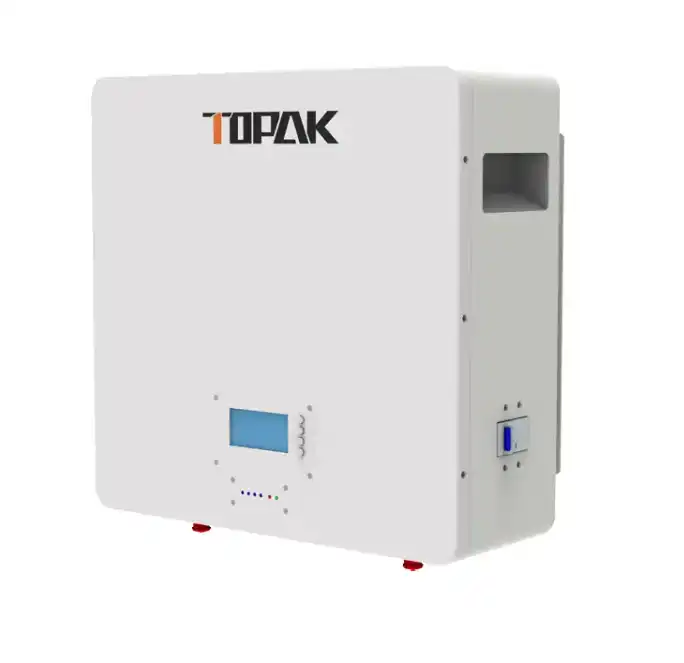
Determining the appropriate ventilation rate for wall mounted battery systems is crucial for ensuring their optimal performance, longevity, and safety. As energy storage solutions become increasingly popular in residential and commercial settings, it's essential to understand the importance of proper ventilation for these systems. Wall-mounted batteries, such as the TP-48200W 51.2V 200Ah Wall-mounted Energy Storage Battery, require careful consideration when it comes to ventilation to prevent the buildup of potentially harmful gases and maintain ideal operating temperatures. This blog post will explore the factors involved in calculating the required ventilation rate for wall-mounted batteries, providing valuable insights for homeowners, businesses, and installers looking to maximize the efficiency and safety of their energy storage systems.

What factors influence the ventilation requirements for wall-mounted batteries?
Battery chemistry and composition
The chemistry and composition of wall-mounted batteries play a significant role in determining their ventilation requirements. Lithium-ion batteries, like the TP-48200W 51.2V 200Ah Wall-mounted Energy Storage Battery, have different ventilation needs compared to lead-acid or other battery types. The specific chemical reactions occurring within the battery cells can produce gases that need to be safely dispersed. To figure out the right air rate and make sure your wall-mounted battery works at its best and is safe, you need to know the specifics of its makeup.
Room size and configuration
The dimensions and layout of the room where the wall mounted battery is installed greatly impact the ventilation requirements. Larger rooms may naturally provide better air circulation, while smaller, enclosed spaces may require additional ventilation measures. When calculating the required ventilation rate for your wall-mounted batteries, consider factors such as ceiling height, room volume, and the presence of windows or other openings. These factors will affect how fast air can be moved and help you figure out what kind of ventilation system your energy storage option needs to keep it safe and working well.
Environmental conditions
Environmental factors, such as temperature, humidity, and altitude, can significantly affect the ventilation needs of wall-mounted batteries. Higher temperatures could speed up the chemical processes inside the battery, which could cause more gas to be produced and the need for better air flow. In the same way, high humidity can affect how well the battery works and may need more air flow to avoid problems caused by wetness. When figuring out how much air flow your wall-mounted batteries need, it's important to take these external factors into account to make sure they work well and last a long time.
How do I calculate the minimum ventilation rate for my wall-mounted battery installation?
Determining the hydrogen gas generation rate
To calculate the minimum ventilation rate for your wall-mounted battery installation, you must first determine the hydrogen gas generation rate. This rate depends on factors such as the battery's capacity, charging current, and the number of cells. For lithium-ion wall-mounted batteries like the TP-48200W, hydrogen gas generation is typically minimal. However, it's still important to consider this factor when designing your ventilation system. Consult the manufacturer's specifications or an expert to obtain accurate hydrogen gas generation rates for your specific wall-mounted battery model.
Applying safety factors and standards
Using ventilation rate calculation formulas
To determine the precise ventilation rate for your wall-mounted battery installation, you can use specific calculation formulas. These formulas typically take into account factors such as the hydrogen gas generation rate, room volume, and desired hydrogen concentration limit. One common formula is Q = (f * q * s * n) / (C_lim - C_amb), where Q is the required ventilation rate, f is the safety factor, q is the hydrogen evolution rate per cell, s is the number of cells, n is the number of battery strings, C_lim is the hydrogen concentration limit, and C_amb is the ambient hydrogen concentration. By inputting the appropriate values for your wall-mounted battery system, you can calculate the necessary ventilation rate to maintain a safe operating environment.
What are the best practices for ventilating wall-mounted battery installations?
Proper placement and spacing
Ensuring proper placement and spacing of wall-mounted batteries is crucial for effective ventilation. When installing systems like the TP-48200W 51.2V 200Ah Wall-mounted Energy Storage Battery, consider factors such as clearance from walls, ceilings, and other objects. Having enough space between the battery units lets air flow better around them, which keeps heat from building up and makes it easier for any gases that are made to escape. Also, wall-mounted batteries shouldn't be put near heat sources or places where air doesn't flow well. By carefully planning the layout and placement of your wall-mounted battery installation, you can get the most out of natural air flow and cut down on the need for extra ventilation systems.
Implementing mechanical ventilation systems
In cases where natural ventilation is insufficient, implementing mechanical ventilation systems can help maintain optimal conditions for wall mounted battery. Some of these systems have exit fans, ducting, and air entry vents that are meant to keep the air moving around the battery placement in a controlled way. When choosing and fitting mechanical ventilation for wall mounted battery, consider factors such as the needed air exchange rate, noise levels, and energy efficiency. Additionally, it is important to make sure that the air system works with your wall mounted battery type (like the TP-48200W) and follows all safety rules and laws in your area.
Regular maintenance and monitoring
To ensure the continued effectiveness of your ventilation system for wall-mounted batteries, regular maintenance and monitoring are essential. This includes checking and cleaning ventilation parts like fans and pipes to keep dust from building up and keep movement at its best. Setting up a tracking system to keep an eye on the temperature, humidity, and air quality in the area where the batteries will be installed can also help find problems before they get too bad. For wall-mounted batteries like the TP-48200W, which features advanced communication options such as CAN/RS485 and optional Bluetooth or 4G modules, integrating ventilation monitoring into your overall battery management system can provide real-time data and alerts for improved safety and performance.
Conclusion
Calculating the required ventilation rate for wall mounted battery is a critical aspect of ensuring their safe and efficient operation. By considering factors such as battery chemistry, room configuration, and environmental conditions, and applying appropriate calculation methods and safety standards, you can create an optimal ventilation system for your energy storage installation. Implementing best practices for placement, mechanical ventilation, and ongoing maintenance will further enhance the performance and longevity of your wall mounted battery, providing reliable and sustainable power solutions for various applications.
TOPAK Power Technology Co., Ltd., established in 2007, is a leading provider of industrial-grade lithium battery solutions. Our expertise in energy storage, power modules, asset operations, Battery Management Systems (BMS), and smart hardware positions us at the forefront of the industry. With state-of-the-art production facilities and a commitment to innovation, TOPAK delivers competitive and sustainable power solutions tailored to diverse application environments. Our long-standing partnerships with renowned global enterprises attest to our dedication to quality and reliability. Experience the TOPAK difference in wall-mounted battery solutions and join us in shaping the future of energy storage. For more information, contact us at B2B@topakpower.com.
FAQ
Q: How often should I inspect the ventilation system for my wall-mounted batteries?
A: It's recommended to inspect your ventilation system at least quarterly, or more frequently in harsh environments.
Q: Can I rely solely on natural ventilation for my wall-mounted battery installation?
A: Natural ventilation may be sufficient in some cases, but it's best to consult with an expert to determine if additional mechanical ventilation is needed.
Q: What are the signs that my wall-mounted battery ventilation system is inadequate?
A: Signs include excessive heat buildup, condensation on surfaces, or unusual odors in the battery installation area.
Q: Are there specific ventilation requirements for indoor vs. outdoor wall-mounted battery installations?
A: Yes, indoor installations typically require more careful ventilation planning due to limited natural airflow compared to outdoor setups.
References
1. Institute of Electrical and Electronics Engineers. (2020). IEEE 1635-2020 - IEEE/ASHRAE Guide for the Ventilation and Thermal Management of Batteries for Stationary Applications.
2. National Fire Protection Association. (2022). NFPA 855: Standard for the Installation of Stationary Energy Storage Systems.
3. Dahn, J., & Ehrlich, G. M. (2011). Lithium-Ion Batteries. In Linden's Handbook of Batteries (4th ed.). McGraw-Hill Education.
4. Wang, Q., Ping, P., Zhao, X., Chu, G., Sun, J., & Chen, C. (2012). Thermal runaway caused a fire and explosion of lithium-ion battery. Journal of Power Sources, 208, 210-224.
5. Beauregard, G. P. (2017). Report on HP Li-ion battery packs recalls - Lessons learned. 2017 Ninth Annual IEEE Energy Conversion Congress and Exposition (ECCE).
6. Miao, Y., Hynan, P., von Jouanne, A., & Yokochi, A. (2019). Current Li-Ion Battery Technologies in Electric Vehicles and Opportunities for Advancements. Energies, 12(6), 1074.

Tell us your battery specifications or application

TOPAK