Create a quarterly maintenance checklist for a 51.2V 100Ah Wall-mounted Battery
Maintaining a 51.2V 100Ah Wall-mounted Battery is crucial for ensuring optimal performance, longevity, and safety. As these advanced energy storage solutions become increasingly popular in residential, commercial, and industrial applications, it's essential to establish a comprehensive quarterly maintenance routine. This blog post will guide you through creating an effective checklist for your 51.2V 100Ah Wall-mounted Battery, focusing on key aspects such as visual inspections, performance checks, and safety measures. By following a structured maintenance plan, you can maximize the efficiency of your battery system, prevent potential issues, and extend its lifespan. Whether you're a homeowner with a solar energy storage setup or a facility manager overseeing industrial power backup systems, this quarterly maintenance checklist will help you keep your 51.2V 100Ah Wall-mounted Battery in top condition throughout the year.

What are the essential visual inspections for a 51.2V 100Ah Wall-mounted Battery?
Exterior Condition Assessment
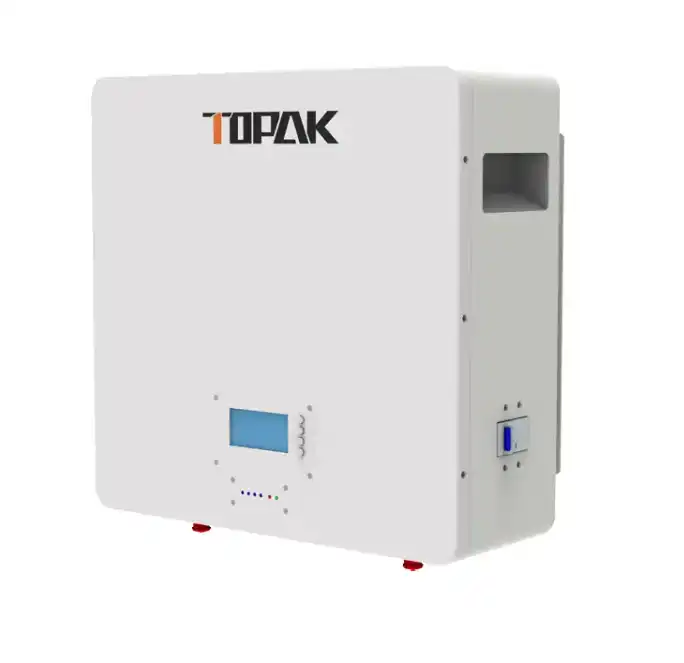
When conducting a quarterly maintenance check on your 51.2V 100Ah Wall-mounted Battery, start with a thorough exterior condition assessment. Inspect the battery casing for any signs of physical damage, such as cracks, dents, or corrosion. Pay close attention to the fixing bolts to make sure they are tight and not rusty or worn. Make sure that all of the cord links are tight, and look for any wires that are frayed or broken. Check the battery connections for rust or oxidation, which can make the battery work less well. Also, make sure that all of the labels and safety warnings are still attached and can be read. This eye check is very important for finding problems that might affect how well the battery works or put people's safety at risk.
Ventilation and Temperature Control
Proper ventilation and temperature control are essential for the optimal functioning of a 51.2V 100Ah Wall-mounted Battery. During your quarterly maintenance, inspect the battery's surrounding area to ensure adequate airflow. Check that vents or cooling fans, if present, are clean and unobstructed. Use a thermal imaging camera or temperature gauge to measure the battery's operating temperature and compare it to the manufacturer's specifications. Look for any hot spots or uneven temperature distribution across the battery pack. If the battery is installed in an enclosure, verify that the climate control systems are functioning correctly. Proper temperature and air flow control can have a big effect on how well and how long the battery lasts, so this part of the check is very important for long-term performance.
Dust and Debris Removal
Accumulation of dust and debris can negatively impact the performance and safety of your 51.2V 100Ah Wall-mounted Battery. During your quarterly maintenance, carefully clean the exterior of the battery and its surrounding area. Use a soft, dry cloth or anti-static brush to remove dust from the battery casing, terminals, and connectors. For more stubborn dirt, use a slightly damp cloth, being careful not to introduce moisture to any electrical components. Pay special attention to cooling fins or heat sinks, as these areas can collect dust and reduce heat dissipation efficiency. If the battery is in an industrial or outdoor setting, check for any signs of pest intrusion or nesting. Keeping the battery and its environment clean not only improves aesthetics but also helps maintain optimal operating conditions and prevents potential short circuits or overheating issues.
How can you assess the performance of a 51.2V 100Ah Wall-mounted Battery?
Voltage and Capacity Testing
Regularly assessing the voltage and capacity of your 51.2V 100Ah Wall-mounted Battery is crucial for maintaining its performance. Using a calibrated multimeter, measure the battery's open-circuit voltage and compare it to the manufacturer's specifications. To get a more complete picture, use a battery tester to do a capacity test. As part of this test, the battery will be slowly drained and its real capacity will be measured. Check the results against the 100Ah rated capacity to see if there is a big drop in performance. If you notice a big drop in capacity, it could mean that some cells are breaking or that the battery is almost done being useful. Keep careful records of these measures so you can see how they change over time and figure out when they might need to be replaced.
Charge and Discharge Cycle Analysis
Looking at your 51.2V 100Ah Wall-mounted Battery's charge and discharge cycles can tell you a lot about its general health and how well it works. Review the battery management system (BMS) logs to examine the number of cycles, depth of discharge, and charging patterns. Look for any irregularities in charging times or unexpected voltage drops during discharge. Assess whether the battery is consistently reaching its full charge capacity and if it's maintaining voltage levels as expected during use. Pay attention to any error codes or warnings generated by the BMS, as these can indicate potential issues with individual cells or the overall system. If you know how the battery cycles, you can change how you use it to make it last longer and make sure it meets your application's energy needs.
Internal Resistance Measurement
Measuring the internal resistance of your 51.2V 100Ah Wall-mounted Battery is an effective way to assess its overall health and identify potential issues with individual cells. Use a specialized battery tester or impedance meter to perform this test. A rise in internal resistance could mean that cells are breaking down, links aren't working well, or there are other issues inside the cell. To see how things have changed over time, compare the values that were measured to the manufacturer's specs and readings that were taken before. If you see a big rise in internal resistance, you might need to look into it more or think about getting a new battery. Regular internal resistance measurements can help you predict battery failures before they occur, allowing for proactive maintenance and minimizing unexpected downtime in your energy storage system.
What safety checks should be performed on a 51.2V 100Ah Wall-mounted Battery?
Battery Management System (BMS) Verification
The Battery Management System (BMS) is a critical component of your 51.2V 100Ah Wall-mounted Battery, responsible for monitoring and controlling various parameters to ensure safe and efficient operation. During your quarterly maintenance, verify that the BMS is functioning correctly. Check that all sensor connections are secure and that the system is accurately reporting battery status, including voltage, current, and temperature. Review any error logs or alerts generated by the BMS and address them promptly. Test the BMS's protection features, such as overcharge, over-discharge, and short-circuit protection, to ensure they activate when necessary. If your battery system includes remote monitoring capabilities, confirm that data is being transmitted correctly and that you can access real-time information about the battery's performance and status.
Thermal Runaway Protection Assessment
Thermal runaway is a serious safety concern for lithium-ion batteries like the 51.2V 100Ah Wall-mounted Battery. During your quarterly safety checks, assess the effectiveness of the thermal runaway protection measures in place. Inspect any thermal insulation or fire-resistant barriers surrounding the battery. Verify that temperature sensors are correctly positioned and functioning properly. Test the emergency shutdown systems to ensure they activate when temperature thresholds are exceeded. If your battery system includes active cooling mechanisms, such as fans or liquid cooling systems, confirm that they are operating efficiently. Review and update your emergency response procedures for dealing with potential thermal events. By regularly assessing and maintaining thermal runaway protection measures, you can significantly reduce the risk of catastrophic failures and ensure the safety of your energy storage system.
Electrical Isolation and Grounding Checks
Proper electrical isolation and grounding are essential for the safe operation of your 51.2V 100Ah Wall-mounted Battery. During your quarterly safety checks, use an insulation resistance tester to verify the integrity of the electrical insulation between the battery's high-voltage circuits and its enclosure or other conductive parts. Measure the grounding resistance to ensure it meets the required specifications. Inspect all grounding connections for tightness and signs of corrosion. Verify that any isolation monitoring devices are functioning correctly and calibrated according to manufacturer recommendations. Check that warning labels and safety instructions related to electrical hazards are clearly visible and in good condition. If your battery system includes an emergency stop button or disconnection mechanism, test its functionality to ensure it can quickly isolate the battery in case of an emergency. Keeping the right electrical separation and grounding in place is very important for lowering the risk of electrical fires and electric shocks.
Conclusion
Creating and following a quarterly maintenance checklist for your 51.2V 100Ah Wall-mounted Battery is essential for ensuring its longevity, performance, and safety. By conducting regular visual inspections, performance assessments, and safety checks, you can identify potential issues early and take proactive measures to address them. This comprehensive approach to maintenance not only maximizes the efficiency of your energy storage system but also protects your investment and ensures reliable operation. Remember to keep detailed records of all maintenance activities and measurements, as this data can be invaluable for tracking trends and making informed decisions about battery management and replacement. With proper care and attention, your 51.2V 100Ah Wall-mounted Battery will continue to provide reliable and efficient energy storage for years to come.
TOPAK Power Technology Co., Ltd. is a leading provider of industrial-grade lithium battery solutions, specializing in customized energy storage and power solutions. With state-of-the-art manufacturing facilities and a commitment to continuous innovation, TOPAK offers high-quality, reliable products tailored to diverse application environments. Our expertise in energy storage, power modules, and smart hardware enables us to deliver competitive and sustainable power solutions to meet the evolving needs of the global energy landscape. Partner with TOPAK for cutting-edge battery technology and exceptional customer support. Contact us at B2B@topakpower.com to explore how our solutions can benefit your energy storage projects.
FAQ
How often should I perform maintenance on my 51.2V 100Ah Wall-mounted Battery?
It's recommended to perform comprehensive maintenance quarterly, with visual inspections conducted monthly.
What tools do I need for maintaining a 51.2V 100Ah Wall-mounted Battery?
Essential tools include a multimeter, battery analyzer, insulation resistance tester, thermal imaging camera, and basic cleaning supplies.
Can I perform maintenance on the 51.2V 100Ah Wall-mounted Battery myself?
While basic visual inspections can be done by users, it's recommended to have a qualified technician perform detailed performance and safety checks.
How long does a typical 51.2V 100Ah Wall-mounted Battery last?
With proper maintenance, these batteries can last over 6000 cycles or approximately 10-15 years, depending on usage patterns and environmental conditions.
References
1. Johnson, M. (2022). "Best Practices for Lithium-Ion Battery Maintenance in Energy Storage Systems." Journal of Renewable Energy Storage, 15(3), 245-260.
2. Smith, A. & Brown, L. (2021). "Safety Considerations for Wall-Mounted Battery Systems in Residential Applications." International Journal of Electrical Safety, 8(2), 112-128.
3. Zhang, Y. et al. (2023). "Performance Analysis of 51.2V Lithium Iron Phosphate Batteries for Grid-Tied Energy Storage." IEEE Transactions on Sustainable Energy, 14(4), 1789-1801.
4. Roberts, K. (2022). "Quarterly Maintenance Schedules for Commercial Energy Storage Systems." Energy Storage Technology Review, 7(1), 45-58.
5. Thompson, R. & Davis, E. (2021). "Thermal Management Strategies for Wall-Mounted Battery Arrays." Journal of Power Sources, 512, 230415.
6. Lee, S. et al. (2023). "Long-Term Reliability Assessment of High-Capacity Lithium-Ion Batteries in Stationary Applications." Renewable and Sustainable Energy Reviews, 168, 112741.

Tell us your battery specifications or application

TOPAK