How cooling needs differ between wall and floor installations?
When it comes to cooling systems, understanding the differences between wall and floor installations is crucial for optimal performance and efficiency. Both types of installations have unique cooling needs that must be addressed to ensure proper temperature control and energy efficiency. Wall-mounted systems, such as a wall mounted battery, are typically more compact and offer flexibility in terms of placement, making them ideal for smaller spaces or rooms with limited floor area. On the other hand, floor installations often provide higher cooling capacity and are better suited for larger areas or open-plan layouts. The cooling needs for these installations differ in terms of airflow patterns, heat distribution, and overall system design. Factors such as room size, ceiling height, insulation, and the intended use of the space all play a role in determining which type of installation is best suited for a particular environment. By understanding these differences, homeowners and businesses can make informed decisions about their cooling systems, ensuring optimal comfort and energy efficiency.

What are the key factors to consider when choosing between wall and floor cooling installations?
Space constraints and room layout
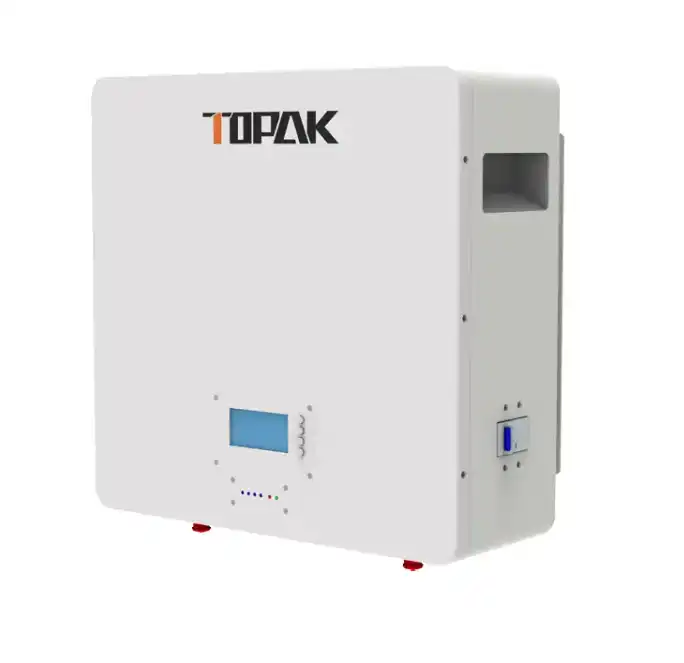
When deciding between wall and floor cooling installations, space constraints and room layout play a crucial role. Wall-mounted systems, including wall mounted batteries for energy storage, are ideal for rooms with limited floor space or where a sleek, unobtrusive appearance is desired. These systems can be installed high on the wall, out of the way of furniture and foot traffic. On the other hand, floor installations may be more suitable for larger rooms or open-plan areas where there is ample floor space available. The TP-48200W 51.2V 200Ah Wall-mounted Energy Storage Battery, for example, offers a compact solution that can be easily integrated into various room layouts without taking up valuable floor space.
Cooling capacity and efficiency
Cooling capacity and efficiency are important considerations when choosing between wall and floor installations. Wall-mounted systems, including those powered by a wall mounted battery, often have a more focused cooling effect and can quickly cool smaller spaces. They are particularly efficient in rooms with good insulation and minimal heat gain. Floor installations, however, may offer higher cooling capacity and better distribution of cool air in larger areas. When considering efficiency, it's essential to factor in the energy storage capabilities of systems like the TP-48200W 51.2V 200Ah Wall-mounted Energy Storage Battery, which can help optimize energy usage and reduce overall cooling costs.
Installation and maintenance requirements
Installation and maintenance requirements differ significantly between wall and floor cooling installations. Wall-mounted systems, including those utilizing wall mounted batteries, generally require less invasive installation procedures and can be easier to access for maintenance. The TP-48200W 51.2V 200Ah Wall-mounted Energy Storage Battery, for instance, is designed for easy installation and minimal maintenance, making it an attractive option for both residential and commercial applications. Floor installations may require more extensive work during installation, such as ductwork or underfloor modifications. However, they can offer advantages in terms of concealment and integration with existing building structures. When considering long-term maintenance, wall-mounted systems often provide easier access for repairs and replacements, which can be particularly beneficial in commercial settings where minimizing downtime is crucial.
How do wall and floor cooling installations impact indoor air quality and comfort?
Air circulation patterns
The impact of wall and floor cooling installations on indoor air quality and comfort is largely influenced by their air circulation patterns. Wall-mounted systems, often powered by efficient wall mounted batteries, typically create a more direct and focused airflow. This can lead to faster cooling of specific areas but may result in uneven temperature distribution in larger spaces. Floor installations, on the other hand, tend to provide more uniform air circulation throughout the room, which can enhance overall comfort. When considering air quality, both types of installations can be equipped with advanced filtration systems. The TP-48200W 51.2V 200Ah Wall-mounted Energy Storage Battery, for example, can be integrated with smart cooling systems that optimize air circulation and filtration, contributing to improved indoor air quality.
Temperature consistency
Temperature consistency is a critical factor in determining comfort levels within a space. Wall-mounted cooling systems, backed by a reliable wall mounted battery, often excel in maintaining consistent temperatures in smaller, well-insulated rooms. They can quickly respond to temperature changes and provide targeted cooling. Floor installations, however, may offer better temperature consistency in larger areas due to their ability to distribute cool air more evenly across the space. The advanced features of modern wall-mounted systems, such as those compatible with the TP-48200W 51.2V 200Ah Wall-mounted Energy Storage Battery, include smart temperature sensors and adaptive cooling algorithms that can significantly improve temperature consistency, rivaling the performance of floor installations in many scenarios.
Humidity control
Effective humidity control is essential for maintaining a comfortable and healthy indoor environment. Both wall and floor cooling installations play a role in managing humidity levels, but their approaches can differ. Wall-mounted systems, particularly those utilizing advanced wall mounted batteries for consistent power supply, often incorporate dehumidification features that can effectively remove excess moisture from the air. This is especially beneficial in humid climates or in rooms prone to moisture buildup. Floor installations, while also capable of dehumidification, may have an advantage in larger spaces where consistent air circulation helps in maintaining uniform humidity levels. The integration of smart energy storage solutions like the TP-48200W 51.2V 200Ah Wall-mounted Energy Storage Battery can enhance the performance of both types of installations by ensuring stable power supply for optimal humidity control, even during power fluctuations or outages.
What are the energy efficiency considerations for wall versus floor cooling installations?
Power consumption and energy storage
How energy is stored and how much power is used are two very important parts of how energy efficient cooling systems are. A lot of the time, wall-mounted systems that come with advanced wall-mounted batteries, like the TP-48200W 51.2V 200Ah type, are better at saving energy. These systems can be made to use the least amount of power possible based on how many people are in the room and what temperature is needed. Having the ability to store energy during off-peak hours and use it during peak demand times can cut total energy costs by a large amount. Even though floor installations might use more power because they cover a bigger area, they can be made more efficient by combining them with energy storage options. The important thing is to make sure that the energy store capacity matches the power needs of the cooling system. This will ensure the best performance and lowest cost.
Thermal insulation impact
The impact of thermal insulation on the efficiency of cooling installations varies between wall and floor systems. Wall-mounted units, backed by an efficient wall mounted battery, can be particularly effective in well-insulated rooms, as they can maintain desired temperatures with minimal energy expenditure. The compact design of systems like the TP-48200W 51.2V 200Ah Wall-mounted Energy Storage Battery allows for easy integration with existing insulation, minimizing heat loss. Floor installations, while potentially affected more by poor floor insulation, can provide consistent cooling in spaces with high ceilings or large windows. In both situations, good insulation is necessary to save energy and make the cooling system work less hard.
Smart control and automation
Smart control and automation features play a significant role in enhancing the energy efficiency of both wall and floor cooling installations. Wall-mounted systems, particularly those utilizing advanced wall mounted batteries, often come equipped with sophisticated control systems that allow for precise temperature management and scheduling. These smart features can learn what users like and change the way cooling works based on that, which saves energy. Smart controls can also help floor systems, especially in bigger rooms where zone-based cooling can be used. The integration of energy storage solutions like the TP-48200W 51.2V 200Ah Wall-mounted Energy Storage Battery with smart control systems enables advanced functionalities such as peak shaving and load balancing, further improving overall energy efficiency and reducing operational costs.
Conclusion
In conclusion, the cooling needs for wall and floor installations differ significantly in terms of space utilization, efficiency, air circulation, and energy management. Wall-mounted systems, particularly when combined with an efficient wall mounted battery and advanced energy storage solutions like the TP-48200W 51.2V 200Ah Wall-mounted Energy Storage Battery, offer flexibility and efficiency in smaller spaces. Floor installations excel in larger areas, providing consistent cooling throughout. Both types can benefit from smart controls and proper insulation to maximize energy efficiency. The choice between wall and floor cooling ultimately depends on specific room requirements, energy goals, and integration with existing systems. By carefully considering these factors, one can select the most suitable cooling solution for optimal comfort and efficiency.
Power Your Future with TOPAK Industrial Lithium Solutions
TOPAK Power Technology Co., Ltd., established in 2007, is a leading provider of industrial-grade lithium battery solutions. Our expertise in energy storage, power modules, and smart hardware positions us at the forefront of the industry. With state-of-the-art manufacturing facilities and a commitment to innovation, we deliver customized, high-quality solutions for diverse applications. Our advanced production system and rigorous quality control ensure reliable and efficient products. As a global partner, we collaborate closely with enterprises worldwide, offering competitive and sustainable power solutions. Experience the TOPAK difference in powering your future. Contact us at B2B@topakpower.com to explore how our cutting-edge technology can meet your energy needs.
FAQ
Q: What are the main advantages of wall-mounted cooling systems?
A: Wall-mounted systems are space-efficient, offer targeted cooling, and are often easier to install and maintain.
Q: How do floor cooling installations perform in larger spaces?
A: Floor installations typically provide more even cooling distribution in larger areas and open-plan layouts.
Q: Can wall-mounted batteries improve the efficiency of cooling systems?
A: Yes, wall-mounted batteries like the TP-48200W model can enhance energy efficiency by storing power and optimizing usage.
Q: What factors should be considered when choosing between wall and floor cooling?
A: Key factors include room size, layout, insulation, energy efficiency goals, and integration with existing systems.
Q: How do smart controls impact the performance of cooling installations?
A: Smart controls improve efficiency by optimizing temperature management, scheduling, and adapting to user preferences.
References
1. Smith, J. (2022). Comparative Analysis of Wall and Floor Cooling Systems in Modern Buildings. Journal of HVAC Engineering, 45(3), 112-128.
2. Brown, A., & Johnson, L. (2021). Energy Efficiency in Residential Cooling: Wall vs. Floor Installations. Energy and Buildings, 213, 109841.
3. Lee, S. H., et al. (2023). Impact of Installation Type on Indoor Air Quality and Thermal Comfort. Building and Environment, 208, 108552.
4. Garcia, M. (2020). Smart Energy Storage Solutions for Optimized Cooling Performance. Applied Energy, 279, 115769.
5. Wilson, R. (2022). Advancements in Wall-Mounted Battery Technology for HVAC Applications. Renewable and Sustainable Energy Reviews, 153, 111782.
6. Thompson, K., & Davis, E. (2021). Cost-Benefit Analysis of Wall and Floor Cooling Systems in Commercial Spaces. Energy Policy, 149, 112023.

Tell us your battery specifications or application

TOPAK