Which safety standards and codes cover wall-mounted batteries?
As the demand for energy storage solutions continues to grow, wall-mounted batteries and wall mount battery have become increasingly popular in residential, commercial, and industrial applications. However, with this rise in popularity comes the need for stringent safety standards and codes to ensure the safe installation, operation, and maintenance of these systems. This article explores the various safety standards and codes that cover wall-mounted batteries, providing insight into the regulatory landscape that governs these innovative energy storage solutions. From international standards to regional regulations, we'll delve into the key requirements that manufacturers, installers, and users must adhere to when dealing with wall-mounted batteries. Understanding these standards is crucial for ensuring the safety, reliability, and performance of wall-mounted battery systems in diverse environments.

What are the key safety features required for wall-mounted batteries?
Thermal Management Systems
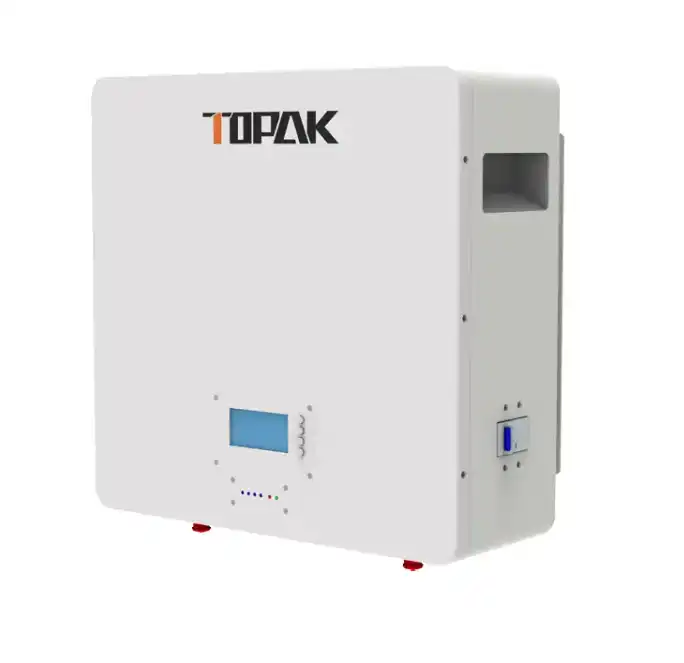
Wall-mounted batteries must incorporate robust thermal management systems to ensure safe operation. Most of the time, these systems have advanced cooling systems, temperature monitors, and automatic shut-off features to keep them from getting too hot. The TP-24100W 25.6V 100Ah Wall-mounted Energy Storage Battery, for example, has a complex thermal management system that checks and controls cell temperatures in real time. This not only makes the battery safer, but it also helps explain why it lasts so long—over 6000 rounds. It is very important to manage heat correctly to stop thermal runaway, a potentially dangerous situation that can cause lithium-ion batteries to catch fire or explode.
Battery Management System (BMS)
A comprehensive Battery Management System (BMS) is a critical safety feature for wall-mounted batteries and wall mount battery. At both the cell and pack levels, the BMS constantly checks things like voltage, current, and temperature. It keeps the battery from overcharging, overdischarging, or short circuiting, so it always works safely. Advanced BMS systems, like the ones in TOPAK's wall-mounted batteries, also give real-time data and analysis. This lets you do preventative maintenance and find problems before they get too bad. The TP-24100W model has CAN/RS485 connection protocols built in, which lets it work seamlessly with smart energy management systems. This makes the system even safer and more efficient.
Enclosure and Mounting Standards
The physical enclosure and mounting system of wall-mounted batteries play a crucial role in their safety. High-quality wall-mounted batteries, such as the TP-24100W, feature IP65-rated enclosures that protect against dust ingress and water jets from any direction. For installations outside or in harsh environments, this amount of protection is a must. Additionally, the mounting system must be designed to securely hold the battery's weight, which can be significant (approximately 30kg for the TP-24100W model). Proper installation techniques and adherence to local building codes are necessary to ensure the wall-mounted battery remains securely fastened and does not pose a physical hazard.
How do international standards apply to wall-mounted battery systems?
IEC Standards for Energy Storage Systems
Standards set by the International Electrotechnical Commission (IEC) are very important for making sure that wall-mounted battery systems are safe and work well. The TP-24100W Wall-mounted Energy Storage Battery meets the IEC 62619 standard, which is all about making sure that secondary lithium cells and batteries used in industry settings are safe. This standard talks about testing methods as well as safety issues related to electricity, machines, and the environment. Following IEC standards makes sure that wall-mounted batteries meet safety standards that are known all over the world. This makes it easier for them to be used in many foreign markets.
UN Transportation Regulations
Wall-mounted batteries, particularly those using lithium-ion technology, must comply with UN transportation regulations to ensure safe shipping and handling. The UN38.3 certification, which the TP-24100W model has obtained, is a critical requirement for the transportation of lithium batteries. For this approval, you have to pass a lot of tough tests, such as ones that simulate high altitude, thermal cycling, vibration, shock, and short circuit. Meeting the requirements of UN38.3 shows that the wall-mounted battery and wall mount battery can handle the pressures of shipping without losing its safety, which is very important for getting these energy storage systems to people all over the world.
MSDS and Chemical Safety Standards
Material Safety Data Sheets (MSDS) are important papers that give thorough information about the chemicals in wall-mounted batteries, any possible dangers, and the safest way to handle them. Like other high-quality energy storage options, the TP-24100W Wall-mounted Energy Storage Battery comes with a full MSDS that meets international chemical safety standards. Installers, maintenance workers, and first responders need this paperwork because it tells them important things about the battery's chemical qualities, how to put out a fire, and how to properly dispose of it. Following MSDS guidelines makes sure that everyone has access to the knowledge they need to safely handle wall-mounted batteries throughout their entire life.
What are the specific safety considerations for residential wall-mounted battery installations?
Electrical Code Compliance
Residential wall-mounted battery installations must comply with local and national electrical codes to ensure safe integration with the home's electrical system. In many countries, this means adhering to standards such as the National Electrical Code (NEC) in the United States or the IEC 60364 series for electrical installations in buildings. These codes cover aspects such as proper wiring, grounding, and circuit protection. For wall-mounted batteries like the TP-24100W 25.6V 100Ah model, installers must ensure that the battery's electrical characteristics, including its nominal voltage of 25.6V and maximum discharge current of 100A, are compatible with the home's electrical infrastructure and comply with relevant code requirements.
Fire Safety and Building Codes
Fire safety is a critical consideration for residential wall-mounted battery and wall mount battery installations. There are specific building rules in many places that say how energy storage systems can be installed in homes. These rules might say where the battery installation has to happen, like making sure it's in a place with good air flow and away from people's homes. The TP-24100W's fire safety profile is helped by its sturdy enclosure and advanced safety features, but installers must also think about things like how close the device is to flammable materials and how easy it is for rescue workers to get to. Some areas may require additional fire suppression systems or specific signage to alert first responders to the presence of a battery system.
User Safety and Accessibility
In home wall-mounted battery installations, making sure users are safe and can get to the batteries is very important. Especially in homes with kids, the installation position should be picked so that there is little chance of accidental contact or tampering. But the system should also be easy to get to for upkeep and in case of an emergency. The TP-24100W comes with optional Bluetooth and 4G modules that let you watch and control it from afar. This makes it safer for users because they can check the battery status and performance without having to touch the device. Homeowners should be given clear safety rules and directions on how to use the system. These should include things like what to do in an emergency, when to do maintenance, and what signs to look out for that could mean there is a problem.
Conclusion
The safety standards and codes covering wall-mounted batteries and wall mount battery are comprehensive and multifaceted, addressing various aspects of design, installation, and operation. From international standards like IEC 62619 and UN38.3 to local electrical and building codes, these regulations ensure that wall-mounted batteries meet stringent safety requirements. Key considerations include thermal management, battery management systems, enclosure standards, and specific residential installation guidelines. As the adoption of wall-mounted batteries continues to grow, adherence to these standards will be crucial in maintaining safety, reliability, and public confidence in energy storage technologies.
Energize Your Success with TOPAK Lithium Power Solutions
TOPAK Power Technology Co., Ltd., established in 2007, is a leading innovator in industrial-grade lithium battery solutions. Our expertise spans energy storage, power modules, and smart hardware, backed by state-of-the-art R&D and manufacturing capabilities. With a 15,000㎡ facility equipped with over 100 advanced production devices, we deliver customized, high-quality power solutions that meet diverse global needs. Our commitment to innovation, quality, and customer satisfaction has established us as a trusted partner for renowned enterprises worldwide. Experience the TOPAK difference in sustainable, efficient power solutions. Contact us at B2B@topakpower.com to explore how we can energize your success.
FAQ
Q: What is the typical lifespan of a wall-mounted battery?
A: High-quality wall-mounted batteries like the TP-24100W can have a cycle life of over 6000 cycles, which translates to many years of operation under normal conditions.
Q: Are wall-mounted batteries safe for indoor installation?
A: Yes, when installed properly and in compliance with relevant safety standards and codes, wall-mounted batteries are safe for indoor installation.
Q: Can wall-mounted batteries be used in off-grid systems?
A: Absolutely. Wall-mounted batteries like the TP-24100W are suitable for off-grid applications, providing reliable energy storage for microgrids and standalone power systems.
Q: What maintenance is required for wall-mounted batteries?
A: Most wall-mounted batteries require minimal maintenance. Regular visual inspections, keeping the area clean, and monitoring system performance through the BMS are typically sufficient.
Q: How do wall-mounted batteries compare to floor-standing models in terms of safety?
A: Wall-mounted batteries often have similar safety features to floor-standing models but may offer advantages in terms of space efficiency and reduced risk of physical damage.
References
1. International Electrotechnical Commission. (2017). IEC 62619:2017 Secondary cells and batteries containing alkaline or other non-acid electrolytes - Safety requirements for secondary lithium cells and batteries, for use in industrial applications.
2. United Nations. (2019). UN Manual of Tests and Criteria, Part III, Section 38.3 - Lithium metal and lithium ion batteries.
3. National Fire Protection Association. (2020). NFPA 855: Standard for the Installation of Stationary Energy Storage Systems.
4. Underwriters Laboratories. (2019). UL 9540: Standard for Energy Storage Systems and Equipment.
5. Institute of Electrical and Electronics Engineers. (2018). IEEE 1547-2018 - IEEE Standard for Interconnection and Interoperability of Distributed Energy Resources with Associated Electric Power Systems Interfaces.
6. International Organization for Standardization. (2018). ISO 18243:2018 Electrically propelled mopeds and motorcycles - Test specifications and safety requirements for lithium-ion battery systems.

Tell us your battery specifications or application

TOPAK