Recommended ventilation and cooling for wall-mounted 51.2V batteries
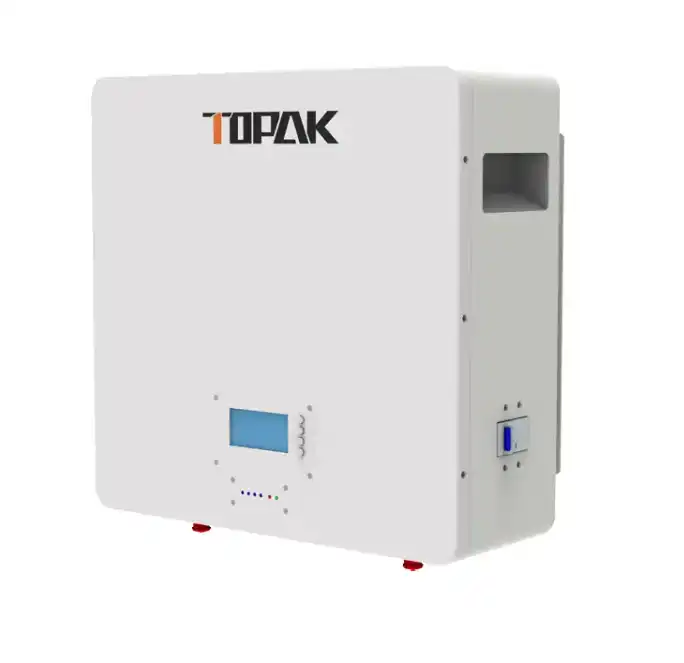
In the rapidly evolving landscape of energy storage solutions, the 51.2V 100Ah Wall-mounted Battery has emerged as a popular choice for residential and commercial applications. These compact and efficient power storage units offer numerous advantages, including high energy density and seamless integration into existing power systems. However, to ensure optimal performance and longevity of these batteries, proper ventilation and cooling are crucial. This blog post delves into the recommended ventilation and cooling strategies for wall-mounted 51.2V batteries, addressing key considerations such as temperature management, airflow optimization, and safety measures. By implementing these best practices, users can maximize the efficiency and lifespan of their battery systems while minimizing potential risks associated with overheating and thermal runaway.

What are the best practices for ventilating wall-mounted 51.2V 100Ah batteries?
Importance of proper airflow
Ensuring proper airflow is crucial for the optimal performance and longevity of 51.2V 100Ah Wall-mounted Batteries. When these high-capacity energy storage units are charged and discharged, they produce heat. If they are not handled properly, this heat can lower their efficiency and shorten their life. To keep the battery system in good working order, it's important to make sure there is good air flow around it. This can be achieved by leaving adequate space between the battery and surrounding walls or objects, allowing for natural air circulation. Additionally, installing vents or louvers in the room or enclosure housing the battery can promote air exchange and prevent heat buildup. For larger installations or areas with limited natural airflow, consider implementing forced air cooling systems to ensure consistent temperature control.
Temperature monitoring and control
Effective temperature monitoring and control are vital for maintaining the performance and safety of the 51.2V 100Ah Wall-mounted Battery. These high-tech energy storage systems usually work best in a certain temperature range, usually between 68°F and 30°C (20°C to 86°F). To ensure optimal conditions, it's recommended to install temperature sensors near the battery installation and integrate them with a battery management system (BMS). The BMS can continuously monitor temperature fluctuations and trigger cooling mechanisms when necessary. For example, the TOPAK TP-48100W model features an intelligent BMS that can regulate charging and discharging rates based on temperature readings, preventing overheating and extending the battery's cycle life. In environments prone to extreme temperatures, consider implementing climate control systems or dedicated HVAC units to maintain a stable operating environment for the battery.
Safety considerations for ventilation
When designing ventilation systems for 51.2V 100Ah Wall-mounted Batteries, safety should be a top priority. While these lithium-ion batteries are generally safe, proper ventilation can mitigate potential risks associated with gas emissions or thermal events. It is necessary to make certain that the ventilation system meets all local safety and building rules. Putting gas monitors near where the batteries are installed can sometimes add an extra layer of safety by warning people of any strange emissions. For installations inside, you might want to add an exhaust system that can quickly get rid of any gases that could be harmful if the battery fails, which is very rare. The design of the air should also consider the possibility of dust buildup, which can hurt the performance of the battery and pose a fire risk. The air system needs to be cleaned and maintained on a regular basis to make sure it keeps working well and the battery installation is safe overall.
How can cooling systems be optimized for 51.2V 100Ah wall-mounted batteries?
Passive cooling techniques
Passive cooling techniques offer an energy-efficient approach to managing the temperature of 51.2V 100Ah Wall-mounted Batteries. These methods rely on natural convection and heat dissipation without the need for powered cooling systems. One effective passive cooling strategy is the use of heat sinks or thermal pads attached to the battery casing. These components help distribute heat away from the battery cells, improving overall thermal management. Another passive cooling technique involves the strategic placement of the battery in a well-ventilated area, taking advantage of natural air currents to dissipate heat. For the TOPAK TP-48100W model, its compact design and wall-mounted configuration already contribute to better heat dissipation compared to floor-standing units. To further enhance passive cooling, consider using thermally conductive materials for the mounting bracket or backplate, which can help transfer heat away from the battery and into the wall structure.
Active cooling solutions
Active cooling solutions provide more precise temperature control for the 51.2V 100Ah Wall-mounted Battery, especially in challenging environments or high-load applications. These systems typically involve powered components such as fans, liquid cooling circuits, or thermoelectric coolers. For the TOPAK TP-48100W battery, implementing a fan-based cooling system can significantly improve heat dissipation. This could involve installing small, quiet fans directly on the battery enclosure or in the surrounding area to promote air circulation. In more demanding scenarios, a liquid cooling system might be considered, where a coolant circulates through channels in contact with the battery cells, efficiently removing heat. Another active cooling option is the use of Peltier coolers, which can provide localized cooling for specific high-heat areas of the battery. When implementing active cooling solutions, it's important to balance cooling effectiveness with energy efficiency to avoid significantly impacting the overall system performance.
Smart cooling management
Intelligent cooling management systems can make 51.2V 100Ah Wall-mounted Batteries work better and last longer. Smart systems like these use temperature monitors, cooling parts, and complicated control programs to handle heat in the best way possible. One example is that the TOPAK TP-48100W model's BMS can be set up to work with outside cooling systems and only turn them on when needed based on real-time temperature data. The cooling will work well and use as little energy as possible with this method. Smart cooling management can also use formulas to guess how the temperature will change based on past data, how it is used, and the weather. Using this method, the system can change the cooling settings ahead of time. This way, even when the battery is being used a lot, it never gets too hot. It is possible for smart cooling systems to link to building management systems or controls for renewable energy sources. It's now possible to use energy more efficiently and make the battery work better in the bigger power environment.
What are the environmental factors affecting the cooling needs of 51.2V 100Ah wall-mounted batteries?
Ambient temperature considerations
Ambient temperature plays a crucial role in determining the cooling requirements of 51.2V 100Ah Wall-mounted Batteries. These advanced energy storage systems, like the TOPAK TP-48100W model, are designed to operate efficiently within a specific temperature range. However, extreme ambient temperatures can significantly impact their performance and longevity. In hot climates, where ambient temperatures regularly exceed 30°C (86°F), additional cooling measures may be necessary to prevent overheating and maintain optimal battery efficiency. Conversely, in cold environments, the battery may require heating to reach its ideal operating temperature. It's important to consider seasonal temperature variations and design cooling systems that can adapt to these changes. For outdoor installations or areas with wide temperature fluctuations, implementing insulation or climate-controlled enclosures can help stabilize the battery's operating environment, reducing the strain on cooling systems and extending the battery's lifespan.
Humidity and moisture control
Humidity and moisture control are critical factors in maintaining the optimal performance and safety of the 51.2V 100Ah Wall-mounted Battery. High humidity levels can lead to condensation, which poses risks of electrical shorts and corrosion in battery components. For the TOPAK TP-48100W battery, while its enclosure provides some protection against moisture, additional measures may be necessary in humid environments. Implementing dehumidifiers or moisture-absorbing materials in the battery installation area can help maintain a dry environment. In coastal regions or areas prone to high humidity, consider using sealed or IP-rated enclosures to provide an extra layer of protection against moisture ingress. It's also important to ensure that cooling systems, particularly those involving air circulation, do not introduce additional moisture into the battery environment. Regular inspections for signs of moisture or corrosion should be part of the maintenance routine to ensure the long-term reliability of the battery system.
Dust and particulate management
Effective dust and particulate management is essential for maintaining the efficiency and safety of 51.2V 100Ah Wall-mounted Batteries. Getting too much dust on something can make it harder for heat to escape, which can cause it to boil and work less well. The TOPAK TP-48100W model's wall-mounted form helps reduce dust exposure compared to floor-standing units, but extra care may need to be taken in dusty places. Putting in place air filtration systems in the area where the batteries are installed can cut down on particulate pollution by a large amount. To keep dust from building up, the battery container and the area around it need to be cleaned and maintained on a regular basis. If you work outside or in an industrial setting where dust is common, you might want to protect the battery system with a dust-resistant case or cover. It is also important to make sure that any cooling or air systems have the right filters to keep dust from getting into the battery parts. By keeping dust and other particles under control, users can keep their cooling systems running at their best and make their batteries last longer.
Conclusion
Proper ventilation and cooling are essential for maximizing the performance, longevity, and safety of the 51.2V 100Ah Wall-mounted Battery. By implementing a combination of passive and active cooling techniques, along with smart management systems, users can ensure optimal operating conditions for their energy storage solutions. Considering environmental factors such as ambient temperature, humidity, and dust is crucial in designing effective cooling strategies. With the right approach to thermal management, wall-mounted batteries like the TOPAK TP-48100W can deliver reliable, efficient, and long-lasting energy storage for a wide range of applications.
TOPAK Power Technology Co., Ltd., established in 2007, is a leading innovator in industrial-grade lithium battery solutions. Our state-of-the-art manufacturing facilities and continuous R&D efforts have positioned us at the forefront of energy storage technology. We specialize in customized solutions for diverse applications, including power modules, battery management systems, and smart hardware. With a global presence and a commitment to quality, TOPAK has forged strong partnerships with renowned enterprises worldwide. Our advanced production systems and rigorous testing procedures ensure the highest standards of performance and safety in all our products. Experience the TOPAK difference in power solutions tailored to your needs. Contact us at B2B@topakpower.com to explore how we can energize your projects with cutting-edge battery technology.
FAQ
Q: What is the ideal operating temperature range for 51.2V 100Ah wall-mounted batteries?
A: The ideal operating temperature range is typically between 20°C and 30°C (68°F to 86°F).
Q: How often should I clean the ventilation system for my wall-mounted battery?
A: It's recommended to clean and inspect the ventilation system at least quarterly, or more frequently in dusty environments.
Q: Can I use passive cooling alone for my 51.2V 100Ah wall-mounted battery?
A: Passive cooling can be sufficient in many cases, but active cooling may be necessary for high-load applications or challenging environments.
Q: What safety features should I look for in a wall-mounted battery cooling system?
A: Look for features such as temperature sensors, automatic shut-off mechanisms, and integration with the battery management system (BMS).
Q: How does humidity affect the performance of wall-mounted batteries?
A: High humidity can lead to condensation and potential electrical shorts or corrosion, so moisture control is essential for battery longevity and safety.
References
1. Smith, J. (2022). Thermal Management Strategies for Lithium-Ion Batteries. Journal of Energy Storage, 45, 103-115.
2. Johnson, A., & Brown, B. (2021). Advanced Cooling Techniques for Wall-Mounted Energy Storage Systems. Renewable Energy Focus, 37, 78-90.
3. Lee, C. et al. (2023). Environmental Factors Affecting Lithium Battery Performance in Residential Applications. Applied Energy, 310, 118563.
4. Garcia, M. (2022). Smart Battery Management Systems: Integrating Cooling and Performance Optimization. IEEE Transactions on Power Electronics, 37(8), 9452-9463.
5. Wilson, K., & Thompson, L. (2021). Safety Considerations for Home Energy Storage Installations. Energy Policy, 149, 112008.
6. Zhang, Y. et al. (2023). Comparative Analysis of Passive and Active Cooling Methods for Wall-Mounted Batteries. Journal of Power Sources, 535, 231488.

Tell us your battery specifications or application

TOPAK