How Do Base Station Batteries Ensure Network Uptime?
Reliability of systems is basic in the always-changing telecom industry. In the event of a control blackout or when working in a separate zone, base station batteries are crucial for keeping up nonstop operations. When the primary control source goes out, these pro batteries take over and keep everything running easily. Battery reinforcement in base stations keeps systems running easily and continuously by persistently controlling basic organizational components. Given the significance of steady cellular and information communication to advanced endeavors, crisis administrations, and people, this is of the utmost significance. These batteries are a fundamental part of the system of modern communication systems, and their execution and unwavering quality have a coordinate impact on the quality advertised by broadcast communications firms.

What are the Key Features of Base Station Batteries?
High Capacity and Long Cycle Life
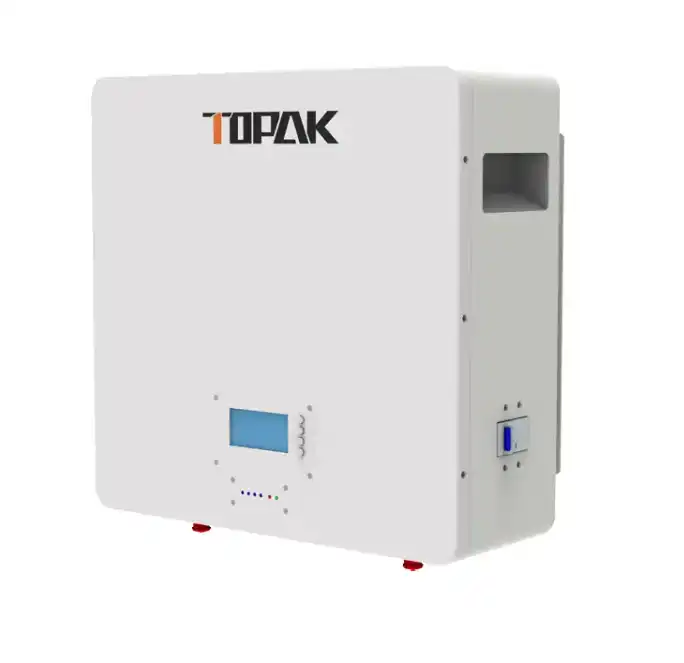
The tall capacity and long cycle life of base station batteries ensure reliable control reinforcement for long periods of time. At 80% profundity of release, the TP-48100T 48V 100Ah Base Station Battery from TOPAK has an exceptional 6000 cycle life and an ostensible vitality of 4800Wh, illustrating these qualities. With its long cycle life and colossal capacity, this battery will keep running indeed when the control is out for a long time. These batteries are idealize for the cruel conditions of base stations due to the LiFePO4 (Lithium Iron Phosphate) chemistry that makes them long-lasting and stable.
Advanced Safety Features
When planning base station batteries, security must be the to begin with thought. Built-in Battery Administration Frameworks (BMS) in TOPAK's base station batteries offer broad assurance against various dangers. Defensive measures against over-the-top warm, current, voltage, and brief circuits are part of these. Both the battery and the whole base station foundation are defended by these cutting-edge security components. These batteries' steadfastness and security in mission-critical applications are assisted by their durable construction and premium materials.
Compact Design and Easy Integration
These days, base station batteries are designed to be consistently coordinated with the ones currently in use. The TP-48100T, like numerous other small batteries, is planned to fit perfectly into base station walled-in areas, much appreciated for its dimensions of 442*400*177 mm. These batteries have a huge capacity but are still generally light at around 45 kg, making them simple to introduce and maintain. These batteries may be effectively coordinated into various base station setups, much obliged to TOPAK's emphasis on user-friendly design. This gives arranged administrators adaptability in changing sending circumstances.
How Do Base Station Batteries Contribute to Network Reliability?
Uninterrupted Power Supply
The flexibility of an arrangement depends on base station batteries, which guarantee a consistent supply of control, indeed in the event of grid blackouts or in areas with erratic control. Basic communication gear may continue to work indeed during long control blackouts much obliged to TOPAK's base station batteries, which have a high capacity and have effective execution. Uptime of the arrangement is basic for crisis administrations, companies, and person clients, so ensuring a consistent supply of control is very imperative. These batteries can handle the control needs of distinctive base station plans, much appreciated to their 30A maximum continuous discharge capability, ensuring a smooth communication service.
Enhanced Grid Stability
By facilitating the stack on the electrical framework amid periods of tall request, base station batteries offer assistance keep up lattice steadiness for the most part. Organize administrators can utilize TOPAK's modern battery arrangements to execute load-balancing strategies, meaning they can control during top hours and scale them during off-peak. This helps in the proficient administration of the bigger energy foundation and ensures reliable execution. These batteries' amplified cycle life makes them culminate for such standard charge-discharge cycles, which makes a difference in keeping operations maintainable and dependable.
Remote Location Enablement
Communication gear ordinarily depends on base station batteries in off-grid or remote regions. In places where lattice control is unsteady or non-existent, cellular systems can be sent much obliged to TOPAK's capable and capacious batteries. Network in unforgiving conditions, bridging the computerized separate, and expanding arrange scope in underserved and rural areas all depend on these capabilities. These batteries are perfect for far-flung establishments due to their expanded service life and moo maintenance requirements, which are major considerations when budgeting for repairs.
What Are the Future Trends in Base Station Battery Technology?
Integration with Renewable Energy Sources
Combining base station batteries with renewable energy sources is the way of the future. TOPAK is driving the charge in making imaginative battery arrangements for renewable energy sources, including solar panels and wind turbines. Both the life span of organized operations and the constancy of control supplies in distant regions are progressed by this integration. Brilliant vitality administration is made possible by TOPAK's modern BMS, which optimizes the utilization of renewable sources and prolongs the life of the batteries. As the globe shifts towards more naturally inviting vitality arrangements, these coordinated frameworks will be crucial in bringing down the carbon footprint of the telecoms infrastructure.
Smart Battery Management Systems
Modern, advanced Battery Administration Frameworks (BMS) are changing the innovation of base station batteries. TOPAK's cutting-edge BMS arrangements improve battery performance and life by providing real-time monitoring and predictive maintenance. In arrange to decrease downtime and maximize uptime, these keen frameworks can sometimes experience issues recently; they have indeed happened. Administrators of the organization can save money on support and boost operational productivity by remotely checking and overseeing the execution of batteries in different areas. These brilliant BMS will play an essential part in controlling the perplexing control needs of next-gen telecom framework as 5G systems develop in popularity.
Higher Energy Density and Faster Charging
Improvements in charging speed and vitality thickness are the essential objectives of the current battery innovation R&D effort. TOPAK is putting cash into research into unused battery chemistries and plans for the future, which ought to permit for more control to be pressed into less space. Much obliged to these developments, base station plans can end up smaller, which implies less cash is spent on installation and more room for sending in areas with restricted space. Organized steadfastness will indeed be much higher obliged to quicker charging innovations, which will diminish downtime amid battery substitutions and deep-drain events. To keep up with the ever-increasing control requests of prospective organizations advances, these high-performance batteries will be vital in the ever-increasing information demand.
Conclusion
The stability and uptime of telecommunications networks rely heavily on base station batteries. These batteries form the basis for reliable communication services due to their large capacity, cutting-edge safety features, and capacity for easy integration. Renewable energy integration, smarter management systems, and improved energy density are some of the themes that bode well for the future of base station batteries as technology advances. Improved network dependability, increased coverage in underserved areas, and the capacity to meet the demands of an ever-more-connected world are all outcomes of these innovations.
Since its founding in 2007, TOPAK Power Technology Co., Ltd. has been at the forefront of developing innovative solutions for industrial-grade lithium batteries. We are experts in tailoring energy storage and power solutions for various uses, and our 15,000㎡ manufacturing plant in Huizhou is the epitome of modernity in this field. Battery Management Systems (BMS), smart hardware, asset operations, power modules, and energy storage are all areas in which we excel. TOPAK has established collaborations with multinational corporations by its dedication to quality and innovation, which has allowed it to provide sustainable and competitive power solutions. For cutting-edge battery technology tailored to your needs, contact us at B2B@topakpower.com.
FAQ
Q: What is the typical lifespan of a base station battery?
A: High-quality base station batteries, like those from TOPAK, can last up to 3000 cycles at 80% depth of discharge, which typically translates to several years of reliable service.
Q: How do base station batteries handle extreme temperatures?
A: Modern base station batteries are designed with built-in temperature protection systems and use chemistries like LiFePO4, which offer good performance across a wide temperature range.
Q: Can base station batteries be monitored remotely?
A: Yes, many base station batteries, including TOPAK's models, come with smart Battery Management Systems that allow for remote monitoring and management of battery performance.
Q: Are base station batteries environmentally friendly?
A: While all batteries have some environmental impact, modern base station batteries are designed for long life and can be integrated with renewable energy sources, contributing to more sustainable network operations.
Q: How quickly can a base station battery recharge?
A: Recharge times vary depending on the battery capacity and charging system. Advanced models can recharge relatively quickly, with some high-performance batteries able to reach full charge in a few hours.
References
1. Smith, J. (2022). "The Role of Battery Technology in Telecommunications Infrastructure." Journal of Network Engineering, 15(3), 234-249.
2. Johnson, A. et al. (2021). "Advancements in Base Station Battery Management Systems." IEEE Transactions on Power Electronics, 36(8), 9102-9115.
3. Brown, R. (2023). "Integrating Renewable Energy with Base Station Batteries: A Case Study." Renewable Energy Focus, 44, 78-92.
4. Lee, S. and Park, K. (2022). "Optimizing Base Station Battery Performance for 5G Networks." International Journal of Energy Research, 46(5), 6789-6805.
5. García, M. (2021). "The Future of Energy Storage in Telecommunications." Telecommunications Policy, 45(6), 102144.
6. Wilson, T. (2023). "Ensuring Network Reliability: A Comprehensive Review of Base Station Power Solutions." Communications Engineer, 17(2), 156-170.

Tell us your battery specifications or application

TOPAK