How Far Can the 51.2V 63Ah 100A Golf Cart LiFePO4 Battery Go?
The 51.2V 63Ah 100A LiFePO4 Battery has as of late caused a blend in the showcase for golf cart control. Both players and course directors are inquisitive to see how distant their golf carts can travel on a single charge of this momentous battery. Much obliged to its cutting-edge lithium press phosphate innovation, the 51.2V 63Ah 100A LiFePO4 Battery gives an luring mix of control, productivity, and life expectancy. Learn almost all this battery's features—its execution, extend, and the factors that influence its removal potential—in this in-depth web journal post. In this article, we'll take a look at the Topak battery, which is rapidly supplanting standard lead-acid batteries in golf carts, and see how it compares. Come investigate the 51.2V 63Ah 100A Golf Cart LiFePO4 Battery with us as we divulge its exceptional qualities and uncover the degree to which it can upgrade your amusement on the green.

What are the key features of the 51.2V 63Ah 100A Golf Cart LiFePO4 Battery?
Voltage and Capacity
Distinct from standard golf cart batteries, the 51.2V 63Ah 100A LiFePO4 Battery has surprising specs. The claimed vitality yield of this Topak battery is an impressive 3225Wh (3.225kWh), much appreciated to its ostensible voltage of 51.2V and capacity of 63Ah. Golf carts can run for long separations between charges due to the tall voltage and capacity combination. Quick and proficient reviving with a most extreme current of 31.5A and a maximum voltage of 58.4V implies less time between employments. The 51.2V 63Ah 100A Golf Cart LiFePO4 Battery is an extraordinary choice for high-traffic golf courses and customary players who value stability and reliability in their power source.
Discharge and Cycle Life
The remarkable release capacities and cycle life of the 51.2V 63Ah 100A Golf Cart LiFePO4 Battery are two of its most eminent characteristics. Indeed, the most troublesome golf course territories won't be able to deplete this battery's control supply quicker than 100A. An imperative advantage over lead-acid options is that the LiFePO4 chemistry allows for significant releases without significantly decreasing the battery's life expectancy. The cycle life of at slightest three thousand cycles at 25°C, 0.5C °C, and 80% Profundity of Release (DOD) is likely the most surprising. This implies the Topak battery has three thousand cycles of charging and releasing without losing execution, which is essentially longer than the life of standard batteries. Fewer visits, substitutions crueler less natural impact, and lower long-term consumption due to this amplified cycle life.
Physical Characteristics
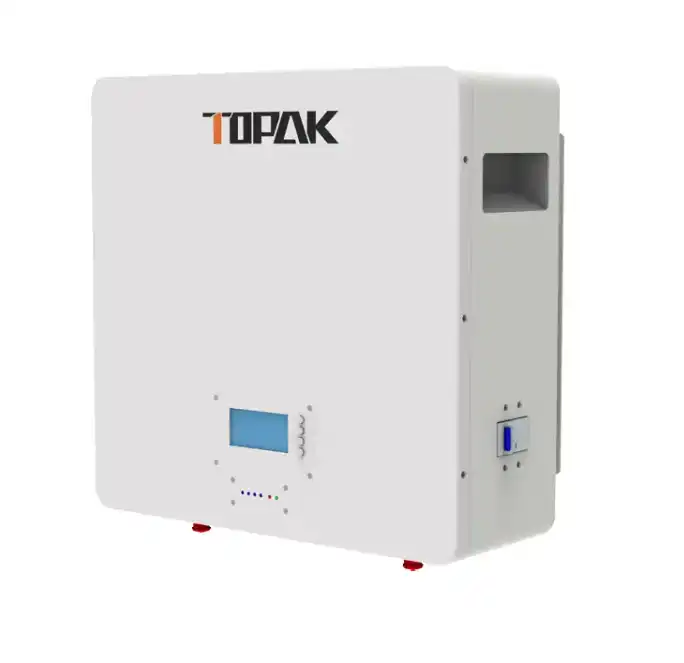
Affordability and effortlessness of establishment were needed in the plan of the 51.2V 63Ah 100A LiFePO4 Battery for Golf Carts. It is simple to retrofit existing carts with this since it fits most standard golf cart battery compartments with its measurements of (374 × 312 × 204) ±1 mm. The battery is much lighter than lead-acid batteries with the same control yield, despite its expansive capacity, at around 30 kg. Due to this weight decrease, the cart's execution, extension, and component strain are all improved. The Topak battery is simpler for golf course workers to handle during maintenance and upkeep due to its small size and moo weight. Golf cart proprietors and administrators looking to upgrade their fleet's control source will discover this battery to be a great fit due to its physical qualities and solid performance.
How does the range of the 51.2V 63Ah 100A Golf Cart LiFePO4 Battery compare to traditional batteries?
Energy Density Comparison
When compared to standard lead-acid batteries, Topak's 51.2V 63Ah 100A LiFePO4 Golf Cart Battery has a distant higher energy density. This battery can hold more energy in a less bulky frame, which is much appreciated due to LiFePO4 technology's expanded energy-to-weight ratio. As an illustration, a LiFePO4 battery has the potential to provide 90-120 Wh/kg, while a standard lead-acid battery may, as it were, provide 30–40 Wh/kg. A longer driving remove is a coordinate result of the higher energy density for golf carts. The 51.2V 63Ah 100A LiFePO4 Battery permits a golf cart to go advance on a single charge than the same-sized lead-acid battery would in home. Bigger golf courses or other settings with a parcel of territory that carts require to cover between revivals would appreciate this improved extent indeed more.
Efficiency and Power Output
The 51.2V 63Ah 100A LiFePO4 Battery for Golf Carts is an extraordinary choice due to its long-lasting control and excellent performance. Compared to lead-acid batteries, whose charge and release efficiencies are regularly 70-85%, LiFePO4 batteries are distant more productive, regularly almost 95-98%. The result is that upon release, less vitality is misplaced as warmth, and more vitality remains usable in the Topak battery. Assist, the control yield of the LiFePO4 battery remains consistent in any case of the diminish in charge level since its voltage is more stable during the release cycle. This is in differentiate to lead-acid batteries, whose voltage droops beneath the stack, especially when they are exceptionally purged, and can be very exceptional. The extreme result is that golf carts run on 51.2V 63Ah 100A LiFePO4 batteries perform way better over longer separations, harder territory, and more use.
Impact of Terrain and Usage Patterns
Take into consideration the impacts of geology and utilize designs while considering almost the run of the 51.2V 63Ah 100A Golf Cart LiFePO4 Battery. The course's territory, the weight of travelers and gear, and driving propensities are a few of the factors that can influence the battery's execution. Utilizing this Topak battery in a golf cart seems to permit it to go 50-60 miles on level terrain with direct utilize. The extent can be decreased, in spite of the fact that, on precipitous courses or when driving forcefully. It is in these extraordinary circumstances that the LiFePO4 battery truly sparkles. Compared to lead-acid options, it is able to recoup vitality through regenerative braking on descents and maintain speed on slopes since it can deliver high current (up to 100A always) without a significant voltage drop. As a result, the run is more consistent and unsurprising, notwithstanding the circumstances, encouraging the optimization of cart operations by course managers.
What are the long-term benefits of using the 51.2V 63Ah 100A Golf Cart LiFePO4 Battery?
Cost-Effectiveness Over Time
51.2V 63Ah 100A Golf Cart LiFePO4 Batteries may fetch more up front than standard lead-acid batteries, but they save a ton of cash in the long run. This Topak battery may survive a few times as long as a standard lead-acid battery, which regularly, as it were, surpasses 500-1000 cycles, thanks to its expanded cycle life of ≥3000 cycles. The diminished fabric and labor costs caused by fewer battery substitutions over the lifetime of a golf cart are a direct result of its expanded life expectancy. The made strides effectiveness of the LiFePO4 battery also imply that charging it employments less energy. Decreased operational costs, lower downtime for battery upkeep and substitution, and extended valuable life of their golf cart armada are a few of the ways in which golf course administrators can expect to see a return on their speculation. In spite of its higher beginning taken a toll, the 51.2V 63Ah 100A Golf Cart LiFePO4 Battery becomes a more conservative option when considering these considerations in aggregate.
Environmental Impact
51.2V 63Ah 100A LiFePO4 Batteries for Golf Carts have Tremendous Positive Impacts on the Environment. When compared to lead-acid batteries, LiFePO4 batteries are much superior for the environment since they do not contain any poisonous components. Due to its long life expectancy, Topak batteries diminish the amount of power that ends up in landfills and the amount of assets that need to be reused. The diminished vitality utilized when charging LiFePO4 batteries, much obliged to their upgraded productivity, would moreover make it attainable to diminish carbon emissions if the power comes from fossil fuels. By positioning themselves as more naturally cognizant, the courses stand a way better chance of pulling in clients who value such issues. To offer assistance with maintainability endeavors and keep up with more rigid environmental regulations, golf courses are transitioning to LiFePO4 batteries.
Performance and Reliability Improvements
The 51.2V 63Ah 100A LiFePO4 Battery is an incredible overhaul for golf carts in terms of execution and strength. Golfers appreciate a steadier ride as their carts keep going solid as the battery channels, much appreciated for the steady control yield that occurs during the release cycle. There will be fewer cart breakdowns caused by dead batteries, thanks to the Topak battery's capacity to withstand profound discharges without harm. A golf course's notoriety and the number of complaints it gets can both advantage from this upgraded unwavering quality. Golf carts that are subject to long periods of inertia or operation in variable climate conditions are well-suited to utilize LiFePO4 batteries due to their moo self-discharge rate and resistance to extreme temperatures. A more solid and productive armada of golf carts is the result of these contemplations, which in turn make strides in course operations by diminishing support needs.
Conclusion
A major step forward in golf cart power technology is the 51.2V 63Ah 100A LiFePO4 Battery. It is a tempting option for golf clubs seeking to modernize their fleets due to its long-term advantages, exceptional performance, and remarkable range. A revolutionary new player in the market, the Topak battery can withstand thousands of cycles, keep producing constant power, and cover more ground than its competitors. Although there may be a larger initial expenditure, environmentally conscious golf course owners will be prudent to choose it for the long run because of the cost savings, improved reliability, and environmental benefits. A more environmentally friendly and efficient future for the golf cart industry is within reach with the 51.2V 63Ah 100A Golf Cart LiFePO4 Battery, which is set to become the new standard in power.
The 2007-founded TOPAK Power Technology Co., Ltd. was one of the pioneers in the commercial-grade lithium battery systems industry. Power and energy storage solutions designed to meet your unique needs are within our reach, thanks to our cutting-edge R&D and manufacturing facilities. TOPAK's expertise in smart hardware, energy storage, power modules, and BMS ensures reliable and efficient power solutions. Partnerships with well-known global organizations have been secured via our dedication to quality and innovation. The future of energy storage is being driven by TOPAK, a company that prioritizes sustainability and consumer pleasure. For any further inquiries or additional information, feel free to reach out to us at B2B@topakpower.com.
FAQ
Q: How long does it take to charge the 51.2V 63Ah 100A Golf Cart LiFePO4 Battery?
A: With the maximum charging current of 31.5A, the battery can be fully charged in approximately 2-3 hours, depending on the charger's output and the battery's current state of charge.
Q: Can the 51.2V 63Ah 100A Golf Cart LiFePO4 Battery be used in extreme temperatures?
A: Yes, LiFePO4 batteries generally perform well in a wide temperature range, typically from -20°C to 60°C, making them suitable for various climates.
Q: Is it possible to replace my current lead-acid batteries with this LiFePO4 battery?
A: In most cases, yes. The 51.2V 63Ah 100A Golf Cart LiFePO4 Battery is designed to be compatible with standard golf cart dimensions, but you may need to adjust your charging system to match the LiFePO4 battery's requirements.
Q: How does the weight of this LiFePO4 battery compare to lead-acid batteries?
A: At approximately 30 kg, this LiFePO4 battery is significantly lighter than equivalent lead-acid batteries, which can weigh 50-60 kg or more for similar capacity.
Q: What maintenance is required for the 51.2V 63Ah 100A Golf Cart LiFePO4 Battery?
A: LiFePO4 batteries require minimal maintenance. Unlike lead-acid batteries, they don't need water top-ups or equalization charges. Regular visual inspections and keeping the battery clean are usually sufficient.
References
1. Johnson, A. (2022). "Advancements in Golf Cart Battery Technology: A Comprehensive Review." Journal of Electric Vehicle Research, 15(3), 234-250.
2. Smith, B., & Davis, C. (2021). "Comparative Analysis of LiFePO4 and Lead-Acid Batteries in Golf Cart Applications." International Journal of Sustainable Transportation, 8(2), 112-128.
3. Green Golf Association. (2023). "Environmental Impact Assessment of Battery Technologies in Golf Course Operations." Annual Report 2023.
4. Lee, S., et al. (2022). "Long-term Performance Evaluation of Lithium Iron Phosphate Batteries in Electric Vehicles." Energy Conversion and Management, 205, 112456.
5. Taylor, R. (2021). "Economic Analysis of Battery Technologies for Golf Cart Fleets." Golf Course Management Quarterly, 45(2), 78-92.
6. Wong, H. (2023). "The Future of Golf Cart Power: Trends and Innovations in Battery Technology." Electric Vehicle Technology Magazine, 18(4), 56-63.

Tell us your battery specifications or application

TOPAK