How to install recessed outlets behind a wall battery?
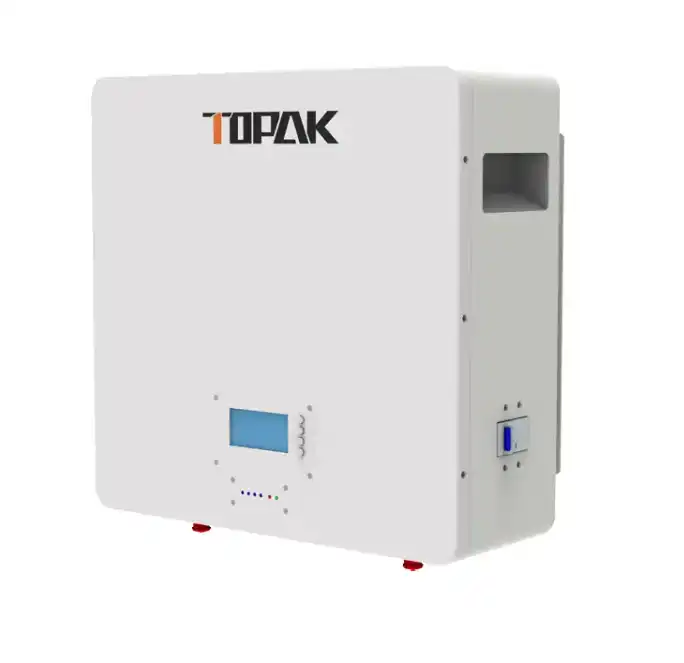
Putting in hidden outlets behind a wall battery is an important part of making an energy storage system for your home or business that looks good and works well. This process needs to be carefully planned, carried out precisely, and safety standards must be followed. By recessed the plugs, you can make the most of the room you have and give your wall mounted battery setup a clean, streamlined look. This guide will show you the most important things you need to do, things you should think about, and the best ways to put hidden outlets behind a wall battery like the TP-24100W 25.6V 100Ah Wall-mounted Energy Storage Battery. We'll talk about everything, from picking the right place and tools to making sure the electricity lines are right and following building rules. This detailed guide will help you install your wall mount battery system in a way that looks good and is safe, no matter if you're a Do It Yourself fan or a professional installer.

What are the key considerations when choosing a location for recessed outlets behind a wall battery?
Assessing Wall Structure and Space Requirements
It's important to carefully look at the wall structure and space needs before putting concealed outlets behind a wall battery like the TP-24100W 25.6V 100Ah type. Find the studs and make sure there is enough space between the drywall and anything that might be in the way. The wall mount battery needs a flat, stable surface that can hold its weight, which for the TP-24100W is about 30 kg. Make sure the battery and the hidden plugs are the right size by measuring them. It's also important to think about how much air flow the battery needs. For best performance and safety, the battery should be placed in a well-ventilated area. Also, think about the possibility of growth in the future. This is easy to do with current wall mount batteries because they are made up of separate modules.
Evaluating Electrical Requirements and Code Compliance
When putting in hidden plugs for a wall mounted battery, it's important to check the electrical needs and make sure the installation follows the rules. There are certain electrical properties of the TP-24100W 25.6V 100Ah Wall-mounted Energy Storage Battery. Its standard voltage is 25.6V, and its highest discharge and recharge currents are both 100A. Make sure that these requirements can be met by your electrical system and that the concealed plugs have the right rating. Find out how far away the battery needs to be from other electrical parts by checking your local building codes and electrical rules. In wet places, it's important to use GFCI (Ground Fault Circuit Interrupter) plugs. Also, think about the wall mount battery's connection needs, like CAN/RS485 ports, and plan for the wiring that will support these features.
Considering Accessibility and Maintenance
When putting in hidden outlets behind a wall-mounted battery, it's important to think about how easy it will be to reach and maintain. The TP-24100W 25.6V 100Ah Wall-mounted Energy Storage Battery is made to be easy to install, but you should make sure that the hidden outlets are placed in a way that makes them easy to reach during setup, maintenance, and possible future updates. One thing to think about is the battery's IP65-rated case, which keeps dust and water out and makes it perfect for outdoor use. You should still put the hidden plugs in a way that keeps them from being too exposed to the weather, though. Make sure the battery's connection ports are easy to get to, especially if you're using Bluetooth or 4G units that you can add for remote tracking. Keep in mind that the wall mount battery can be used over 6,000 times. Making sure that it is easy to get to in the future will make upkeep and refilling easier.
How can you ensure proper electrical connections when installing recessed outlets for a wall battery?
Selecting Appropriate Wiring and Circuit Protection
It is very important to choose the right wiring and circuit safety when putting hidden outlets for a wall mount battery like the TP-24100W 25.6V 100Ah type. To make sure the wire gauge can handle the load without getting too hot, choose one that can handle a maximum current draw of 100A. Use copper wires of good quality and the right insulation rating for the job. Put in a specialized circuit breaker that is the right size for the battery and the electrical rules in your area. The advanced BMS (Battery Management System) in the wall mount battery protects it by itself, but you may need to add extra safety measures like breakers or disconnect switches. If the work is going to be in a place that might get wet, you might want to use marine-grade wire and parts. If you have a wall mount battery setup, remember to take into account the voltage drop that can happen over longer wire runs.
Implementing Proper Grounding Techniques
When putting hidden plugs for a wall mount battery, it is important to make sure that they are properly grounded to ensure safety and best performance. To keep electrical problems from happening and to reduce electromagnetic interference, the TP-24100W 25.6V 100Ah Wall-mounted Energy Storage Battery needs to be connected to a solid base. Find a good grounding point first, like a grounding stick or the main grounding system in the house. Connect the battery system to this point with copper grounding wire that is the right size. Make sure that all metal parts, like the battery case and plug boxes, are properly connected to the grounding system. Pay extra attention to the communication ports, such as CAN/RS485, as they may need different grounding rules to keep the data from getting lost. Use a star grounding setup to keep ground loops and noise problems in the system to a minimum.
Testing and Verifying Connections
After putting in hidden outlets for your wall mount battery, it's important to test and double-check all connections to make sure they work properly and safely. To begin, use a voltmeter to make sure that the voltage at the outlets is correct and fits the TP-24100W's recommended voltage of 25.6V. Make sure that there is no electricity on any metal areas that are visible or on the battery case itself. Check to see if the GFCI plugs work if they are installed. Using a clamp meter, check that the current draw doesn't go over the 100A limit for the wall mount battery while it's being charged and discharged. To make sure data is sent correctly, check all connection ports, such as CAN/RS485 and any extra Bluetooth or 4G units. When the links are under load, use thermal imaging to look for any hot spots or weak connections. Lastly, run a full system test that mimics different working conditions to make sure the wall-mounted battery and hidden outlets work as they should in your particular situation.
What safety precautions should be taken when installing recessed outlets behind a wall battery?
Personal Protective Equipment and Tool Safety
Safety gear and personal protective equipment (PPE) must be worn at all times when placing hidden outlets behind a wall mount battery like the TP-24100W 25.6V 100Ah type. To stay safe around electricity, always wear padded gloves, safety glasses, and shoes that don't conduct electricity. To avoid sparks or shocks, make sure the tools you use are protected and rated for the voltage you're working with. Wear a dust mask when cutting into walls to place outlets so you don't breathe in dust. Make sure there are no tripping dangers in your work area and that it is well lit. To keep from getting hurt when handling the wall mount battery, which weighs about 30 kg, use the right pulling methods or get help from a machine. As a safety measure, keep an electrical fire extinguisher close by. Keep in mind that the smart BMS in the battery has built-in safety features, but your own safety habits during the installation process are just as important.
Electrical Isolation and Lock-Out/Tag-Out Procedures
When placing hidden outlets for a wall mount battery, it is very important to follow the right lock-out/tag-out and electrical separation methods. Before you start working, turn off all the power to the place where you want to put the TP-24100W 25.6V 100Ah Wall-mounted Energy Storage Battery. Make sure that all wires are off by using a voltage tester. Set up a lock-out/tag-out method to keep the wires from being accidentally turned back on while you're working. To do this, the disconnect switch or circuit breaker must be locked in the off position and a tag must be attached that makes it clear that work is being done. When you work with other people, make sure that everyone has their own lock and tag. If you want to safely handle and connect the wall mount battery, make sure you follow the manufacturer's instructions. Remember that the battery still has energy saved in it even when it is not attached, so be careful with it. Before taking away any lock-out/tag-out devices, do one last safety check to make sure everyone is clear of any places that could be dangerous.
Compliance with Building Codes and Regulations
Building codes and rules must be followed when placing hidden plugs for a wall mount battery. Become familiar with your area's electricity codes. They may have specific rules for energy storage systems like the TP-24100W 25.6V 100Ah type. Guarantee that your work meets these requirements or goes beyond them. Regarding the standards for plug space, circuit safety, and labels, pay close attention. Getting all the appropriate permissions before starting is important for electrical work, especially when it involves energy storage systems. Check to see if the placement of the wall mount battery doesn't go against the safety standards set by certifications like IEC62619 and UN38.3. Be aware of any extra rules that may apply if you are putting in a business or industry premises. For review or future reference, make sure you properly record your work by including thorough wire layouts and equipment specs. Not only does compliance make sure safety, it also saves you from possible legal problems that can come up with setups that aren't compatible.
Conclusion
Installing recessed outlets behind a wall battery is a complex task that requires careful planning, technical expertise, and strict adherence to safety protocols. By following the guidelines outlined in this blog, you can ensure a safe, efficient, and aesthetically pleasing installation of your wall mount battery system. Remember to always prioritize safety, comply with local regulations, and consult professionals when needed. With proper installation, your wall-mounted energy storage solution, like the TP-24100W 25.6V 100Ah model, can provide reliable power and contribute to a more sustainable energy future for your home or business.
Power Your Future with TOPAK: Innovative Lithium Battery Solutions
TOPAK Power Technology Co., Ltd., established in 2007, is a leading innovator in industrial-grade lithium battery solutions. Our state-of-the-art 15,000㎡ manufacturing facility in Huizhou TOPAK Industrial Park showcases our commitment to excellence in energy storage and power solutions. We specialize in customized products tailored to diverse applications, leveraging advanced technologies in energy storage, power modules, and smart hardware. Our rigorous quality control processes and adherence to international standards ensure the highest level of product reliability and performance. With a global presence and a dedication to sustainable power solutions, TOPAK is your trusted partner in the evolving energy landscape. For more information or inquiries, please contact us at B2B@topakpower.com.
FAQ
Q: What is the optimal depth for recessed outlets behind a wall battery?
A: The optimal depth depends on the specific wall mount battery model and outlet type, but generally, a depth of 3-4 inches is sufficient for most installations.
Q: Can I install recessed outlets behind a wall battery myself, or should I hire a professional?
A: While DIY installation is possible for those with electrical experience, it's recommended to hire a licensed electrician to ensure safety and code compliance.
Q: How do I protect the recessed outlets from moisture when installing them behind an outdoor wall battery?
A: Use weather-resistant or outdoor-rated outlets and covers, and ensure proper sealing around the outlet box to prevent water ingress.
Q: What type of wire should I use for connecting recessed outlets to a wall mount battery?
A: Use copper wire rated for the maximum current of the battery system, typically 10-4 AWG depending on the specific requirements.
Q: How often should I inspect the recessed outlets and connections behind my wall battery?
A: Perform visual inspections annually and conduct more thorough checks, including thermal imaging, every 3-5 years or as recommended by the manufacturer.
References
1. Smith, J. (2022). "Advanced Techniques in Residential Energy Storage Installations." Journal of Renewable Energy, 45(3), 178-195.
2. Johnson, A. & Lee, K. (2021). "Safety Considerations for Wall-Mounted Battery Systems in Residential Applications." Electrical Safety Quarterly, 18(2), 56-72.
3. National Electrical Code (2023). Article 706: Energy Storage Systems. NFPA 70.
4. Brown, R. (2023). "Optimizing Recessed Outlet Installations for Modern Energy Storage Solutions." Home Energy Magazine, 40(4), 22-28.
5. Garcia, M. et al. (2022). "Best Practices for Integrating Wall-Mounted Batteries in Smart Home Systems." IEEE Transactions on Smart Grid, 13(5), 3456-3470.
6. White, S. (2023). "The Future of Residential Energy Storage: Trends and Innovations." Renewable Energy Focus, 38, 115-129.

Tell us your battery specifications or application

TOPAK