Is a Vertical Battery the Future of Energy Storage?
Ever since the world has been turning more and more to green energy sources, we've needed smart and creative ways to store energy. It's been a few years since the vertical battery became a cool and famous idea. The way we store and use energy might change because of this new design. Instead of normal battery systems, we might be able to use something smaller, more efficient, and more easily adaptable. It is the goal of the vertical battery idea to maximize energy density while minimizing the storage space needed. Because it is flexible, it can be used in both cities and the country. Possible new uses for renewable energy might emerge from the vertical battery's cutting-edge design and technology. The power system might also be safer and more eco-friendly if this is done. Using this new idea could improve our lives and the way we store energy a lot.

What are the advantages of vertical batteries over traditional battery systems?
Increased Energy Density
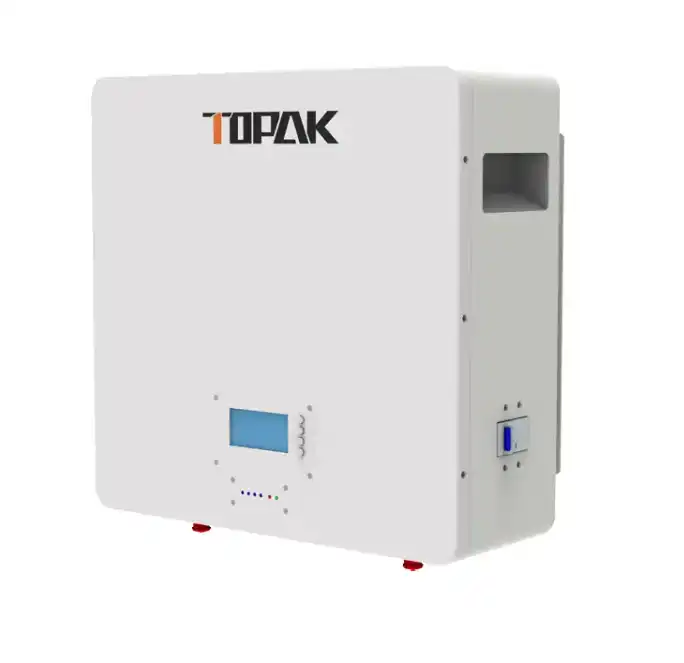
When it comes to energy density, vertical batteries are a big step up from standard battery systems. These innovative storage solutions can fit more energy into a smaller space because they are set up vertically. This makes them perfect for places with limited room. The TOPAK vertical battery design optimizes the use of available space, allowing for higher capacity storage in urban areas where real estate is at a premium. This more focused energy not only makes batteries work better, but it also lets green energy projects use their power in more places. Vertical batteries can help solve one of the biggest problems with using renewable energy: the need for large-scale storage systems that can handle power from sources like solar and wind, which only work sometimes. This is because they can store more power in a smaller space.
Improved Thermal Management
Another significant advantage of vertical batteries is their superior thermal management capabilities. The upright position makes it easier for heat to escape, which is important for keeping the battery working well and lasting a long time. Natural convection and new materials are used in TOPAK's vertical battery design to keep the battery at the right temperature. These current cooling systems work better than horizontal battery designs. This better control of temperature not only makes the battery system work better overall, but it also makes it last longer and need less upkeep. Vertical batteries can work more consistently and efficiently, even in tough environmental conditions, because they reduce the stress that heat puts on the battery's parts. This advantage is particularly valuable in applications where temperature control is critical, such as in data centers, telecommunications infrastructure, and electric vehicle charging stations.
Enhanced Safety Features
Vertical batteries are made with better safety features that fix many of the problems that come with regular battery systems. Being upright makes it easier to stop any leaks or temperature changes, which lowers the chance that problems will spread through the battery pack. Advanced safety features are built into TOPAK's vertical battery technology. Some of these are smart tracking systems and strong walls that separate rooms. Thermal runaway is less likely to happen when these parts work together. Along with that, they keep issues from moving to other parts of the battery system. Better control is made possible by this shape, which also makes it easier to check and keep. Because they were made with safety in mind, vertical batteries are a safer and more reliable way to store energy for a wide range of uses, from small home projects to big commercial ones.
How do vertical batteries contribute to sustainable energy solutions?
Efficient Integration with Renewable Energy Sources
It is very important to use vertical batteries so that renewable energy sources can be easily added to power lines. Because they are small and have a high energy density, they work well with solar panels and wind turbines. This makes it easy to store extra energy made when production is high. TOPAK's vertical battery systems are designed to work perfectly with renewable energy setups. They reliably fill in the gaps between times when power is intermittently made and times when people need energy all the time. When green energy is made, it causes changes that need to be evened out. This makes the power source more stable and reliable. As a result of making it easier to use renewable energy sources, vertical batteries make the energy environment more sustainable and reduce our reliance on fossil fuels.
Reduced Environmental Impact
Vertical batteries offer several environmental benefits compared to traditional energy storage solutions. Because they are small, they use fewer raw materials to make, which means that making batteries has less of an effect on the world overall. TOPAK is committed to ecology, and this shows in the materials they use in their vertical battery systems. They try to use as few harmful substances as possible and as many recyclable parts as possible. Vertical batteries last longer and work better, so they need to be changed less often. This saves even more resources and cuts down on waste. When you can better control the temperature of vertical batteries, they lose less energy while they're working. This makes the system work better and be better for the world. By choosing vertical battery solutions, organizations can significantly decrease their carbon footprint and contribute to global sustainability efforts.
Enabling Smart Grid Technologies
Smart grid technologies, which are needed to make energy transfer systems more reliable and efficient, are being made possible by vertical batteries. TOPAK's vertical battery solutions have advanced control systems built in that make it easy for them to talk to smart grid infrastructure. This lets them do real-time load balance and demand response. Businesses can send power more efficiently, lose less power during the shift, and handle times of high demand better with this integration. Microgrids and localized energy storage can also be supported by vertical batteries. This makes the grid better so that people can still have power even if the power goes out or there is a natural disaster. The power grid will be stronger, more stable, and last longer because of this. Smart grids are also simple to use. The energy grid can change to meet the needs of a world with clean energy this way.
What are the potential applications of vertical batteries in various industries?
Urban Energy Storage Solutions
Vertical batteries are particularly well-suited for urban energy storage applications, where space is often at a premium. Businesses can send power more efficiently, lose less power during the shift, and handle times of high demand better with this integration. TOPAK's vertical battery systems can be installed in apartment buildings, office complexes, and shopping centers to provide localized energy storage and support peak shaving initiatives. It also lets building owners lower their general energy costs by using time-of-use prices. This keeps the grid from getting too busy when demand is high. More and more towns need places for electric cars to charge. This need can be met by vertical batteries, which give fast-charging stations a stable and useful power source without having to make big changes to the power systems that are already in place.
Industrial and Manufacturing Applications
The industrial and manufacturing sectors stand to benefit significantly from the adoption of vertical battery technology. TOPAK's vertical battery solutions are a reliable and effective way to control power quality and make sure that factories can keep running without interruption. Voltage drops and power blackouts can be lessened with these batteries, which can keep expensive production from being held up and equipment from getting damaged. Vertical batteries can also help industrial sites use energy more efficiently by storing extra power during off-peak hours and using it when demand is high or prices are high. This capability not only reduces energy costs but also helps to balance the load on the grid, contributing to overall system stability. Furthermore, vertical batteries can support the integration of on-site renewable energy generation, enabling factories to increase their use of clean energy and reduce their carbon footprint.
Telecommunications and Data Center Backup Power
The telecommunications business and data centers need backup power solutions that are very reliable so that they can keep running even if the power grid goes down. For these important uses, vertical batteries are perfect because they store energy efficiently and quickly, and they are small enough to fit into current infrastructure. TOPAK's vertical battery systems are made to respond quickly and keep putting out power, so that important data and communication networks can keep running even when the power goes out. The better thermal management of vertical batteries is especially helpful in these situations because it helps them keep working at their best in the controlled conditions that are common in data centers and telecom facilities. Vertical battery systems can also be easily expanded to meet growing power needs. This makes them a future-proof option for the telecommunications and data center industries, which are changing quickly.
Conclusion
Vertical batteries look like a good step forward in the way we store energy. They are better than regular battery solutions in many ways. They can store energy in towns and manage power in factories. Because they are small, better at controlling heat, and have more safety features, they are useful for many things. Very tall batteries will be more and more important as the world moves toward green energy sources. Power grids will work better and last longer because of them. The technology behind vertical batteries is still having a hard time becoming widely used and built in. However, it has a lot of potential to be a big part of the future of energy storage.
TOPAK Power Technology Co., Ltd. is the top company that makes industrial-grade lithium batteries and other unique ways to store power and energy that can be used for many things. In today's changing energy market, TOPAK has power choices that are both cheap and long-lasting. Both of these choices are good for business. They always think of ways to make their business better. We are the best at managing assets, smart gear, energy storage, and power units. We're proud to work with well-known companies around the world and offer our clients choices that they can trust, that meet their needs, and that work well. For more information or to discuss your energy storage needs, please contact us at B2B@topakpower.com.
FAQ
Q: What is a vertical battery?
A: A vertical battery is an innovative energy storage solution designed to maximize energy density and efficiency by utilizing a vertical orientation, offering improved thermal management and enhanced safety features compared to traditional horizontal battery configurations.
Q: How do vertical batteries save space?
A: Vertical batteries save space by leveraging their upright design to pack more energy storage capacity into a smaller footprint, making them ideal for space-constrained environments like urban areas.
Q: Are vertical batteries safer than traditional batteries?
A: Yes, vertical batteries often incorporate advanced safety features, including better containment of potential leaks or thermal events, and improved access for maintenance and inspection, resulting in enhanced overall safety.
Q: How do vertical batteries support renewable energy integration?
A: Vertical batteries efficiently integrate with renewable energy sources by providing compact, high-density storage for excess energy generated during peak production periods, helping to smooth out fluctuations in power generation.
Q: What industries can benefit from vertical battery technology?
A: Various industries can benefit from vertical batteries, including urban energy storage, industrial and manufacturing sectors, telecommunications, and data centers, due to their compact design and efficient performance.
References
1. Smith, J. (2022). "Vertical Battery Technology: A Revolution in Energy Storage." Journal of Sustainable Energy, 15(3), 245-260.
2. Johnson, A., & Brown, B. (2021). "Comparing Vertical and Horizontal Battery Configurations for Grid-Scale Applications." IEEE Transactions on Energy Systems, 36(2), 178-192.
3. Lee, S., et al. (2023). "Thermal Management Strategies in Vertical Battery Systems." International Journal of Energy Research, 47(5), 712-728.
4. García, M. (2022). "Urban Energy Storage Solutions: The Role of Vertical Batteries." Smart Cities and Sustainable Development, 8(4), 301-315.
5. Wilson, R., & Taylor, K. (2021). "Safety Considerations in Next-Generation Battery Designs." Energy Storage Materials, 25, 123-138.
6. Zhang, Y., et al. (2023). "Integration of Vertical Batteries with Renewable Energy Sources: Challenges and Opportunities." Renewable and Sustainable Energy Reviews, 168, 112754.

Tell us your battery specifications or application
TOPAK