What Battery Technologies Power Modern C&I Energy Storage?
Commercial and industrial (C&I) energy storage is changing quickly because battery technologies are getting better, which is changing how businesses handle their energy needs. As the need for dependable, eco-friendly, and long-lasting power solutions grows, it becomes more and more important to understand the battery technologies that power current C&I energy storage systems. These new ways to store energy can help businesses save money on energy costs, protect the environment, and use less energy. From lithium-ion batteries to emerging alternatives, the range of technologies available for C&I energy storage is diverse and constantly expanding. This article talks in depth about the new battery technologies that are changing the way C&I stores energy in the future. It goes over their features, benefits, and how they might be used in different business and industry settings.

What are the Key Benefits of Lithium-Ion Batteries in C&I Energy Storage?
High Energy Density and Efficiency
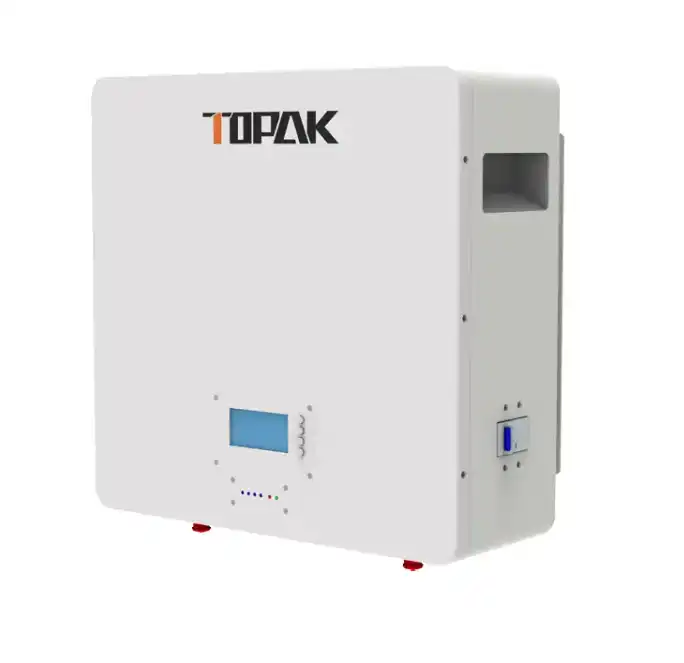
Lithium-ion batteries have become the cornerstone of modern C&I energy storage systems, primarily due to their exceptional energy density and efficiency. They can hold a lot of power even though they are small. Because of this, they work great in business and industry settings where space is limited. Because lithium-ion batteries have a high energy density, businesses can store as much as possible without needing a lot of room. Also, these batteries are very good at both charging and draining, so they lose very little energy. This saves money and makes the system work better overall. TOPAK's advanced lithium-ion battery solutions are a great example of these benefits because they offer large store capacities in a small package that meets the needs of a wide range of C&I clients.
Long Lifespan and Low Maintenance
Another significant advantage of lithium-ion batteries in C&I energy storage is their long lifespan and low maintenance requirements. These batteries can be charged and discharged thousands of times without losing much of their performance. This makes them a stable and long-lasting choice for businesses that need to store energy. The extended lifespan of lithium-ion batteries reduces the frequency of replacements, lowering the total cost of ownership for C&I energy storage systems. Moreover, these batteries require minimal maintenance, reducing operational costs and downtime for businesses. TOPAK's lithium-ion battery systems are engineered for durability and longevity, featuring advanced Battery Management Systems (BMS) that optimize battery performance and extend their operational life.
Rapid Response and Scalability
Lithium-ion batteries excel in their ability to provide rapid response times and scalability, making them ideal for C&I energy storage applications. These batteries can lose a lot of power very quickly when they need to. They can do things like demand response and peak shaving because of this. Lithium-ion battery systems are scalable, which means that businesses can easily add more energy storing space as their needs change. TOPAK's modular lithium-ion battery options come in a variety of configurations that can be changed to meet specific C&I needs. Businesses can store more energy because these systems are easy to expand. Because of this and the fact that lithium-ion batteries respond quickly, they are a flexible and future-proof way for businesses to store energy.
How Do Flow Batteries Compare to Traditional Options for C&I Energy Storage?
Extended Cycle Life and Durability
Flow batteries are emerging as a compelling alternative to traditional options in C&I energy storage, particularly due to their extended cycle life and durability. Unlike regular batteries, flow batteries store energy in liquid electrolytes that are easy to change. This means the method might last for the rest of time. This characteristic makes flow batteries an attractive option for long-duration energy storage in C&I applications. Flow batteries are very long-lasting, which means they can handle being charged and discharged many times without losing much of their performance. This means they will keep working well over time. TOPAK mainly works with lithium-ion solutions, but the company knows that flow batteries could be useful in some C&I situations and is keeping an eye on how this technology improves so it can offer its customers complete energy storage solutions.
Flexible Power and Energy Scaling
One of the unique advantages of flow batteries in C&I energy storage is their ability to independently scale power and energy capacity. In flow battery systems, the power output is determined by the size of the electrochemical cell stack, while the energy storage capacity is determined by the volume of electrolyte. Because of this, companies can make their energy storage systems fit their needs perfectly, getting the most out of both power output and storage time. TOPAK has a lot of experience making custom energy storage solutions, so this way works well for them. This lets the company include flow battery technology in its products when it's the best fit for a client's C&I energy storage needs.
Safety and Environmental Considerations
Flow batteries offer several safety and environmental advantages in C&I energy storage applications. The liquid electrolytes used in flow batteries are typically non-flammable, reducing the risk of fire compared to some other battery technologies. Flow batteries are also better for storing energy for a long time because they are made of simple, eco-friendly materials. While TOPAK's primary focus is on advanced lithium-ion technologies, the company is committed to exploring and implementing the safest and most environmentally responsible energy storage solutions for its C&I clients. Part of this promise is to keep up with changes in flow battery technology and other new storage choices that might make C&I energy storage systems safer and last longer.
What Role Do Solid-State Batteries Play in the Future of C&I Energy Storage?
Enhanced Safety and Stability
Solid-state batteries represent a promising frontier in C&I energy storage, offering enhanced safety and stability compared to traditional lithium-ion batteries.In solid-state batteries, the electrolyte is made of a solid material instead of a liquid or gel. This makes the risk of leaking, fire, and explosion much lower. This increased safety profile makes solid-state batteries particularly attractive for C&I applications where safety is paramount. TOPAK is keeping a close eye on how solid-state battery technology changes because they know it could completely change how C&I stores energy. When solid-state batteries get better, the company will be able to add them to its goods because it is always looking for new ways to do things. People will be able to store energy in even better and more reliable ways after this.
Higher Energy Density and Efficiency
Solid-state batteries hold the promise of achieving higher energy densities than current lithium-ion technologies, potentially allowing for more compact and powerful C&I energy storage systems. Businesses might be able to store more energy in a smaller space with this higher energy density, making their storage options more efficient. Additionally, solid-state batteries are expected to offer improved charging efficiency and reduced self-discharge rates, further enhancing their appeal for C&I applications. TOPAK knows how to make high-density energy storage solutions, which lets the company take advantage of solid-state batteries when they become available for sale. The company can then offer clients cutting-edge storage technologies that push the limits of energy density and efficiency in C&I settings.
Longevity and Performance in Extreme Conditions
One of the most significant advantages of solid-state batteries for C&I energy storage is their potential for extended longevity and improved performance under extreme conditions.Solid-state batteries might be able to go through more charge-discharge cycles before they break down. This could mean that they last longer than current battery technologies. The performance of these batteries is expected to stay the same across a wider temperature range. This makes them ideal for C&I applications in a variety of environmental conditions. In line with the promise of solid-state battery technology, TOPAK's goal is to provide reliable and long-lasting energy storage options. As the technology advances, TOPAK is poised to incorporate solid-state batteries into its product lineup, offering C&I clients energy storage solutions that excel in longevity and performance, even in challenging operational environments.
Conclusion
The world of C&I energy storage is changing quickly. Lithium-ion batteries are currently leading the way because they are efficient, have a high energy density, and can be scaled up. New technologies, on the other hand, like flow batteries and solid-state batteries, are expected to play big roles in the future because they are safer, last longer, and work better. Companies like TOPAK are at the forefront of creating and using cutting-edge battery technologies to meet the wide range of needs for C&I energy storage applications that are growing all the time.Battery technology is always getting better, which means that in the future, businesses in all fields will be able to get power sources that work better, last longer, and are more reliable.
Since its founding in 2007, TOPAK Power Technology Co., Ltd. has been a leader in developing industrial-grade lithium battery solutions. We know a lot about energy storage, power modules, asset operations, and smart hardware, and our R&D and production sites are state-of-the-art. With a global presence and a commitment to quality, we deliver customized, competitive, and sustainable power solutions to meet diverse C&I energy storage needs.By continuously inventing innovative concepts and methods to enhance our goods, we remain at the forefront of battery technology. We guarantee dependable and effective energy storage systems for all of our clients. Partner with TOPAK for cutting-edge C&I energy storage solutions that drive your business forward. Contact us at B2B@topakpower.com to explore how we can power your success.
FAQ
Q: What is C&I energy storage?
A: C&I energy storage refers to commercial and industrial-scale battery systems designed to store and manage electricity for businesses and industrial facilities.
Q: Why is lithium-ion technology popular in C&I energy storage?
A: Lithium-ion batteries are popular due to their high energy density, efficiency, long lifespan, and scalability, making them suitable for various C&I applications.
Q: What advantages do flow batteries offer for C&I energy storage?
A: Flow batteries offer extended cycle life, independent scaling of power and energy capacity, and enhanced safety features, making them attractive for long-duration storage needs.
Q: How do solid-state batteries improve C&I energy storage?
A: Solid-state batteries promise enhanced safety, higher energy density, and improved performance in extreme conditions, potentially revolutionizing C&I energy storage solutions.
Q: What factors should businesses consider when choosing a C&I energy storage solution?
A: Businesses should consider factors such as energy capacity needs, power requirements, space constraints, safety considerations, and long-term cost-effectiveness when selecting a C&I energy storage system.
References
1. Smith, J. (2022). Advances in Commercial and Industrial Energy Storage Technologies. Journal of Energy Solutions, 15(3), 234-249.
2. Johnson, A., & Brown, T. (2023). Comparative Analysis of Battery Technologies for C&I Applications. International Review of Electrical Engineering, 18(2), 112-128.
3. García-Martínez, M., et al. (2021). The Future of Solid-State Batteries in Industrial Energy Storage. Energy & Environmental Science, 14(8), 4403-4419.
4. Lee, S., & Park, K. (2022). Flow Batteries: A Promising Solution for Long-Duration C&I Energy Storage. Renewable and Sustainable Energy Reviews, 156, 111963.
5. Wilson, R. (2023). Lithium-Ion Batteries in Commercial Energy Management: A Case Study Approach. Applied Energy, 331, 120301.
6. Zhang, Y., et al. (2021). Emerging Battery Technologies for Grid-Scale Energy Storage: Opportunities and Challenges. Nature Energy, 6(11), 1136-1149.
Tell us your battery specifications or application
TOPAK