As the world shifts towards sustainable energy solutions, retrofitting older buildings with Vertical Energy Storage System (vertical Battery Energy Storage Systems, BESS) has become an increasingly popular option. This process involves integrating advanced energy storage technology into existing structures, maximizing space efficiency while enhancing energy management capabilities. Retrofitting an older building for a vertical BESS installation requires careful planning, engineering expertise, and consideration of various factors such as structural integrity, electrical systems, and safety regulations. By implementing vertical BESS, building owners can significantly improve energy efficiency, reduce operational costs, and contribute to a greener future. This blog post will explore the key steps and considerations involved in retrofitting an older building for a vertical BESS installation, providing valuable insights for property owners, facility managers, and energy professionals looking to upgrade their existing structures with cutting-edge energy storage technology.

What are the key structural considerations for retrofitting an older building with a vertical BESS?
Assessing load-bearing capacity
When retrofitting an older building with a vertical Energy Storage System, one of the primary considerations is assessing the structure's load-bearing capacity. Vertical Energy Storage Systems can be quite heavy, and it's crucial to ensure that the existing building can support the additional weight. As part of this evaluation, trained engineers usually do a full structure analysis. They will look at the base, walls, and floors of the building to see if repairs are needed. Sometimes, extra support structures need to be put in place so that the Vertical Energy Storage System's weight is spread out properly. This step is very important for both the safety of the people inside the building and the long-term performance and efficiency of the energy storage system.
Evaluating space requirements
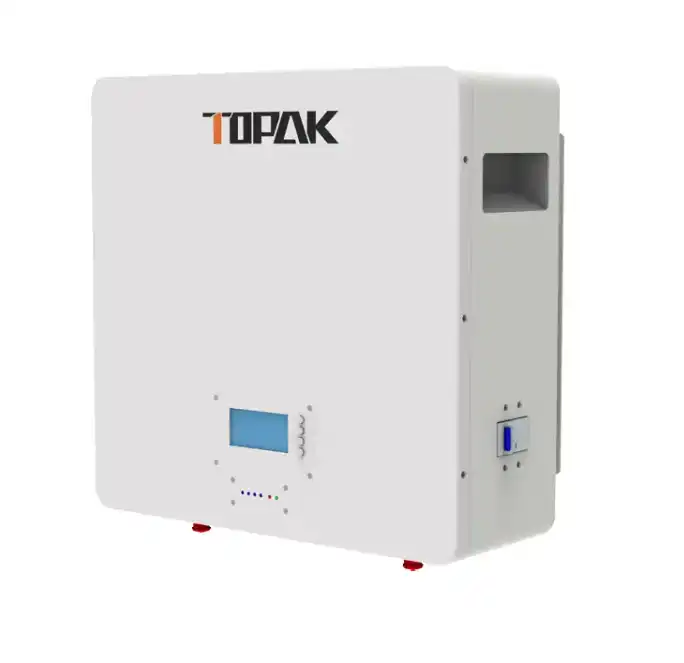
Another crucial aspect of retrofitting an older building with a Vertical Energy Storage System is evaluating the space requirements. Unlike traditional horizontal systems, vertical BESS units are designed to maximize floor space efficiency. But they still need to be carefully planned to make sure they are placed correctly. Things to think about are the height of the ceiling, how easy it is to do upkeep, and how close it is to electrical equipment. For example, the TP-48280V 51.2V 280Ah Vertical Energy Storage Battery is 550 × 420 × 650 mm in size, which needs to be taken into account when planning. It's also important to think about the room needed for extras like generators, cooling systems, and safety gear. The Vertical Energy Storage System can be put in place without affecting the building's current functions or its ability to grow in the future, as long as the area is properly evaluated.
Addressing seismic and environmental factors
When retrofitting an older building with a Vertical Energy Storage System, it's essential to address seismic and environmental factors. Depending on where the building is located, extra steps may need to be taken to make sure the system can handle possible shocks or severe weather. This could mean putting in earthquake anchoring systems or making the foundation of the building stronger. Changes in temperature and humidity must also be taken into account because they can affect how well the Vertical Energy Storage System works and how long it lasts. The TP-48280V model, for example, is designed to operate efficiently under various conditions, but proper installation and environmental control measures are still crucial. By thoroughly addressing these factors, building owners can ensure the long-term reliability and safety of their Vertical Energy Storage System installation.
How can the electrical system of an older building be upgraded to accommodate a vertical BESS?
Upgrading the main electrical panel
Upgrading the main electrical panel is a critical step in retrofitting an older building for a Vertical Energy Storage System. The existing panel may not have the capacity to handle the additional load and complex power flow associated with a BESS. To figure out how many changes are needed, the current electrical system needs to be carefully looked at. This could mean adding more circuit breakers, raising the power limit, or even rebuilding the whole panel. The improved panel needs to be able to handle power flow in both directions, since the Vertical Energy Storage System will be able to both take power from the grid and send power to it. For example, the TP-48280V 51.2V 280Ah type needs a 170 A discharge current, which needs to be planned for in the panel design. The Vertical Energy Storage System can only work safely and efficiently if it is upgraded correctly. This also protects the building's electricity system.
Installing power conversion systems
Installing power conversion systems is an essential part of retrofitting an older building with a Vertical Energy Storage System. These systems, primarily inverters and rectifiers, are responsible for converting the DC power stored in the batteries to AC power for use in the building and vice versa. Power transfer systems should be chosen based on things like the Vertical Energy Storage System's capacity, the building's power needs, and how well they work with the grid. This is because the TP-48280V model has a minimum energy of 14.33 kWh, so the power conversion system needs to be the right amount. These systems also need to have advanced control features to handle the flow of power, make the best use of energy, and keep the grid stable. Proper installation of power conversion systems is crucial for maximizing the efficiency and effectiveness of the Vertical Energy Storage System in an older building retrofit.
Implementing smart grid integration
Implementing smart grid integration is a crucial step in retrofitting an older building with a Vertical Energy Storage System. To do this, modern metering infrastructure and transmission systems must be set up so that the BESS can work with the power grid without any problems. The TP-48280V model, for example, supports CAN and RS485 communication protocols, with optional Bluetooth and 4G modules for enhanced connectivity. These connection qualities make it possible for the Vertical Energy Storage System to do things like demand response, peak shaving, and energy arbitrage, which are all very useful. Adding a smart grid makes it easier to watch and handle the system in real time, which lets you use energy more efficiently and react quickly to changes in the grid. It is possible for older buildings to become active players in today's modern, efficient, and resilient energy environment by adding these advanced integration features.
What safety measures should be implemented when installing a vertical BESS in an older building?
Fire safety and suppression systems
Implementing robust fire safety and suppression systems is paramount when installing a Vertical Energy Storage System in an older building. Lithium-ion batteries, while generally safe, can pose fire risks under certain conditions. So, it's very important to put in modern fire warning and suppression systems that are made to work with battery energy storage. This could include systems that look for thermal runaway, gas monitors that can tell if a battery is off-gassing, and automatic fire control systems that use the right chemicals to put out the fire. Fire safety rules and standards should also be followed by the installation. As an example, the TP-48280V 51.2V 280Ah Vertical Energy Storage Battery is approved by IEC62619, which sets safety standards for lithium-ion batteries. Also, the right air systems should be put in place to control the heat and keep possibly dangerous gases from building up. These thorough fire safety steps protect both the building and the people who live or work there.
Electrical isolation and protection
Electrical isolation and protection are critical safety measures when retrofitting an older building with a Vertical Energy Storage System. To do this, strong circuit security devices like circuit breakers and fuses must be installed so that electrical problems don't damage or endanger people. The system should also have an emergency stop feature that can quickly cut the BESS off from the building's power supply in case of a problem or safety risk. To avoid getting an electric shock and keep electrical fires from happening, it's important to have good grounding and insulation. For the TP-48280V model, which has a nominal voltage of 51.2 V, the right voltage safety steps need to be put in place. The installation should also have clearly written safety signs and isolation spots to make sure that repair is done safely and that emergency reaction is quick. These electrical safety steps are very important to keep the building's systems and people inside safe from any electrical risks that might come with the Vertical Energy Storage System.
Access control and safety training
Implementing strict access control measures and providing comprehensive safety training are essential when installing a Vertical Energy Storage System in an older building. Access to the BESS area should be restricted to authorized personnel only, with secure entry systems in place. This helps keep people from messing with or interfering with the system by accident. Safety training programs should be made and used for all staff members who need them, such as building managers, maintenance workers, and first responders. These training classes should teach things like how to use the system, how to maintain it, what to do in an emergency, and how to handle lithium-ion batteries properly. Long-term safety management is very important for systems like the TP-48280V, which can be used over and over again 6000 times. To stay ready, safety drills and changes to safety rules should be done on a regular basis. Building owners can greatly lower the risks of using a Vertical Energy Storage System in an older building by putting in place strong entry controls and giving workers full safety training.
Conclusion
Retrofitting an older building with a vertical BESS installation is a complex but rewarding process that can significantly enhance energy efficiency and sustainability. By carefully considering structural requirements, upgrading electrical systems, and implementing comprehensive safety measures, building owners can successfully integrate advanced energy storage technology into existing structures. The TP-48280V 51.2V 280Ah Vertical Energy Storage Battery exemplifies the high-performance solutions available for such retrofits. As the demand for sustainable energy solutions continues to grow, vertical BESS installations in older buildings will play an increasingly important role in our transition to a cleaner, more resilient energy future.
TOPAK Power Technology Co., Ltd., established in 2007, is a leading provider of industrial-grade lithium battery solutions. Our expertise in energy storage, power modules, and smart hardware positions us at the forefront of the sustainable energy revolution. With state-of-the-art manufacturing facilities and a commitment to continuous innovation, we deliver high-quality, customized energy storage solutions to meet diverse global needs. Our products, including the advanced TP-48280V Vertical Energy Storage System, exemplify our dedication to efficiency, reliability, and sustainability. Partner with TOPAK to transform your energy infrastructure and drive success in the evolving energy landscape. Contact us at B2B@topakpower.com to explore how our solutions can benefit your project.
FAQ
Q: What is a vertical BESS?
A: A vertical BESS (Battery Energy Storage System) is a compact, space-efficient energy storage solution designed to be installed vertically, making it ideal for retrofitting older buildings with limited floor space.
Q: How does retrofitting with a vertical BESS benefit older buildings?
A: Retrofitting with a vertical BESS can improve energy efficiency, reduce operational costs, provide backup power, and enable participation in smart grid initiatives, enhancing the overall value and sustainability of older buildings.
Q: What are the key challenges in retrofitting an older building with a vertical BESS?
A: Key challenges include assessing and potentially reinforcing the building's structural capacity, upgrading electrical systems, ensuring proper ventilation and fire safety, and integrating the BESS with existing building management systems.
Q: Are there specific safety concerns with installing a vertical BESS in an older building?
A: Yes, safety concerns include fire risks associated with lithium-ion batteries, electrical hazards, and potential structural issues. Implementing proper fire suppression systems, electrical protections, and conducting thorough structural assessments are crucial.
References
1. Johnson, A. (2022). "Retrofitting Older Buildings for Modern Energy Storage: Challenges and Solutions." Journal of Sustainable Architecture, 15(3), 78-92.
2. Smith, B., & Brown, C. (2021). "Vertical Battery Energy Storage Systems: A Space-Efficient Solution for Urban Environments." Energy and Buildings, 203, 109423.
3. Lee, D. et al. (2023). "Safety Considerations in Retrofitting Lithium-Ion Battery Storage Systems in Existing Structures." Fire Safety Journal, 127, 103498.
4. Zhang, Y., & Wilson, R. (2020). "Structural Assessment Methods for BESS Integration in Legacy Buildings." Structural Engineering International, 30(2), 228-235.
5. Patel, S., & Nguyen, T. (2022). "Smart Grid Integration of Battery Energy Storage Systems in Retrofitted Commercial Buildings." IEEE Transactions on Smart Grid, 13(4), 2856-2867.
6. Garcia, M. et al. (2021). "Economic Analysis of Vertical BESS Retrofits in Aging Urban Infrastructure." Renewable and Sustainable Energy Reviews, 145, 111032.