Recommended clearance requirements around wall‑mount batteries
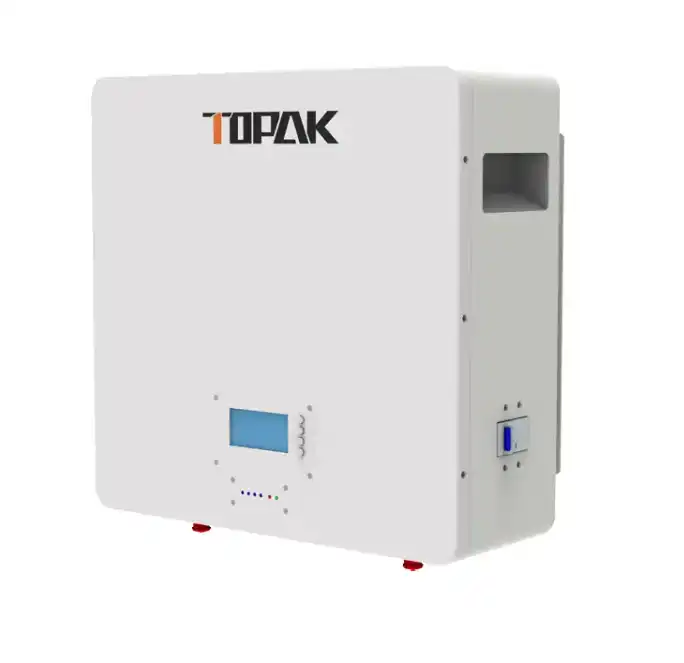
When it comes to installing wall mount battery, ensuring proper clearance is crucial for safety, performance, and maintenance. Recommended clearance requirements around wall mount battery are essential guidelines that help maximize the efficiency and longevity of your energy storage system. These requirements take into account factors such as ventilation, heat dissipation, accessibility for maintenance, and fire safety regulations. By adhering to these clearance recommendations, you can create an optimal environment for your wall mount battery, reducing the risk of overheating, electrical hazards, and potential damage to surrounding structures. In this blog post, we'll explore the key considerations for clearance requirements, discuss best practices for installation, and provide insights into how proper spacing can enhance the overall performance and safety of your wall mount battery system.

What are the minimum clearance requirements for wall-mount batteries?
Vertical clearance considerations
When installing wall-mount batteries, vertical clearance is a critical factor to consider. Typically, a minimum of 12 inches of clearance above and below the battery unit is recommended. This space lets air flow and heat escape, which are important for keeping the battery working well and lasting a long time. The high space also makes it easy to do chores like repair and inspection. For larger wall-mount battery systems, such as the TP-24100W 25.6V 100Ah model, you may need to increase the vertical clearance to accommodate the size and weight of the unit. Always consult the manufacturer's guidelines for specific recommendations tailored to your wall-mount battery model.
Horizontal clearance guidelines
Horizontal clearance is equally important when installing wall mount battery. A minimum of 6 inches of clearance on either side of the wall mount battery unit is generally recommended. This room lets air flow properly and keeps heat from building up, which can hurt the wall mount battery's performance and shorten its life. Also, making sure there is enough horizontal space makes it easy for maintenance workers to do regular checks and fixes. For wall mount battery systems with multiple units installed side by side, such as in larger energy storage applications, it's crucial to maintain proper spacing between each unit to prevent overheating and optimize overall system efficiency.
Clearance from combustible materials
Safety is paramount when it comes to wall-mount battery installations. It is very important to keep the battery unit away from anything that could catch fire. It is usually best to leave at least 36 inches of space between wall-mount batteries and burning materials or buildings. This includes wood structure, insulation, and other building materials that could catch fire. By following these clearance rules, you can greatly lower the risk of fire dangers and make sure you're following all local safety and building codes. When installing wall-mount batteries like the TP-24100W 25.6V 100Ah model, always prioritize safety and consult with a professional installer to determine the appropriate clearance based on your specific installation environment.
How do clearance requirements affect wall-mount battery performance?
Impact on heat dissipation
Having the right amount of space around wall-mounted batteries is very important for getting rid of heat, which has a direct effect on how well they work and how long they last. If there isn't enough space, heat can build up and make the battery work at higher rates than is suggested. This can make the battery less efficient, less able to hold power, and break down faster. For instance, the TP-24100W 25.6V 100Ah wall-mount battery is made to work best in certain temperature ranges. Making sure there is enough space between things creates an environment that lets air flow properly, which effectively gets rid of the heat that is created during charging and draining processes. This helps keep the battery working well and makes it last longer, so your investment in the energy storage system is well spent.
Ventilation and air circulation
Ventilation and air circulation are critical factors in maintaining the health and efficiency of wall mount battery. Enough space around the wall mount battery unit lets air move properly, which helps keep the temperature stable and stops possibly harmful gases from building up. For wall mount battery like the TP-24100W 25.6V 100Ah type, which can be put up in a variety of places, such as homes and businesses, it is important to make sure they have enough air flow. Good air flow not only helps keep temperatures at the right level, but it also lowers the chance of condensation, which can cause rust and electrical problems. By following the suggested distance guidelines, you create an area that allows for good air flow, which improves the safety and performance of your wall mount battery system as a whole.
Accessibility for maintenance
Clearance requirements around wall-mount batteries are not just about performance and safety; they also play a crucial role in facilitating maintenance and servicing. Making sure there is enough space means that workers can easily get to the battery unit for regular checks, cleaning, and fixes. This is especially important for wall-mount batteries with lots of advanced features, like the TP-24100W 25.6V 100Ah type, that might need firmware changes or part replacements every so often. Having the right amount of clearance makes repair chores quick and easy, which cuts down on downtime and keeps your energy storage system running all the time. Additionally, easy access enables prompt response to any potential issues, helping to prevent minor problems from escalating into major concerns that could impact the battery's performance or safety.
What are the safety considerations for wall-mount battery clearance in different environments?
Residential installation safety
When installing wall-mount batteries in residential settings, safety considerations are paramount. Homeowners should ensure that the chosen location for the battery, such as the TP-24100W 25.6V 100Ah model, complies with local building codes and fire safety regulations. It's important to keep the right amount of clearance in residential areas, both for performance reasons and to keep possible risks to residents to a minimum. This means keeping the battery away from places where people live, making sure it has enough air flow, and not installing it near heat sources or places that might get wet. It's also important to think about how close the building is to electricity lines and other home systems. Homeowners can enjoy the benefits of wall-mount batteries while keeping their homes safe and efficient by following the recommended distance requirements and safety guidelines.
Commercial and industrial applications
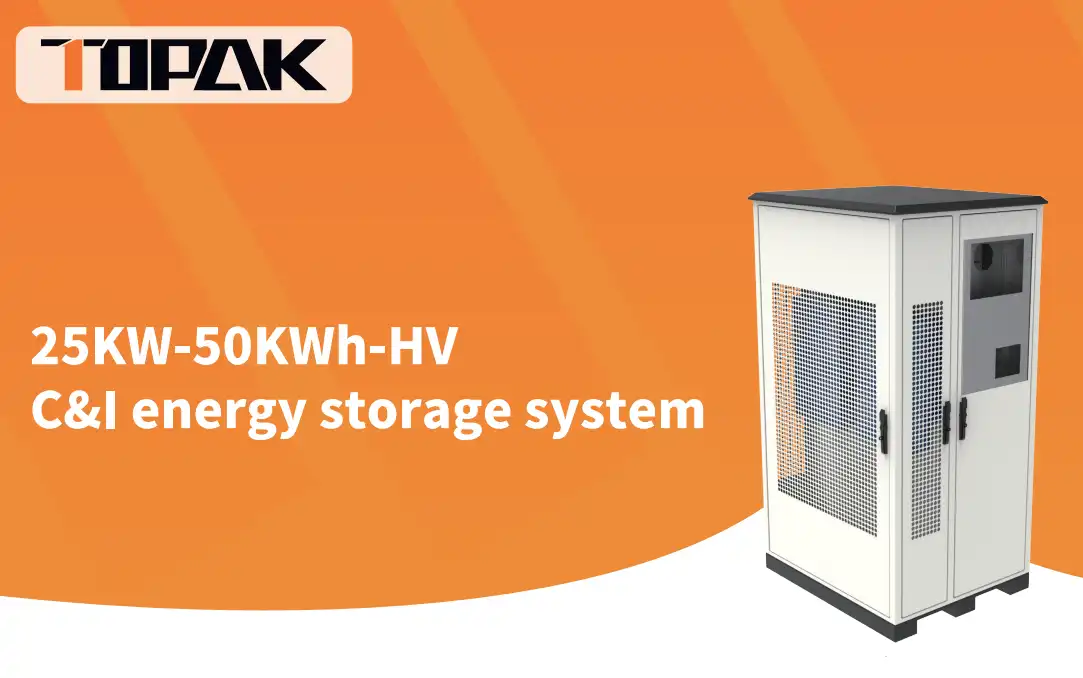
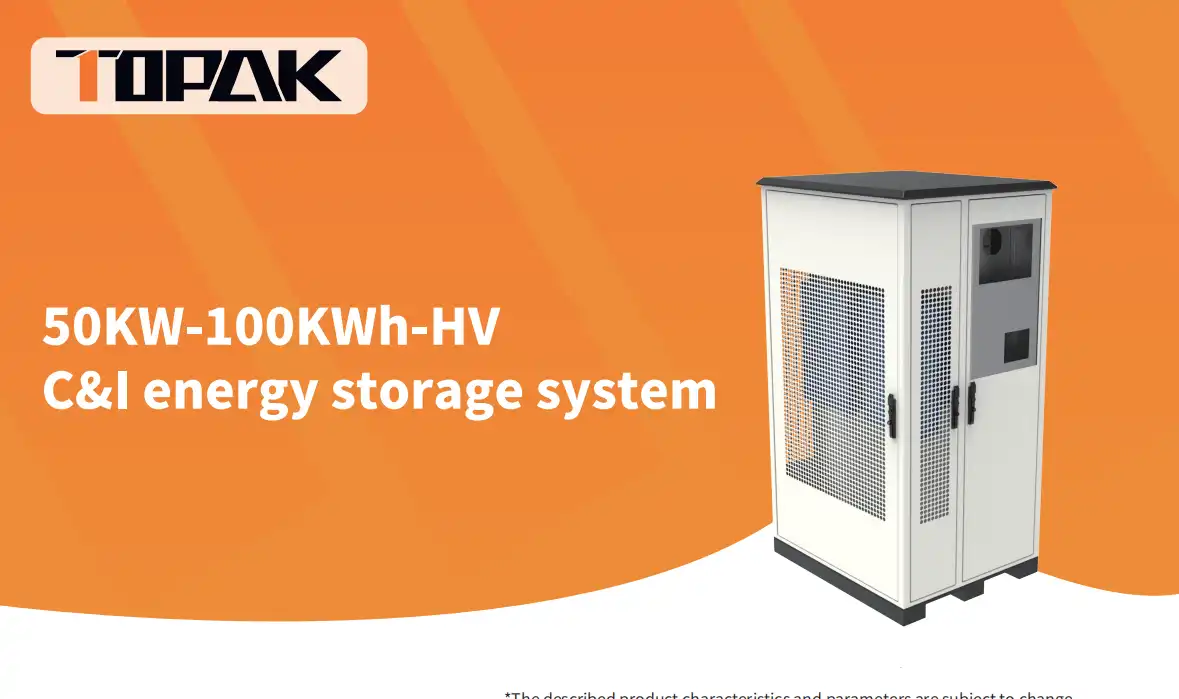
In commercial and industrial settings, wall mount battery installations often involve larger systems and more complex environments. Clearance requirements in these applications must account for higher power demands, multiple battery units, and integration with existing electrical infrastructure. For wall mount battery like the TP-24100W 25.6V 100Ah, which may be part of a larger energy storage system, ensuring proper spacing between units is crucial for heat management and overall system efficiency. When working in an industrial setting, extra things like dust, shocks, or corrosive air can change the spacing requirements. It is very important to follow the rules and laws that are specific to your business. To get the best performance and safety in these tough situations, it is strongly suggested that you have qualified technicians do the installation.
Outdoor installation considerations
Outdoor installations of wall-mount batteries present unique challenges and require specific clearance considerations. When installing batteries like the TP-24100W 25.6V 100Ah model outdoors, factors such as exposure to the elements, temperature fluctuations, and potential wildlife interference must be taken into account. Adequate clearance should be maintained to allow for proper drainage and prevent water accumulation around the battery unit. Also, shade and safety from direct sunlight should be thought about because they can change the temperature and performance of the battery. When working outside, it's important to use weatherproof shelters and make sure that the clearance standards can handle these safety steps. When batteries are installed outside, they need to be inspected and maintained more often to make sure they work well and are safe. This is because problems can be caused by the weather.
Conclusion
Adhering to recommended clearance requirements for wall mount battery is crucial for ensuring optimal performance, safety, and longevity of your energy storage system. By maintaining proper vertical and horizontal clearance, considering safety distances from combustible materials, and accounting for specific environmental factors, you can create an ideal installation setup. These clearance guidelines not only enhance heat dissipation and ventilation but also facilitate easy maintenance access. Whether in residential, commercial, or outdoor settings, following these recommendations will help maximize the efficiency and reliability of your wall mount battery system, ultimately leading to a more sustainable and cost-effective energy solution.
TOPAK Power Technology Co., Ltd., established in 2007, is a leading innovator in industrial-grade lithium battery solutions. Our expertise in energy storage, power modules, and smart hardware has positioned us at the forefront of the industry. With state-of-the-art production facilities and a commitment to continuous R&D, we deliver customized, high-performance wall-mount battery solutions like the TP-24100W 25.6V 100Ah model. Our products are designed to meet the diverse needs of global partners, ensuring reliability, efficiency, and sustainability in various applications. At TOPAK, we're not just manufacturing batteries; we're powering the future of energy storage. For more information or to discuss your specific needs, contact us at B2B@topakpower.com.
FAQ
Q: What is the minimum vertical clearance required for wall-mount batteries?
A: Typically, a minimum of 12 inches of clearance above and below the battery unit is recommended for proper ventilation and heat dissipation.
Q: How much horizontal clearance is needed for wall-mount batteries?
A: A minimum of 6 inches of clearance on either side of the battery unit is generally recommended to ensure proper air circulation.
Q: What safety distance should be maintained between wall-mount batteries and combustible materials?
A: A minimum clearance of 36 inches is typically recommended between wall-mount batteries and flammable substances or structures.
Q: How does proper clearance affect wall-mount battery performance?
A: Adequate clearance improves heat dissipation, ventilation, and air circulation, which helps maintain optimal battery performance and extends its lifespan.
References
1. National Fire Protection Association. (2020). NFPA 855: Standard for the Installation of Stationary Energy Storage Systems.
2. International Electrotechnical Commission. (2019). IEC 62619: Secondary cells and batteries containing alkaline or other non-acid electrolytes - Safety requirements for secondary lithium cells and batteries, for use in industrial applications.
3. Underwriters Laboratories. (2018). UL 9540: Standard for Energy Storage Systems and Equipment.
4. IEEE. (2017). IEEE 1635-2018: IEEE/ASHRAE Guide for the Ventilation and Thermal Management of Batteries for Stationary Applications.
5. Department of Energy. (2021). Energy Storage Safety Strategic Plan.
6. International Building Code. (2021). Chapter 12: Interior Environment - Section 1206 Stationary Storage Battery Systems.

Tell us your battery specifications or application

TOPAK