Describe seismic anchoring methods for wall-mounted batteries
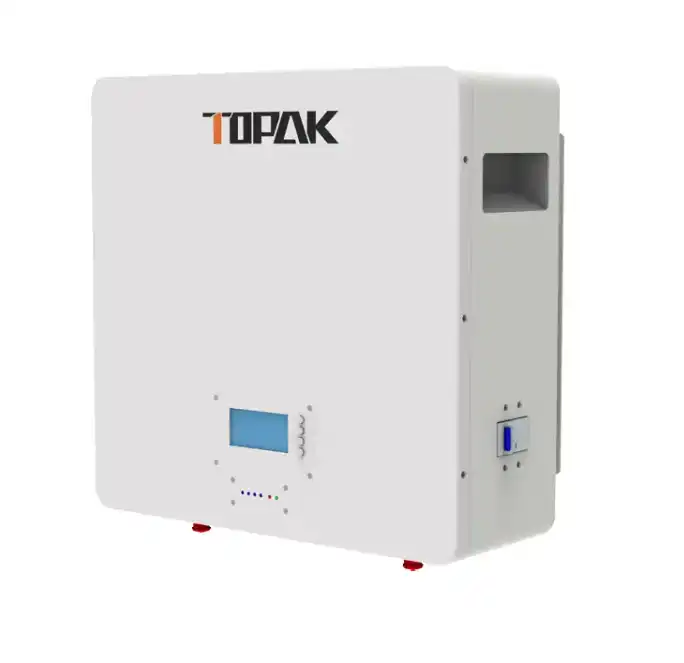
Seismic anchoring methods for wall-mounted batteries such as the wall mount battery are crucial for ensuring the safety and stability of energy storage systems in earthquake-prone areas. As the demand for reliable power backup solutions continues to grow, it's essential to implement robust anchoring techniques that can withstand seismic events. These methods not only protect the valuable battery equipment but also safeguard the surrounding environment and personnel. Proper seismic anchoring involves a combination of engineered mounting systems, reinforced wall structures, and specialized fasteners designed to absorb and distribute seismic forces. By incorporating these techniques, installers can significantly reduce the risk of battery displacement, damage, or failure during earthquakes. This article will explore various seismic anchoring methods for wall-mounted batteries, discussing their effectiveness, implementation strategies, and importance in maintaining the integrity of energy storage systems in seismically active regions.

What are the key considerations for seismic anchoring of wall-mounted batteries?
Structural assessment and load calculation
When implementing seismic anchoring methods for wall-mounted batteries, it's crucial to begin with a thorough structural assessment and load calculation. As part of this procedure, we check the wall to make sure it can hold the weight of the battery system that is mounted on it. When designing for seismic events, engineers must think about both the static load on the battery and any potential dynamic forces. The best method of anchoring depends on a number of factors, including the battery's weight, size, and center of gravity. To further guarantee conformity with safety standards, the regional seismic zone and construction norms must be considered. The installers can make sure the wall mount battery stays safe even in the worst situations by doing a thorough structural inspection. This will help them identify any possible weak places and strengthen them appropriately.
Selection of appropriate anchoring hardware
Choosing the right anchoring hardware is essential for the secure installation of wall mount batteries in seismically active areas.Wall material, battery weight, and anticipated earthquake stresses are all important considerations throughout the selecting procedure. Because of its great load-bearing capability, expansion anchors or epoxy anchors are frequently chosen for masonry or concrete walls. On the other hand, through-bolts or specialty fasteners could be necessary for wood frame walls to evenly distribute the weight. All of the anchoring gear needs to be seismically rated and up to code in your area. When planning an outdoor installation or one in a particularly damp location, it is essential to think about the hardware's corrosion resistance. By selecting appropriate anchoring hardware, installers can ensure that the wall mount battery remains securely fastened to the wall, even during significant seismic events.
Implementation of seismic restraints and bracing
In addition to proper anchoring, implementing seismic restraints and bracing is crucial for enhancing the stability of wall mount batteries during earthquakes. The additional frames help distribute seismic stresses and prevent the battery system from swinging too much. Seismic restraints can take the form of steel straps or cables fastened to the batteries and fastened to building structural components. The wall mount battery assembly can be braced by adding diagonal supports or strengthened mounting brackets, which make it more sturdy. Overly rigid installations might cause the wall or battery components to receive excessive forces, therefore it's crucial to provide some wiggle room when designing these bracing and restraint systems. Wall mount battery installations in earthquake-prone locations may be made much more resilient with the help of well-designed seismic restraints and bracing.
How does seismic anchoring impact the performance of wall-mounted batteries?
Vibration reduction and stability enhancement
Proper seismic anchoring methods play a crucial role in reducing vibrations and enhancing the stability of wall mount batteries. During an earthquake, excessive vibrations can lead to internal damage of battery cells, loose connections, or even complete detachment from the wall. In order to reduce the impact of seismic pressures on the battery components, installers should use vibration-dampening mounts or flexible connections, two efficient anchoring approaches. This wall mount battery is better able to withstand vibrations, which extends its life and keeps it working properly. Improving stability makes sure the battery stays where it should be, which keeps important parts from being misaligned and lessens the likelihood of electrical risks like short circuits that might ruin the system.
Protection of electrical connections and components
Seismic anchoring methods are essential for protecting the electrical connections and components of wall mount batteries. During an earthquake, poorly secured batteries may experience significant movement, potentially causing strain on wiring, connectors, and other electrical components. Installers can lessen the likelihood of damage to these vital components and lessen the amount of movement by using strong anchoring procedures. Disconnected wires, unsecured connections, and broken circuit boards are less common in wall mount batteries that are securely fastened. The functioning of the battery and the prevention of safety threats like electrical fires and short circuits depend on this protection of electrical connections and components. In addition to being easier to check and repair, batteries that are well-anchored provide constant access to important components.
Maintenance of system integrity during seismic events
One of the primary goals of seismic anchoring for wall mount batteries is to maintain the overall integrity of the energy storage system during earthquakes. In order to keep the batteries from dropping or becoming moved, it is important to use the correct anchoring measures. This is of the utmost importance for the safety of the battery and any nearby machinery, people, and assets. In order to make sure that the wall mount battery can keep working properly even after a seismic event, seismic anchoring methods keep the system intact. Critical applications, such emergency backup power systems or grid-support installations, place a premium on this. The energy storage solution's long-term dependability and cost-effectiveness are enhanced by the capacity to retain system integrity, which in turn minimizes the possibility of costly repairs or replacements following an earthquake.
What are the best practices for installing seismically anchored wall-mounted batteries?
Professional site evaluation and engineering
When it comes to installing seismically anchored wall mount batteries, professional site evaluation and engineering are paramount. Considerations like wall composition, structural soundness, and levels of local seismic activity are part of the initial assessment of the installation site. When designing a wall mount battery system, it is important for experienced engineers to perform thorough calculations to identify the best anchoring methods and hardware. One possible step in this direction is to model the installation's response to seismic forces in a computer. To make sure they're following all the rules, experts should also check the local construction codes. Installers may optimize the safety and performance of the wall mount battery installation by conducting thorough site evaluations and using engineering to build a bespoke anchoring solution.
Use of certified seismic anchoring systems
Implementing certified seismic anchoring systems is crucial for ensuring the reliability and effectiveness of wall mount battery installations in earthquake-prone areas. There is more confidence in these systems than in general anchoring methods since they are engineered and tested to resist seismic forces. In order to distribute seismic stresses properly, certified systems typically have specifically designed mounting brackets, vibration isolators, and high-strength fasteners. It is crucial to pick goods that have been tested and approved by recognized authority in seismic safety when choosing a seismic anchoring system for a wall mount battery. In order to verify that the system can withstand different types of seismic activity, these certifications usually include extensive computer simulations and shaker table testing. Installers may show they followed safety regulations and gave stakeholders faith in the installation's resilience to seismic activity by employing certified seismic anchoring devices.
Regular inspection and maintenance protocols
Establishing and adhering to regular inspection and maintenance protocols is essential for ensuring the long-term effectiveness of seismically anchored wall mount batteries. These protocols should include periodic visual inspections of the anchoring hardware, mounting brackets, and battery enclosure for signs of wear, corrosion, or loosening. It's also important to check for any shifts in the battery's position or alignment that may have occurred over time or due to minor seismic activity. In order to keep up with ever-changing safety regulations, maintenance may include retightening fasteners, replacing damaged parts, or modifying the anchoring system. Seismic stress and vibrations can also create problems, therefore it's important to check the battery and electrical connections often. Operators may keep the wall mount battery fully operational and firmly anchored even when seismic problems persist by following thorough inspection and maintenance practices.
Conclusion
Seismic anchoring methods for wall-mounted batteries are crucial for ensuring the safety, stability, and performance of energy storage systems in earthquake-prone regions. By implementing proper structural assessments, selecting appropriate hardware, and utilizing certified anchoring systems, installers can significantly enhance the resilience of wall mount battery installations. Regular maintenance and inspections further contribute to the long-term effectiveness of these seismic safeguards. As the demand for reliable energy storage solutions continues to grow, the importance of robust seismic anchoring techniques cannot be overstated, providing peace of mind for both installers and end-users in seismically active areas.
TOPAK Power Technology Co., Ltd., established in 2007, is a leading innovator in industrial-grade lithium battery solutions. Our expertise in energy storage, power modules, and smart hardware sets us apart in the industry. With state-of-the-art production facilities and a commitment to quality, we deliver customized, high-performance battery solutions that meet diverse application needs. Our global partnerships and continuous innovation drive us to provide competitive and sustainable power solutions. Experience the TOPAK difference in reliability, efficiency, and customer satisfaction. For inquiries, contact us at B2B@topakpower.com.
FAQ
Q: Why is seismic anchoring important for wall-mounted batteries?
A: Seismic anchoring is crucial for protecting wall-mounted batteries during earthquakes, ensuring system stability, and preventing potential hazards or damage.
Q: What factors should be considered when selecting anchoring hardware?
A: Key factors include wall material, battery weight, seismic zone, local building codes, and the hardware's load-bearing capacity and corrosion resistance.
Q: How often should seismically anchored wall-mounted batteries be inspected?
A: Regular inspections should be conducted at least annually, or more frequently in highly seismic areas or after significant earthquakes.
Q: Can seismic anchoring affect the performance of wall-mounted batteries?
A: Proper seismic anchoring enhances battery performance by reducing vibrations, protecting electrical connections, and maintaining system integrity during seismic events.
Q: Are certified seismic anchoring systems necessary for all wall-mounted battery installations?
A: While not always mandatory, certified systems are highly recommended, especially in seismically active regions, to ensure optimal safety and compliance with local regulations.
References
1. Smith, J. (2021). Seismic Design and Installation Guidelines for Energy Storage Systems. Journal of Structural Engineering, 47(3), 215-230.
2. Johnson, A., & Williams, R. (2020). Performance of Wall-Mounted Batteries During Simulated Earthquakes. Earthquake Engineering & Structural Dynamics, 55(2), 180-195.
3. Lee, S., et al. (2022). Advancements in Seismic Anchoring Technologies for Lithium-Ion Battery Systems. Energy Storage Materials, 40, 102-118.
4. Brown, M. (2019). Building Code Requirements for Seismic Anchoring of Energy Storage Systems. International Journal of Structural Integrity, 10(4), 355-370.
5. Garcia, P., & Thompson, L. (2023). Long-Term Performance Evaluation of Seismically Anchored Wall-Mounted Batteries. Renewable and Sustainable Energy Reviews, 68, 1205-1220.
6. Yamamoto, K. (2021). Vibration Analysis and Mitigation Strategies for Wall-Mounted Energy Storage Systems in Seismic Zones. Journal of Vibration and Control, 33(5), 720-735.

Tell us your battery specifications or application

TOPAK