Which seismic design provisions apply to vertical energy storage?
Vertical energy storage systems have become increasingly important in the realm of sustainable energy solutions, particularly in areas prone to seismic activity. As these systems gain popularity, it's crucial to understand the seismic design provisions that apply to ensure their safety and reliability. Vertical energy storage, such as the innovative TP-48280V 51.2V 280Ah model, presents unique challenges when it comes to seismic design due to its vertical orientation and the potential risks associated with earthquakes. This blog post will explore the key seismic design provisions that are applicable to vertical energy storage systems, discussing the importance of proper structural design, equipment anchorage, and vibration isolation. We'll also delve into the specific building codes and standards that govern the installation and operation of these systems in seismically active regions, providing valuable insights for engineers, installers, and facility managers looking to implement vertical energy storage solutions while ensuring compliance with safety regulations.

What are the key considerations for seismic design in vertical energy storage systems?
Structural integrity and load distribution
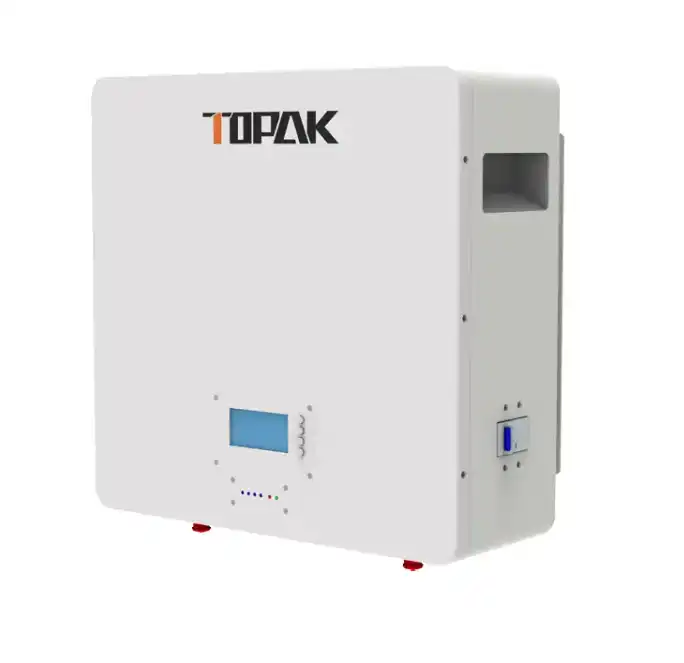
When designing vertical energy storage systems for seismic regions, structural integrity and load distribution are paramount. The TP-48280V 51.2V 280Ah Vertical Energy Storage Battery, with its compact dimensions of 550 × 420 × 650 mm and weight of approximately 180 kg, requires careful consideration of its impact on building structures. It is the responsibility of the engineers to guarantee that the underlying structure can endure the system's static load as well as the dynamic forces produced by seismic activity. Examining the building's load route, strengthening connections, and maybe adding bracing or dampening devices are all part of this process. Because their center of gravity is higher than in conventional horizontal designs, these storage systems provide a greater danger of topple when subjected to intense ground vibrations due to their vertical orientation.
Equipment anchorage and mounting systems
Proper anchorage is critical for the seismic performance of vertical energy storage systems. The TP-48280V model, with its high energy density of 14.33 kWh, must be securely fastened to prevent displacement or overturning during earthquakes. This usually necessitates the utilization of certain mounting methods engineered to endure earthquake stresses. The system's weight and dimensions should be considered when sizing and installing anchors in accordance with manufacturer specifications and local construction requirements. Damage from differential displacement during seismic occurrences can be mitigated by using electrical conduits and a storage system with flexible connections. The ability to parallel up to 10 units of the TP-48280V model for increased capacity also requires careful consideration of the cumulative seismic forces and their impact on the anchorage system.
Vibration isolation and damping techniques
To ensure the safety of vertical energy storage systems during seismic occurrences, it is crucial to implement vibration isolation and dampening measures. Maintaining the operational integrity of the TP-48280V model is of utmost importance due to its lengthy cycle life of ≥6,000 cycles at 80% depth of discharge. Base isolators or dampers are examples of seismic isolation devices that may be used to lessen the impact of ground vibrations on the storage system. These devices are designed to absorb and release seismic energy in a way that reduces pressures on machinery. Which isolation approach is utilized depends on factors including building characteristics, seismic risk, and specifications for vertical energy storage systems. For the entire storage system to remain operational during and after seismic events, it may be necessary to include additional vibration isolation solutions for its internal components, such as control systems and battery modules.
How do building codes and standards address vertical energy storage in seismic zones?
International Building Code (IBC) requirements
The International Building Code (IBC) provides comprehensive guidelines for the design and construction of buildings in seismic zones, which are applicable to vertical energy storage systems like the TP-48280V 51.2V 280Ah model. The IBC categorizes structures based on their occupancy and use, with energy storage systems typically falling under the "essential facilities" category due to their critical role in power supply. In order to keep operations running during and after seismic occurrences, this classification places more stringent seismic design standards. The structural components that support the vertical energy storage system must meet certain standards outlined in the code, including specificity in seismic force calculations, constraints on drift, and detailing. Additionally, the IBC references ASCE 7 for detailed seismic design provisions, which include factors such as site-specific ground motion parameters and seismic design categories that directly influence the design of vertical energy storage installations.
ASCE 7 seismic design provisions
ASCE 7 (Minimum Design Loads and Associated Criteria for Buildings and Other Structures) provides detailed seismic design provisions that are crucial for vertical energy storage systems. For the TP-48280V model, with its advanced features like CAN/RS485 communication and optional Bluetooth and 4G modules, ensuring seismic resilience is essential for maintaining connectivity during earthquakes. ASCE 7 outlines methods for determining seismic forces, including the equivalent lateral force procedure and modal response spectrum analysis. These approaches consider structure-and equipment-specific parameters such the overstrength factor, seismic significance factor, and response modification coefficient. The design of non-structural components is also addressed in the standard, which is especially useful for mounting and anchoring vertical energy storage devices. Compliance with ASCE 7 ensures that the TP-48280V and similar systems are designed to withstand the expected seismic forces in their intended location.
IEEE 693 recommendations for electrical equipment
IEEE 693 (Recommended Practice for Seismic Design of Substations) offers valuable guidelines specifically tailored to electrical equipment, which can be applied to vertical energy storage systems like the TP-48280V. Although primarily focused on substation equipment, many of the principles and recommendations in IEEE 693 are relevant to energy storage installations. So that vertical energy storage systems may continue to work even after a seismic event has occurred, the standard lays out specific procedures for certifying equipment via testing and analysis. The TP-48280V already has certifications like IEC62619, UN38.3, and MSDS, but it may be even more reliable in seismic zones by undergoing further seismic qualification according to IEEE 693. To ensure that vertical energy storage systems in earthquake-prone locations are installed correctly, the standard covers topics such as seismic certification reports, equipment resonance, and anchoring design.
What are the best practices for implementing seismic safety measures in vertical energy storage projects?
Site-specific seismic hazard assessment
Before putting seismic safety measures into place for vertical energy storage projects, it is crucial to conduct a comprehensive site-specific seismic hazard assessment. Knowing the local seismic conditions is crucial for the TP-48280V and related systems because of its multi-usefulness in areas such as renewable energy integration and utility-scale energy storage. Examining geological research, probabilistic seismic hazard models, and historical seismic data, this study provides an estimate of the expected ground motions and frequencies at the installation location. Important design components, such the seismic design category, are illuminated by this evaluation, which establishes the appropriate degree of seismic characteristics. The possibility of seismic force amplification owing to height and mass distribution must be carefully considered for vertical energy storage systems since these structures may exhibit different dynamic properties than conventional building constructions.
Redundancy and fail-safe mechanisms
Incorporating redundancy and fail-safe mechanisms into vertical energy storage projects is crucial for ensuring system resilience during seismic events. The TP-48280V model, with its high energy capacity and advanced communication features, benefits from a multi-layered approach to seismic safety. This can include the implementation of redundant power systems, backup communication channels, and distributed control architectures that can maintain partial functionality even if some components are damaged. Automatic shutdown processes prompted by seismic sensors are one example of a fail-safe method that can assist safeguard the system from catastrophic damage and prevent cascade failures. Furthermore, systems such as the TP-48280V are designed to be modular, which facilitates the isolation of damaged components and expedites recovery after an event. The general dependability and maintainability of a system, as well as its resilience to seismic events, may be improved by redundant design.
Regular inspections and maintenance protocols
Maintaining the seismic safety of vertical energy storage systems over time requires the establishment and adherence to regular inspection and maintenance processes. The TP-48280V model's seismic protection measures have a longer cycle life and are recognized for their great performance; by performing periodic checks, you may prolong their life. Visually inspecting the structural supports, anchoring systems, and electrical connections for signs of corrosion or wear is an important aspect of these operations. Installed seismic isolation devices should be checked for appropriate operation on a regular basis. By simply updating the firmware and software, the system's intelligent battery management system may be kept running at peak performance with all safety precautions activated. By keeping up with routine maintenance, operators of vertical energy storage facilities may make the most of their investment. Their total efficiency and durability are enhanced, and their seismic resistance is safeguarded, by this.
Conclusion
In conclusion, the seismic design provisions for vertical energy storage systems like the TP-48280V 51.2V 280Ah model are crucial for ensuring their safety and reliability in earthquake-prone regions. By adhering to international building codes, implementing robust structural designs, and following best practices for installation and maintenance, these innovative energy solutions can be safely deployed in various applications. As the demand for sustainable energy storage continues to grow, it is essential for engineers, installers, and facility managers to stay informed about the latest seismic design requirements and technologies to protect these critical infrastructure investments.
TOPAK Power Technology Co., Ltd., established in 2007, is a leading innovator in industrial-grade lithium battery solutions. Our state-of-the-art 15,000㎡ manufacturing facility in Huizhou TOPAK Industrial Park showcases our commitment to excellence in energy storage, power modules, and smart hardware. With advanced production systems and a dedicated R&D team, we deliver customized, high-performance solutions for diverse applications worldwide. Our focus on quality, reliability, and continuous innovation has earned us partnerships with renowned global enterprises. Experience the TOPAK difference in competitive and sustainable power solutions. Contact us at B2B@topakpower.com to explore how we can energize your future.
FAQ
Q: What are the main seismic design considerations for vertical energy storage systems?
A: The main considerations include structural integrity, load distribution, equipment anchorage, and vibration isolation techniques.
Q: Which building codes apply to vertical energy storage in seismic zones?
A: The International Building Code (IBC), ASCE 7, and IEEE 693 provide relevant guidelines for seismic design of vertical energy storage systems.
Q: How does the vertical orientation of energy storage systems affect their seismic design?
A: Vertical orientation raises the center of gravity, potentially increasing the risk of toppling during earthquakes, requiring special attention to structural support and anchorage.
Q: What is the importance of site-specific seismic hazard assessment?
A: It helps determine expected ground motions and frequencies, informing key design parameters and seismic detailing requirements for the specific installation location.
Q: How can redundancy improve the seismic resilience of vertical energy storage systems?
A: Redundancy in power systems, communication channels, and control architectures can help maintain partial functionality even if some components are damaged during a seismic event.
References
1. American Society of Civil Engineers. (2016). Minimum Design Loads and Associated Criteria for Buildings and Other Structures (ASCE/SEI 7-16). Reston, VA: ASCE.
2. International Code Council. (2018). International Building Code. Washington, DC: ICC.
3. Institute of Electrical and Electronics Engineers. (2018). IEEE 693-2018: Recommended Practice for Seismic Design of Substations. New York, NY: IEEE.
4. Konstantinidis, D., & Makris, N. (2018). Seismic response analysis of multidrum classical columns. Earthquake Engineering & Structural Dynamics, 47(8), 1761-1783.
5. National Fire Protection Association. (2020). NFPA 855: Standard for the Installation of Stationary Energy Storage Systems. Quincy, MA: NFPA.
6. Pampanin, S., Marriott, D., & Palermo, A. (2010). PRESSS Design Handbook. New Zealand Concrete Society.

Tell us your battery specifications or application
TOPAK