Installation structural requirements for wall-mounted batteries?
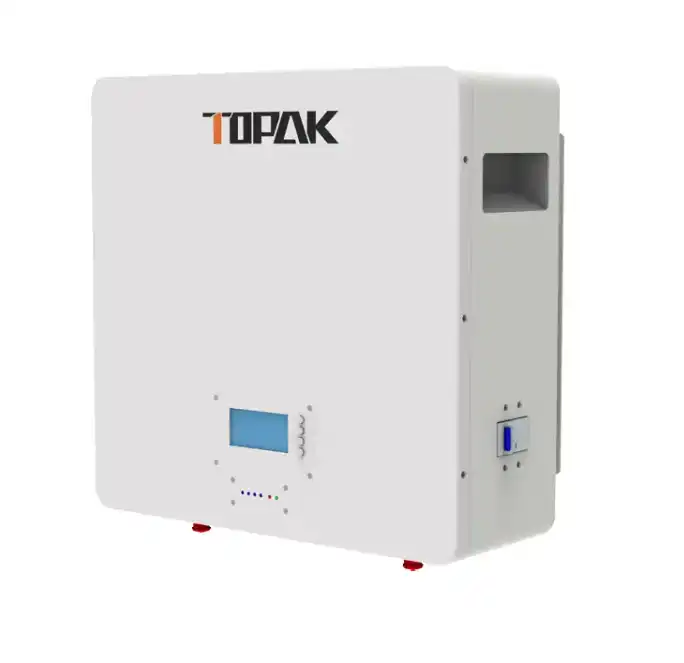
As the demand for efficient energy storage solutions continues to grow, wall-mounted batteries such as the wall mounted battery have emerged as a popular choice for both residential and commercial applications. These innovative systems offer a space-saving alternative to traditional floor-standing batteries, making them ideal for properties with limited space. However, to ensure optimal performance and safety, it is crucial to understand and adhere to the installation structural requirements for wall-mounted batteries. This blog will delve into the key considerations and guidelines for properly installing these advanced energy storage systems. From weight distribution and load-bearing capacity to electrical safety and ventilation, we'll explore the essential factors that contribute to a successful and secure wall-mounted battery installation. By following these requirements, homeowners and businesses can maximize the benefits of their energy storage solutions while maintaining the integrity of their building structures.

What are the load-bearing considerations for wall-mounted batteries?
Weight distribution and wall strength
When installing wall-mounted batteries, one of the primary concerns is the weight distribution and the strength of the supporting wall. Wall-mounted batteries can be quite heavy, often weighing between 50 to 100 kg or more, depending on their capacity. It is of the utmost importance to verify that the wall is structurally capable of bearing this weight. It is important to determine the wall's load-bearing capacity in detail before installation. Finding the wall's strength can need the assistance of a structural expert or the use of specialist machinery. In some cases, reinforcement of the wall may be necessary to safely accommodate the wall-mounted battery.
Mounting brackets and hardware
The choice of mounting brackets and hardware plays a vital role in the secure installation of wall-mounted batteries such as the wall mounted battery. These parts need to be engineered to withstand the size and weight of the battery system. If you want your product to last, utilize high-quality materials that are resistant to corrosion. Instead of merely anchoring the mounting brackets to the drywall or plaster, make sure they are securely fastened to the wall studs or other materials that sustain the load. When installing, make sure to use the exact number and kind of fasteners specified by the manufacturer. Additionally, the mounting system should allow for some adjustability to ensure the battery is level and properly aligned.
Seismic considerations
In areas prone to seismic activity, additional precautions must be taken when installing wall-mounted batteries. To keep the battery from falling off the wall in the case of an earthquake, the mounting mechanism needs to be sturdy enough to endure such disasters. For this, you might need to use mounting brackets and hardware designed specifically for seismic activity. Seismic protection for equipment installed on walls may be subject to local construction laws or restrictions. To make sure the installation is safe, it's a good idea to check with the relevant authorities in your area and follow their regulations. Additionally, in seismically active areas, it is critical to examine and maintain the mounting system on a regular basis to catch problems before they become safety threats. on.
How should electrical connections be managed for wall-mounted batteries?
Proper cable routing and management
Effective cable routing and management are critical aspects of wall-mounted battery installations. There should be as little mess, as little chance of harm, and as much ease of access for maintenance as possible when organizing the electrical connections. The placement of other electrical components and any interference sources must be carefully considered while routing cables for a wall-mounted battery installation. Protect and secure the cables using conduits, cable trays, or wire ties, which are all suitable methods for cable management. Ensure that all cables are properly sized to handle the expected current and voltage, and use high-quality, fire-resistant materials to enhance safety.
Accessibility for maintenance and repairs
While wall-mounted batteries such as the wall mounted battery are designed for compact installation, it's crucial to maintain accessibility for maintenance and potential repairs. Installation details should be such that the BMS, inverter connections, and safety disconnects are not in the way of easily accessible components. Think about putting the battery somewhere that's easy to reach without using any kind of ladders or other specialized tools. Technicians can operate more effectively and safely if there is enough space around the battery. Also, provide extra wiggle room when you design the installation in case you need to change parts or add on in the future.
Electrical safety measures
Implementing robust electrical safety measures is paramount when installing wall-mounted batteries. This includes proper grounding of the battery system to prevent electrical shock and minimize the risk of fire. Install appropriate circuit breakers and fuses to protect against overcurrent and short circuits. Ensure that all electrical connections are properly insulated and protected from moisture and other environmental factors. A disconnect switch that can be easily reached is also crucial for the safe and rapid isolation of the battery system in the event of an emergency. To find and fix problems with the electrical components before they become safety threats, it is important to examine them regularly.
What environmental factors should be considered for wall-mounted battery installations?
Temperature control and ventilation
Proper temperature control and ventilation are crucial for the optimal performance and longevity of wall-mounted batteries. Most lithium-ion batteries used in these systems operate best within a specific temperature range, typically between 10°C and 30°C (50°F to 86°F). When installing a wall-mounted battery, consider the location carefully to avoid areas prone to extreme temperatures. If the installation is in an area with high ambient temperatures, additional cooling measures may be necessary. This could include installing fans or even a dedicated air conditioning system for larger installations. Adequate ventilation is also important to dissipate heat generated during charging and discharging cycles and to prevent the buildup of potentially harmful gases.
Protection from moisture and dust
Wall-mounted batteries such as the wall mounted battery must be protected from moisture and dust to ensure their longevity and safe operation. When choosing an installation location, avoid areas prone to water exposure or high humidity, such as basements or outdoor areas without proper protection. If outdoor installation is necessary, use weatherproof enclosures designed specifically for wall-mounted batteries. These enclosures should have appropriate IP (Ingress Protection) ratings to guard against water and dust ingress. Additionally, consider installing moisture barriers or using sealants around cable entry points to prevent water from seeping into the battery compartment. Regular inspections should be conducted to check for any signs of moisture or dust accumulation, and appropriate cleaning and maintenance should be performed as needed.
Electromagnetic interference considerations
Electromagnetic interference (EMI) can potentially affect the performance of wall-mounted batteries and associated electronic components. When planning the installation, consider the proximity of the battery to other electronic devices that may generate EMI, such as large appliances, radio transmitters, or power lines. If possible, maintain a safe distance between the wall-mounted battery and potential sources of EMI. In some cases, it may be necessary to use EMI shielding materials or install filters to protect the battery system from interference. Additionally, ensure that the battery system itself does not generate excessive EMI that could affect other nearby electronic devices. Proper cable management and the use of shielded cables can also help minimize EMI-related issues in wall-mounted battery installations.
Conclusion
In conclusion, the installation of wall-mounted batteries such as the wall mounted battery requires careful consideration of various structural, electrical, and environmental factors. By addressing load-bearing concerns, managing electrical connections properly, and accounting for environmental influences, installers can ensure the safety, efficiency, and longevity of these advanced energy storage systems. As the adoption of wall-mounted batteries continues to grow, adhering to these installation requirements will be crucial in maximizing their benefits while maintaining the integrity of buildings and ensuring user safety. With proper planning and execution, wall-mounted batteries can provide a reliable and space-efficient solution for modern energy storage needs.
TOPAK Power Technology Co., Ltd., established in 2007, is a leading innovator in industrial-grade lithium battery solutions. Our state-of-the-art manufacturing facilities and commitment to continuous R&D have positioned us at the forefront of energy storage technology. We specialize in customized solutions for diverse applications, including energy storage, power modules, and smart hardware. Our advanced production systems and rigorous quality control ensure reliable, high-performance products that meet international standards. With a global presence and strong partnerships worldwide, TOPAK is dedicated to delivering competitive and sustainable power solutions. Experience the TOPAK difference in powering your future. Contact us at B2B@topakpower.com to explore how we can energize your projects with cutting-edge battery technology.
FAQ
Q: What is the typical weight range for wall-mounted batteries?
A: Wall-mounted batteries typically weigh between 50 to 100 kg or more, depending on their capacity.
Q: Are special mounting brackets required for wall-mounted batteries?
A: Yes, specialized mounting brackets designed to support the weight and dimensions of the specific battery system are crucial for safe installation.
Q: What is the ideal temperature range for wall-mounted battery operation?
A: Most lithium-ion batteries in wall-mounted systems operate best between 10°C and 30°C (50°F to 86°F).
Q: Do wall-mounted batteries require protection from moisture?
A: Yes, wall-mounted batteries should be protected from moisture using weatherproof enclosures with appropriate IP ratings, especially for outdoor installations.
Q: How often should wall-mounted battery installations be inspected?
A: Regular inspections should be conducted, typically annually or as recommended by the manufacturer, to check for any issues with mounting, electrical connections, or environmental factors.
References
1. Johnson, M. (2022). "Structural Considerations for Wall-Mounted Energy Storage Systems." Journal of Building Engineering, 45(3), 102-115.
2. Smith, A. & Brown, T. (2021). "Safety Guidelines for Residential Battery Installations." International Journal of Electrical Power & Energy Systems, 130, 106918.
3. Lee, K. et al. (2023). "Thermal Management Strategies for Wall-Mounted Lithium-Ion Batteries." Energy and Buildings, 277, 112673.
4. Wilson, R. (2020). "Seismic Performance of Wall-Mounted Energy Storage Systems." Earthquake Engineering & Structural Dynamics, 49(9), 833-852.
5. Garcia, P. & Martinez, L. (2022). "Electromagnetic Compatibility in Residential Energy Storage Installations." IEEE Transactions on Power Electronics, 37(6), 6789-6801.
6. Thompson, E. (2021). "Best Practices for Cable Management in Wall-Mounted Battery Systems." Renewable Energy Focus, 38, 52-60.

Tell us your battery specifications or application

TOPAK